 Kyoto City Guide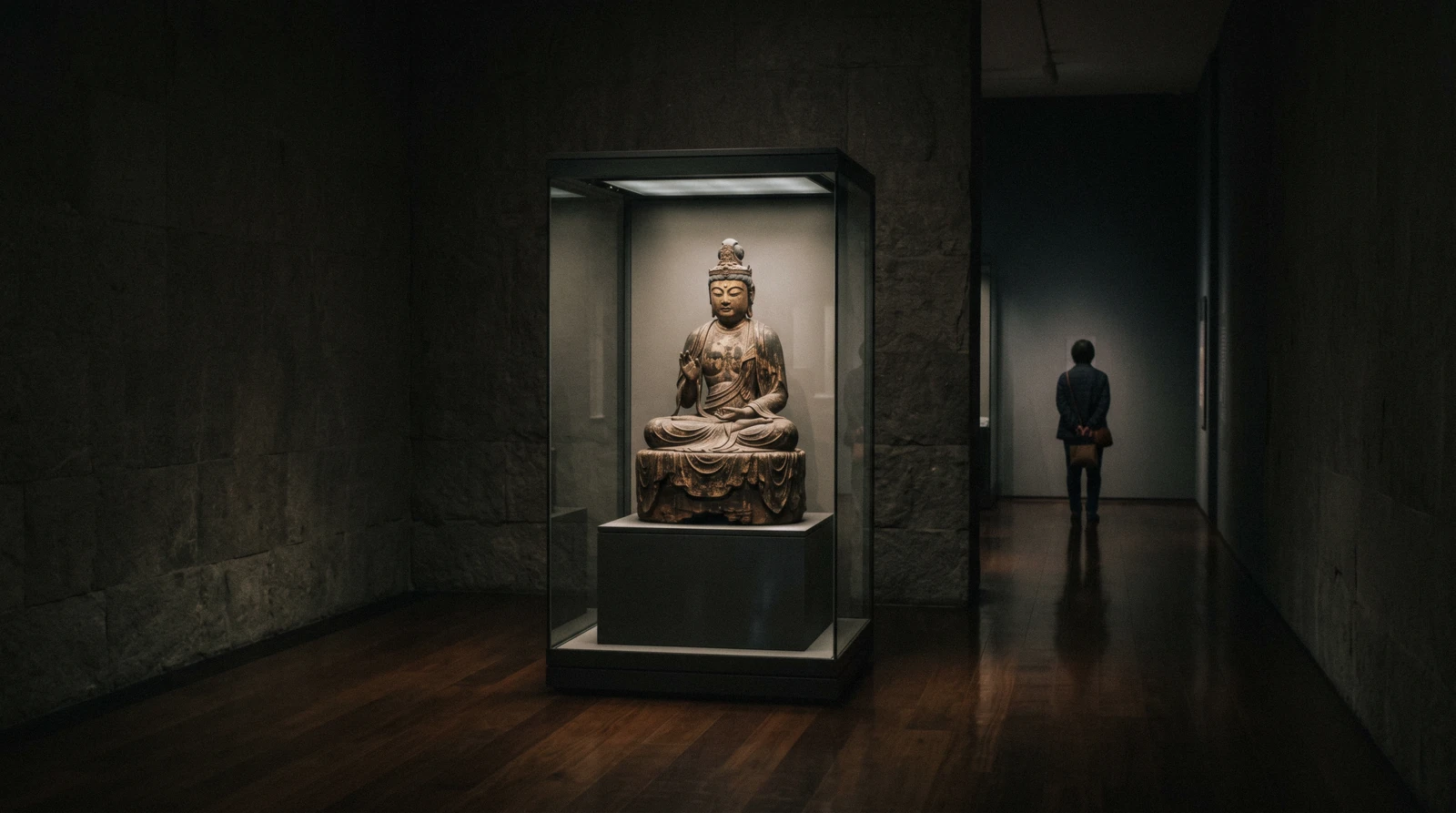
Kyoto Museums
Kyoto museums are a small, specific and slightly odd set: a national museum of Buddhist art opposite a hall of a thousand statues, a manga library in a converted primary school, a railway museum with a working roundhouse, and a modern-art gallery in a 1933 municipal building. They are also the half of the city that closes on Mondays — the opposite of the temples, which almost never do. This page sorts what is worth a wet afternoon. The temples are on their own page, the whole sight list on things to do, and the city itself on the best places to visit in Kyoto homepage.
Quick answer Which four, what they cost, and the Monday rule — in four lines
The four worth planning for are the Kyoto National Museum opposite Sanjusangen-do, the Kyoto International Manga Museum downtown at $7.50 (¥1,200), the Kyoto Railway Museum near To-ji, and the Kyocera Museum of Art beside Heian Jingu. Most close on Mondays. The Manga Museum's prices are its own.
Key takeaways
- Mondays are the trap: the museums and the Imperial Palace close while every temple stays open — the full closure table
- The National Museum is directly opposite Sanjusangen-do, which makes the pair the best wet-weather afternoon in the city
- The Manga Museum is a working library of about 300,000 volumes in a 1929 school building — you read rather than look
- A subway day pass discounts several of them, including the Manga Museum at the group rate
The museums worth your time
Prices and hours are each museum's own where we have read them, converted at ¥160 = $1. Where a museum prices by exhibition we say so rather than quote a figure.
| Museum | What it is | Adult | Closed | Where |
|---|---|---|---|---|
| Kyoto National Museum | Buddhist sculpture, painting, ceramics; major loan exhibitions | By exhibition | Mondays | Opposite Sanjusangen-do |
| Kyoto International Manga Museum | About 300,000 volumes in a 1929 school; read anything on the shelves | $7.50 (¥1,200) | Per its own calendar | Karasuma-Oike, downtown |
| Kyoto Railway Museum | 53 locomotives, a working roundhouse, a steam ride | By its own tariff | Wednesdays, per its calendar | Umekoji, near To-ji |
| Kyocera Museum of Art | Modern and contemporary Japanese art in a 1933 building | By exhibition | Mondays | Okazaki, beside Heian Jingu |
| National Museum of Modern Art | Craft and modern art; strong ceramics | By exhibition | Mondays | Okazaki, across the road |
| To-ji treasure hall | Temple treasures, shown only in season | Part of the combined ticket | Outside the exhibition windows | Near Kyoto Station |
| Tenryu-ji and temple collections | Screens, scrolls and sculpture in situ | With temple entry | Per temple | Across the city |
Two we deliberately do not price: the National Museum and the Kyocera set their admission by exhibition, and quoting a standing figure for either would be wrong within a month. Both publish current prices on their own sites, and both are ten minutes from a subway station.
What each one is actually like
Four buildings, four completely different propositions.
The Kyoto National Museum holds the city's Buddhist art at museum distance rather than in situ — sculpture you can walk around, screens at eye level, and the loan exhibitions that bring temple treasures out of storage. Its position is the argument for it: directly opposite Sanjusangen-do, so a wet afternoon becomes 1,001 statues in a hall followed by the context for them across the road.
The Manga Museum is a library that behaves like a museum. About 300,000 volumes line the corridors of a 1929 elementary school, and the ticket buys you the right to take any of them off the shelf and read it — on the stairs, in the corridor, on the lawn. Perhaps 5,000 are in translation. It costs $7.50 (¥1,200), and people stay for hours.
The Railway Museum at Umekoji is the largest of its kind in Japan: fifty-three locomotives including a row of steam engines in a preserved roundhouse, a working turntable, and a short steam-hauled ride. It is unambiguously the best thing in Kyoto for a child having a bad day at the tenth temple.
The Kyocera Museum of Art is worth a look for the building alone — a 1933 municipal hall in the "imperial crown" style, given a glass entrance court in a 2020 renovation — and holds modern and contemporary Japanese work, with Heian Jingu's torii across the road.
The wet-afternoon plan
Kyoto averages 205 mm of rain in June and 245 mm in July, so this is not hypothetical.
The strongest indoor sequence in the city runs south to north and needs no bus: Sanjusangen-do at $3.75 (¥600), the Kyoto National Museum across the road, then the Keihan line four stops to Okazaki for the Kyocera Museum and the National Museum of Modern Art facing each other across one square.
The alternative, if the day is with children: the Railway Museum at Umekoji, fifteen minutes from Kyoto Station, and Kyoto Tower afterwards for the view over the wet city.
And the caveat that catches people out: do not plan this on a Monday, when the National Museum, the Kyocera and the modern-art museum all close. On a Monday the temples are the wet-weather answer — Nijo Castle's Ninomaru Palace is the only major interior in Kyoto with a roof over the whole visit.
- Gardens are better in rain, not worse — the gardens page makes the case for June
- A cooking class or tea ceremony is the other reliable indoor half-day
- Kyoto Station itself has a department store, a ramen floor and a rooftop that is worth twenty minutes
- The closures page lists what shuts on which day, including the Tuesdays and third Mondays
Indoor experiences, whatever the weather
Workshops and tastings are the other answer to a wet Kyoto afternoon. Prices are the platform's listings in USD.
 from $87.45
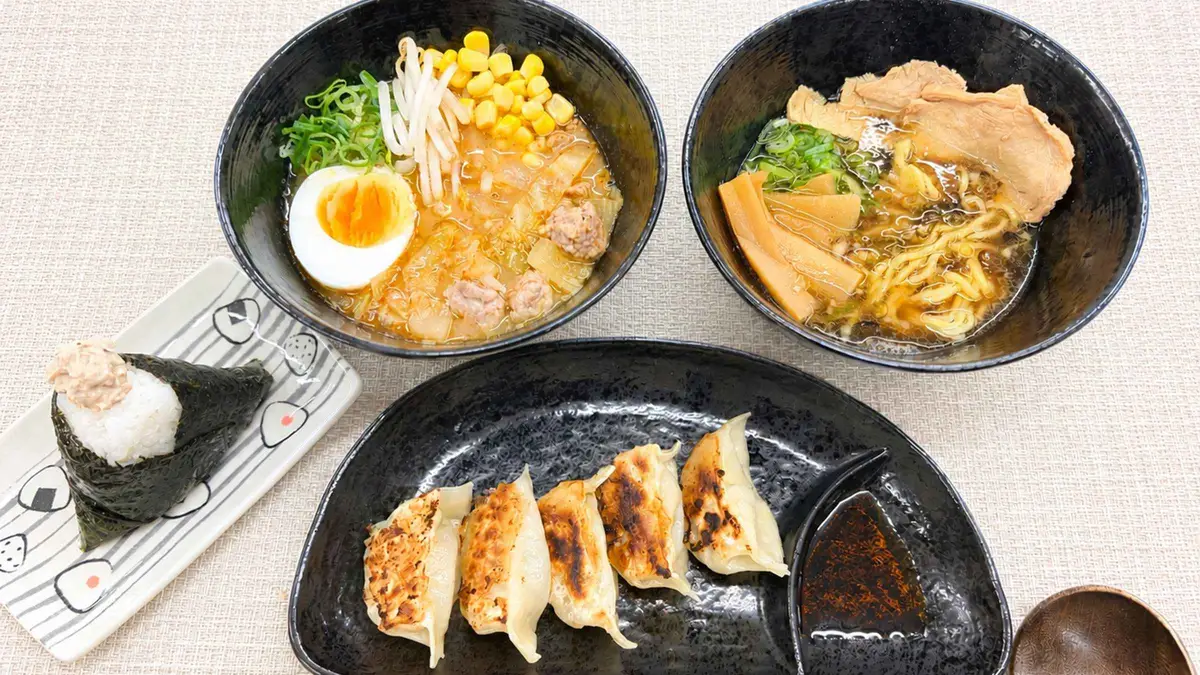
Kyoto: Ramen, Gyoza, and Onigiri Cooking Class
Ninety minutes making soy-sauce and miso ramen from scratch, plus gyoza folding and onigiri, then eating what you made. Ingredients, equipment and English instruction included.
Check Availability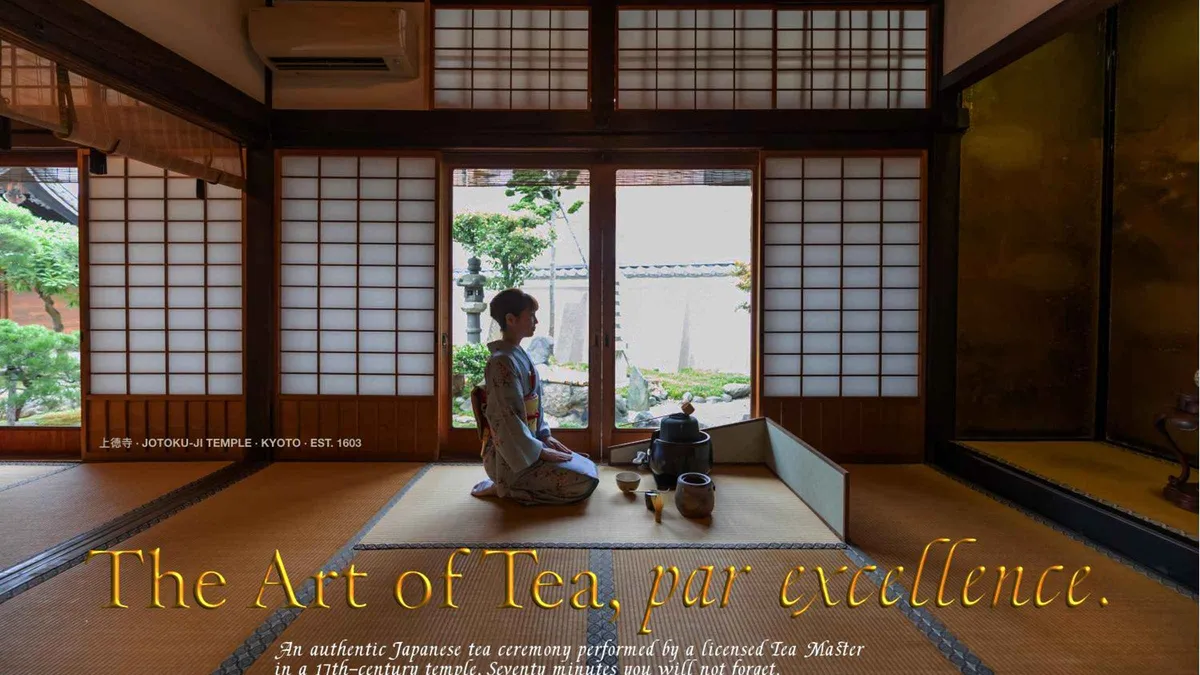 from $28.11
Kyoto: Tea Ceremony Ju-An at Jotokuji Temple
Seventy minutes of the real chanoyu ritual inside Jotokuji Temple, with the meaning of each movement explained. The most-reviewed tea ceremony in the city and among the cheapest.
Check Availability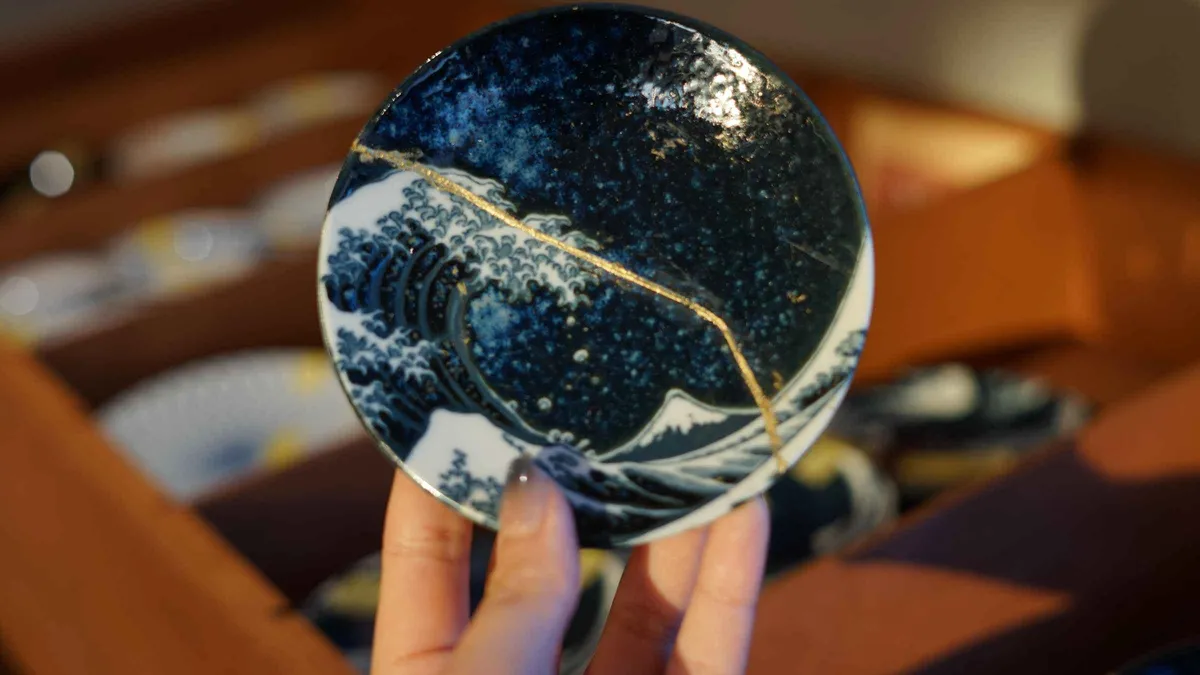 from $7.81
Kyoto: Kintsugi (Gold Repair) Workshop in Gion
Kintsugi in an hour: repair a ceramic plate with gold-dusted lacquer and take it home. Materials, tools and the plate are included.
Check Availability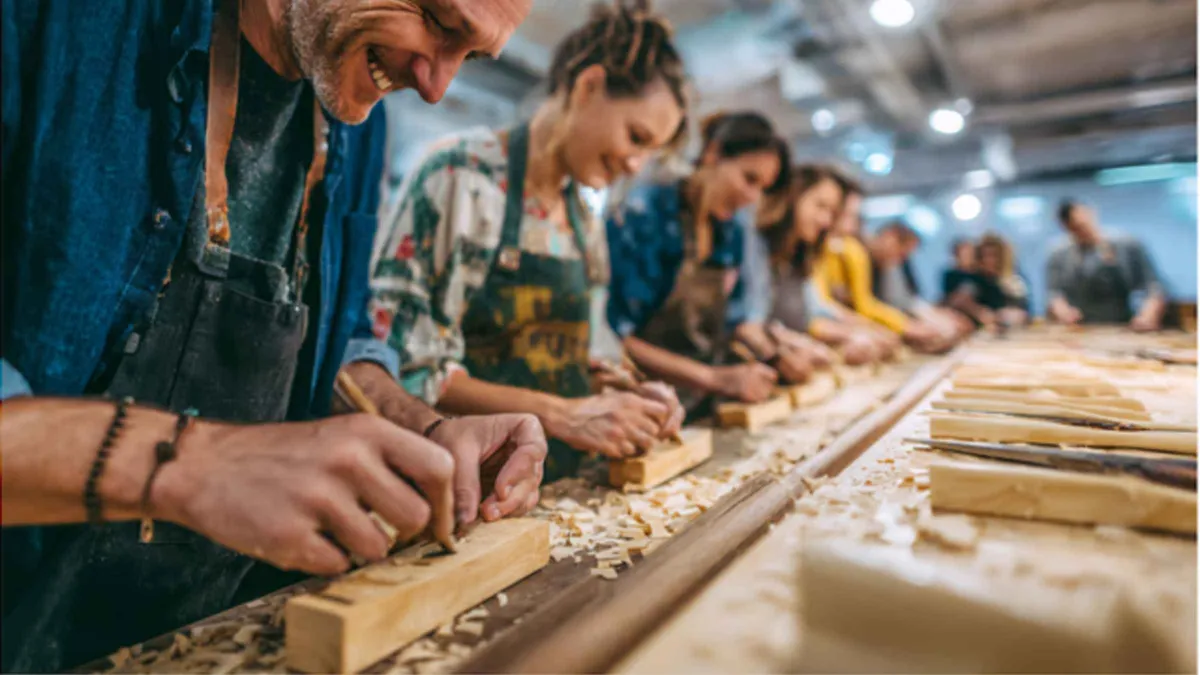 from $6.25
Kyoto: Gion Chopsticks Making Class with Engraving Option
Half an hour in a Gion workshop shaping your own pair of chopsticks from raw wood, with an engraving option. Under ten dollars, and the most-reviewed workshop in the city.
Check Availability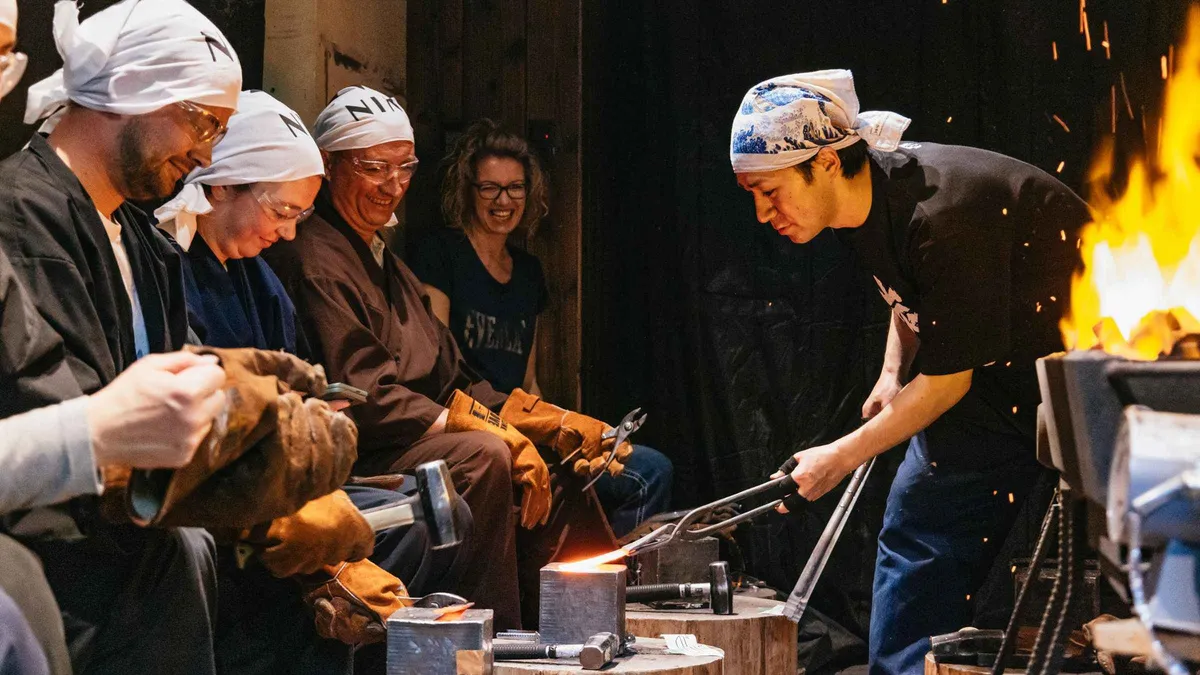 from $149.92
Authentic knife-making experience at a blacksmith in Kyoto
Three hours at a working blacksmith forging a knife by the traditional method, with the tools explained before you touch them. The most expensive workshop here and the most substantial.
Check Availability from $84.33
Kyoto: Insider Sake Brewery Tour with Sake and Food Pairing
Three hours with a certified sake sommelier: a brewery visit and more than ten sakes tasted against traditional otsumami. Fushimi has brewed here for four centuries.
Check AvailabilityPrices, ratings and details are the platform's own. Dollar figures are the listed prices. The platform bills in your account's currency.
Kyoto's museums, mapped
The four worth planning around, and the temple each one pairs with.
Where to go next
Three pages that follow from a museum afternoon.
What closes when
The museums close on Mondays and the temples do not — the full table, with the Tuesdays and third Mondays too.
The closuresSanjusangen-do
1,001 gilded Kannon in a 120-metre hall, and the other half of the best wet afternoon in Kyoto.
Across the roadKyoto with rain
How much it actually rains, month by month, from a 30-year climate record.
The weatherKyoto museums: the questions
Which museums are worth visiting in Kyoto?
The Kyoto National Museum opposite Sanjusangen-do for Buddhist art, the Manga Museum downtown if you would rather read than look, the Railway Museum at Umekoji with children, and the Kyocera Museum of Art for the building as much as the collection. The table sets out what each charges.
Are Kyoto museums closed on Mondays?
Most of them, yes — the National Museum, the Kyocera and the modern-art museum all close on Mondays, moving to the following day when the Monday is a public holiday. That is the reverse of the temples, which almost never close. The closures page has the full picture.
How much is the Kyoto Manga Museum?
$7.50 (¥1,200) for adults, $2.50 (¥400) for junior and senior high pupils and $1.25 (¥200) for elementary pupils, with group rates from 20 people. Figures are from the museum's own site. The ticket lets you take any of about 300,000 volumes off the shelves and read it.
What is there to do in Kyoto when it rains?
Sanjusangen-do and the National Museum opposite it, the museums at Okazaki, the Railway Museum with children, or Nijo Castle's palace interior — the one major sight in the city entirely under a roof. Gardens are better in rain, not worse.
Is the Kyoto Railway Museum worth it?
If you are travelling with children or care about trains, it is the best few hours in the city for that purpose — fifty-three locomotives, a preserved roundhouse with a working turntable, and a short steam-hauled ride. It is fifteen minutes from Kyoto Station, near To-ji.
Do Kyoto museums need advance tickets?
The standing collections do not. Major loan exhibitions at the Kyoto National Museum sometimes sell timed entry, which is worth checking on its own site in the week you travel — that is the only museum ticket in Kyoto that ever runs out.
Kyoto museums on film: what is inside the ones worth a wet afternoon
Three videos we checked ourselves — each id verified against YouTube's own oEmbed record and its thumbnail on 30 August 2026, so none of these is a dead player. They load only when you press play.
Kyoto: City of Art (Part 1) - Visiting museums and zen meditation
Filmed on site, at the pace a visitor would move.
Video: Japan Guide38 Tips I Wish I Knew Before Visiting Kyoto, Japan
A guided run through what to see and in what order.
Video: Camden DavidKyoto: City of Art (Part 2) - Exploring architecture, museums and cafes
Filmed on site, at the pace a visitor would move.
Video: Japan GuideVideos load from YouTube only when you press play.
Prices, hours and terms are set by the venue or operator and confirmed at checkout.
We may earn a commission if you book through one of our links, at no extra cost to you. Full affiliate disclosure