 Kyoto City Guide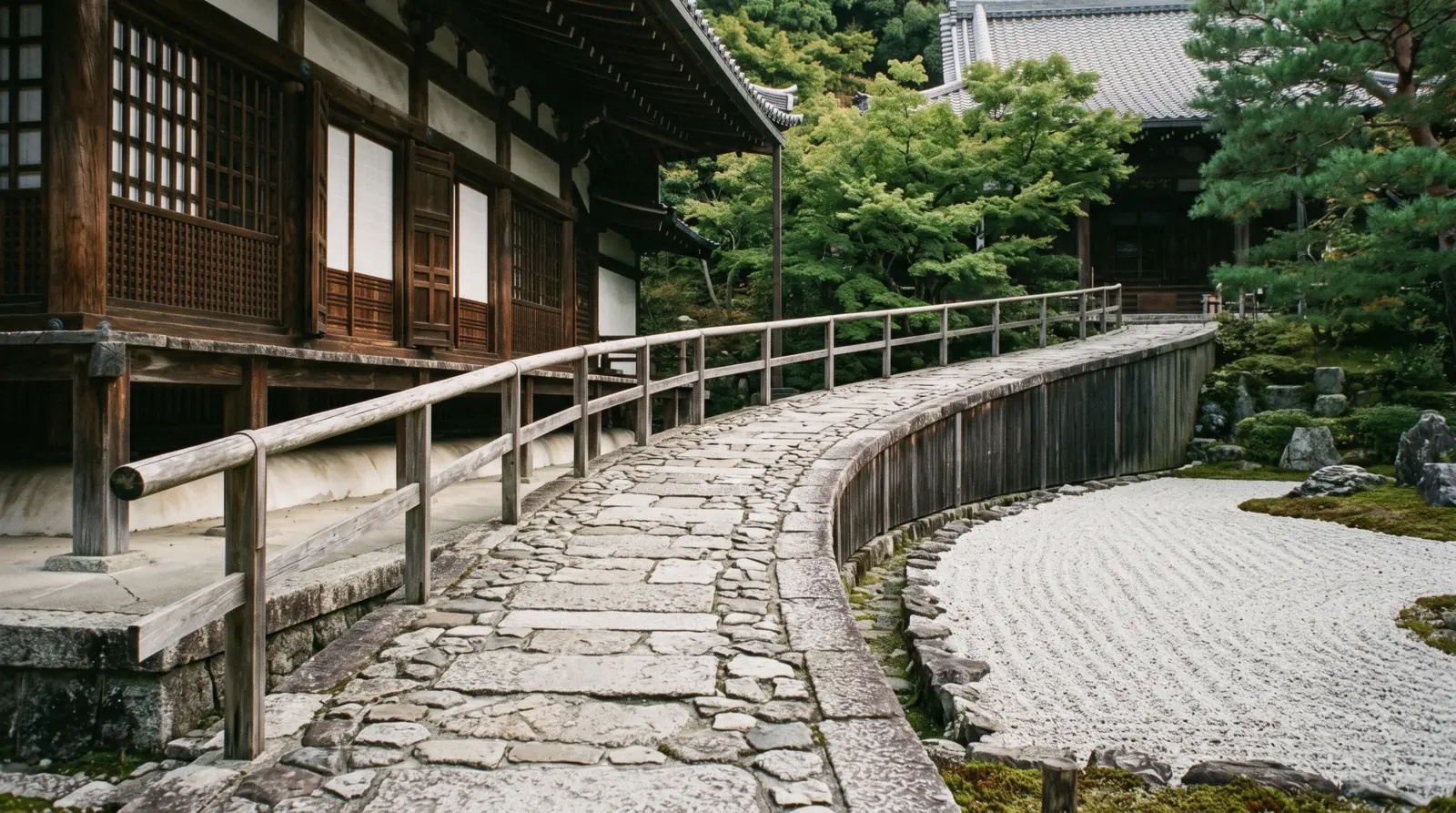
Accessible Kyoto
Kyoto accessibility is genuinely mixed, and the honest summary is that the city is easier than its reputation on transport and harder than it looks on the ground. The stations are excellent, the buses kneel, and several major sights publish detailed provision — while the lanes people come to walk are stone, stepped and steep, and a good many temple halls are reached by a flight of wooden stairs. This page sets out what each venue actually states, what it charges holders of a disability certificate, and where the flat routes are. The rest of the practical layer is on the plan hub, and the city's Kyoto attractions elsewhere on this site.
Quick answer What works, what does not, what it costs — in four lines
Kyoto's stations and subway are step-free with staff assistance, and city buses kneel and carry ramps. Among the sights, Sanjusangen-do publishes the fullest provision — accessible parking, loan wheelchairs, ramps on the visiting route and accessible toilets — while the Higashiyama lanes, Kiyomizu-dera's approach and most temple halls involve steps.
Key takeaways
- The disability discount is real and widely offered: Ginkaku-ji charges $0.63 (¥100), Kiyomizu-dera waives the fee for the holder and one carer, Sanjusangen-do halves it
- The flat sights are Sanjusangen-do, To-ji, Nijo Castle's grounds, the Imperial Palace and Nishiki Market
- The hard ones are Kiyomizu-dera and the lanes below it, Kodai-ji, the Fushimi Inari mountain path and Kurama
- A private car with a guide removes the transport problem entirely, which for some visitors is the whole difficulty
How each major sight actually works
Based on what each venue publishes on its own site and our own observation of the routes, on 30 August 2026. "Step-free" here means the main visiting route, not every corner of the site.
| Sight | Ground | Step-free? | What the venue states |
|---|---|---|---|
| Sanjusangen-do | Flat | Yes, on the visiting route | Two accessible parking spaces, loan wheelchairs, ramps, accessible toilets with nappy-change and ostomate facilities |
| To-ji | Flat gravel | Largely | Grounds level; hall thresholds are the limiting factor |
| Nijo Castle grounds | Flat gravel | Grounds yes | Ninomaru Palace is shoes-off with steps and polished floors |
| Kyoto Imperial Palace | Flat gravel | Yes | Free entry; the route is a level circuit of courtyards |
| Nishiki Market | Flat, narrow | Yes, but tight | 390 m of covered arcade; crowded from midday |
| Kinkaku-ji | Gravel, one slope | Mostly | One short slope near the tea house; otherwise a level circuit |
| Tenryu-ji | Gravel and paths | Garden largely; halls no | The halls are shoes-off with steps |
| Ginkaku-ji | Gravel, then a hill path | Lower garden only | The hill viewpoint is a stepped climb; $0.63 (¥100) with a certificate |
| Kiyomizu-dera | Steep approach, stepped | No | Free for a certificate holder and one carer; the approach lanes are the obstacle |
| Kodai-ji | Steps throughout | No | The entrance itself is up a flight from the lane |
| Fushimi Inari | Level at the base, then stone steps | Main hall area only | The mountain path is stairs; the lower shrine is reachable |
| Kurama and Kibune | Mountain path | No | The funicular helps to the halls; the ridge walk does not |
The pattern: the flat sights cluster in the south and the centre, and the stepped ones on the eastern hillside. A day built around Sanjusangen-do, To-ji, Nijo Castle and the Imperial Palace is both step-free and genuinely good — which is not a consolation itinerary.
What each venue charges with a disability certificate
Published by each venue on its own site, converted at ¥160 = $1. Bring the physical certificate; a photograph is not usually accepted.
| Venue | Standard adult | With a certificate | Companion |
|---|---|---|---|
| Kiyomizu-dera | Not published | Free | One carer free |
| Sanjusangen-do | $3.75 (¥600) | Half price | One adult companion, half price |
| Ginkaku-ji | $6.25 (¥1,000) | $0.63 (¥100) | Not stated |
| Tenryu-ji | $3.13 (¥500) | $0.63 (¥100) off | One carer, same reduction |
| Kyoto Tower | $5.63 (¥900) | $2.81 (¥450) | One companion, same rate |
Several venues also admit qualified carers — nurses, care workers — free of charge; Sanjusangen-do publishes that explicitly. Where a venue states nothing, ask at the window: the answer is usually yes.
The transport, which is the good news
Japan's public transport is among the most accessible in the world, and Kyoto's is no exception.
The subway is step-free at every station, with lifts, tactile paving and staff who will meet you at the barrier and see you onto the train — the standard practice is to tell staff at your origin station where you are going, and someone will be waiting at the other end with a ramp. It costs nothing and needs no notice, though a few minutes' warning helps.
City buses are low-floor with deployable ramps and a designated space, and drivers deploy them as a matter of routine. The difficulty is crowding rather than equipment: at peak times a bus on the eastern routes may simply be too full.
JR and the private railways work the same way as the subway, with staff assistance arranged at the gate. Kyoto Station itself is large, modern and thoroughly step-free, with accessible toilets on every level.
Taxis are numerous, and a proportion of the fleet is now wheelchair-accessible — ask your hotel to call one rather than hailing. For a full day, a private vehicle with a guide is the option that removes every transfer at once.
Options that remove the walking
A private vehicle is the single most effective accessibility purchase in Kyoto. Prices are the platform's listings in USD.
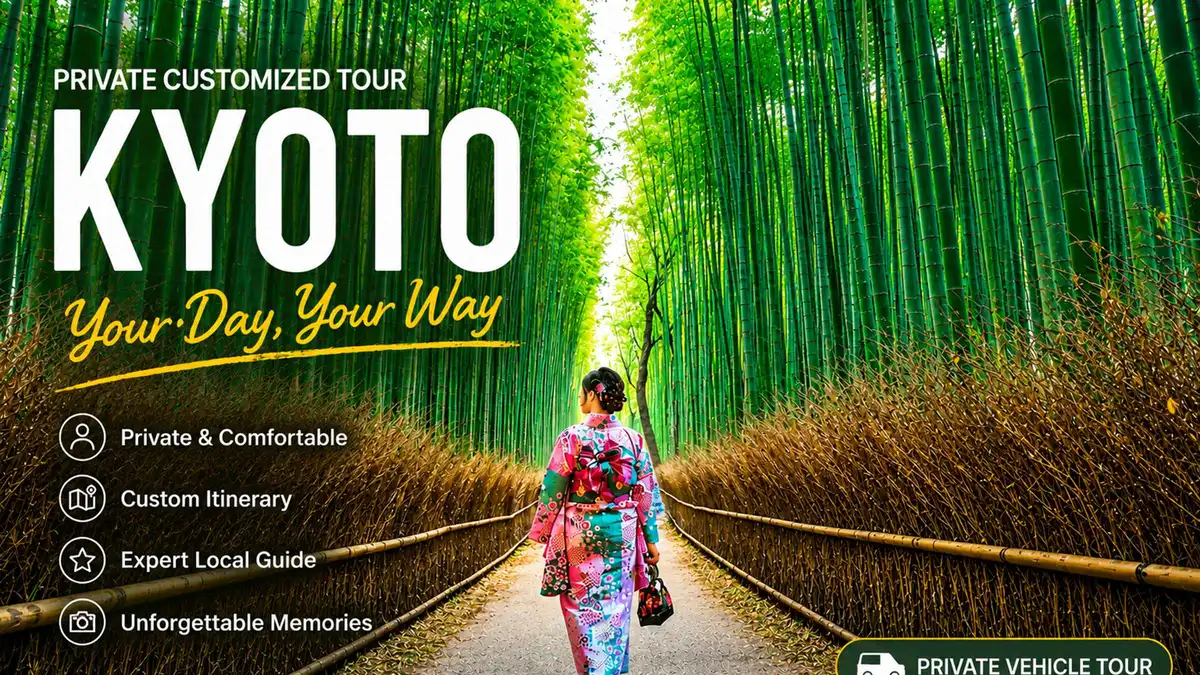 from $317.02
Kyoto: Private Customizable Day Tour with Guide and Vehicle
A private guide and a vehicle for the day, with hotel pickup — the answer for anyone travelling with mobility limits, small children or a very full list.
Check Availability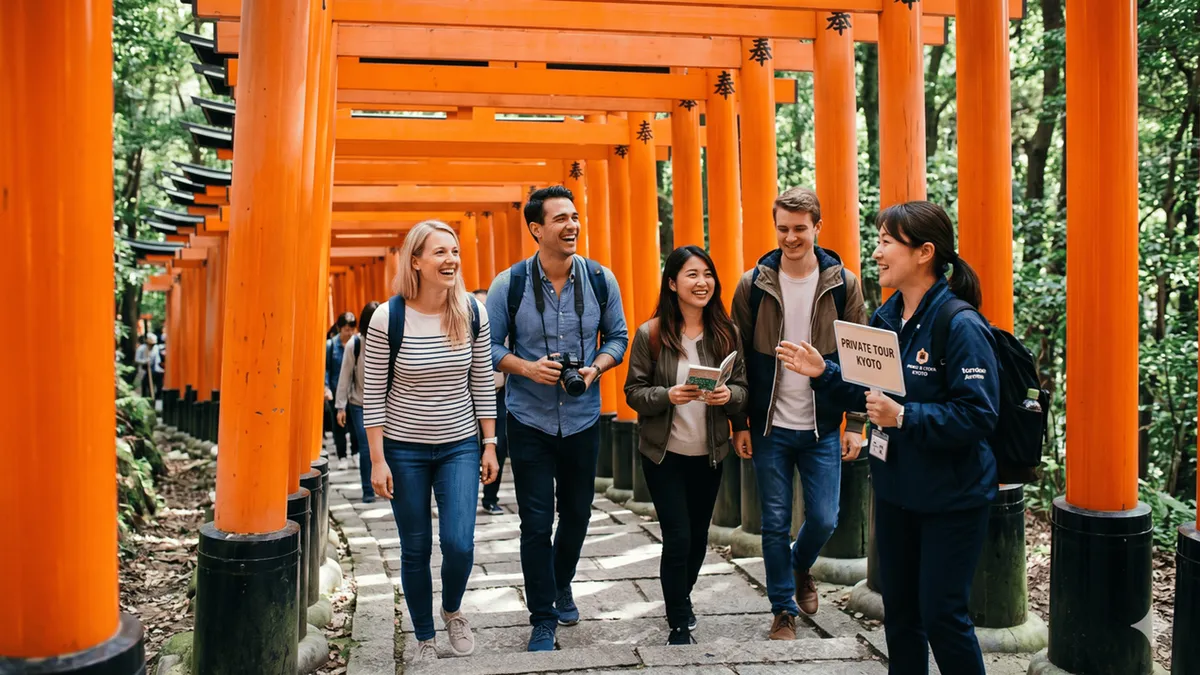 from $206.14
Kyoto Customized Private Tour in 1 Day with Licensed Guide
A nationally licensed guide for four, six or eight hours, with the route built around what you want to see. Walking and public transport, so it costs less than the vehicle option.
Check Availability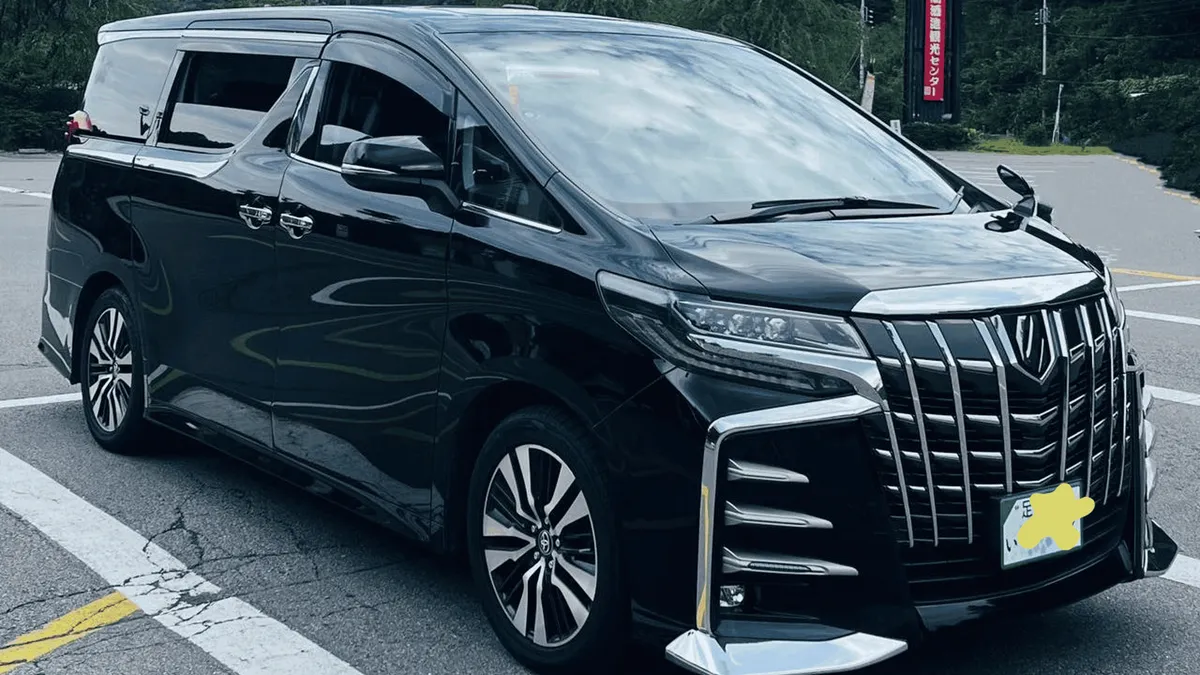 from $153.04
Kansai Intl. Airport KIX Private Transfer to/from Kyoto
A private car from Kansai Airport to a Kyoto address for one to nine people, with 90 minutes of free waiting on arrival. The alternative is the Haruka train and a taxi at the far end.
Check Availability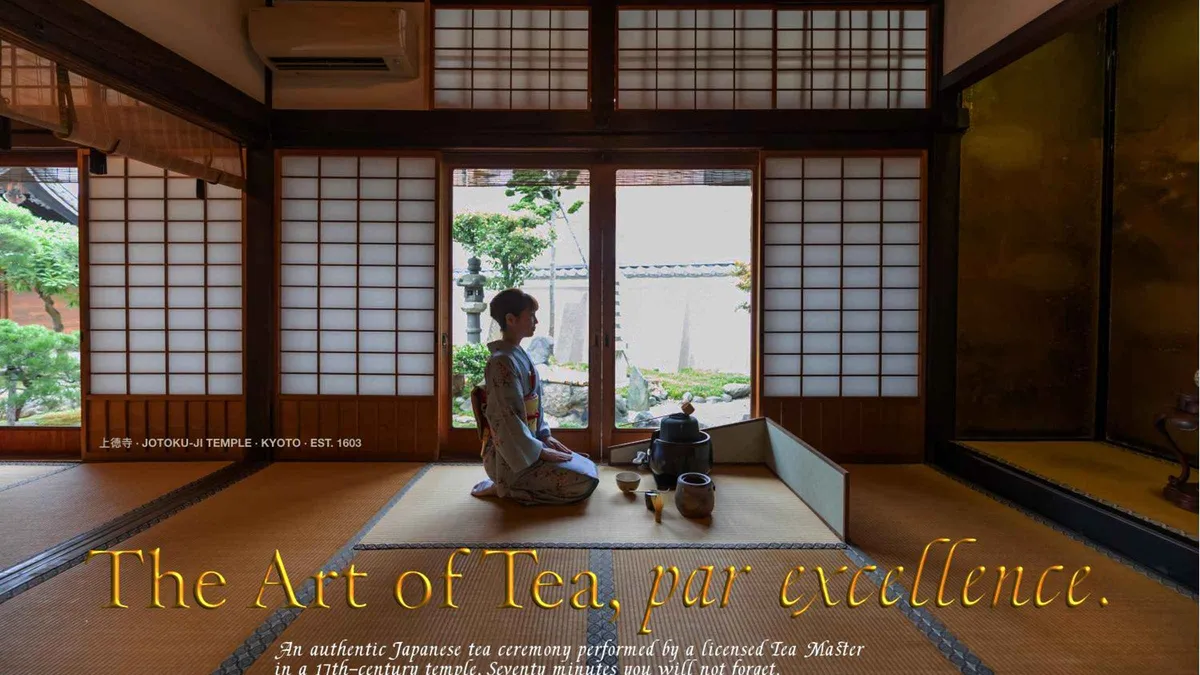 from $28.11
Kyoto: Tea Ceremony Ju-An at Jotokuji Temple
Seventy minutes of the real chanoyu ritual inside Jotokuji Temple, with the meaning of each movement explained. The most-reviewed tea ceremony in the city and among the cheapest.
Check AvailabilityPrices, ratings and details are the platform's own. Dollar figures are the listed prices. The platform bills in your account's currency.
Practical notes for a Kyoto trip
Six things that come up repeatedly and are not obvious from a distance.
- Shoes off means a step up. Halls that require shoe removal — Sanjusangen-do, Nijo Castle's Ninomaru, most abbot's quarters — have a raised threshold and often a polished wooden floor.
- Gravel is the default surface. Temple grounds are raked gravel, which is manageable in a wheelchair with a companion and hard work alone.
- Accessible rooms are scarce and small. Japanese hotel rooms are compact; ask for the room dimensions in square metres and the door width in centimetres, both of which properties publish on request.
- Ryokan are usually not adapted. Tatami, futons on the floor, a step at the entrance and often no lift. A modern hotel is the practical choice — where to stay sets out the districts.
- Accessible toilets are common in stations, department stores and larger temples, and are usually marked with a wheelchair pictogram; convenience stores rarely have them.
- Bring the certificate. Discounts are given on production of the physical document, and staff are used to foreign ones.
Where to go next
Three pages that build on this one.
Sanjusangen-do
Flat, ramped, with loan wheelchairs and accessible toilets — and the bus stop is outside the wall.
The most accessible sightGetting around Kyoto
The subway, the kneeling buses, the passes and when a taxi is the better answer.
TransportWhere to stay in Kyoto
Four districts compared, and why a modern hotel beats a machiya inn for step-free access.
The roomAccessible Kyoto: the questions
Is Kyoto wheelchair accessible?
The transport largely is — step-free subway stations with staff assistance, low-floor buses with ramps, a modern main station. The sights vary enormously: Sanjusangen-do, To-ji and the Imperial Palace work well, while Kiyomizu-dera and the Higashiyama lanes are steep and stepped.
Which of the big sights are step-free?
Sanjusangen-do publishes the fullest provision, with ramps on the visiting route, loan wheelchairs and accessible toilets. To-ji's grounds and Nijo Castle's outer areas are level, as is the Imperial Palace. The table covers each of the major sights.
Is there a disability discount at the gate?
Most do. Kiyomizu-dera admits a certificate holder and one carer free, Sanjusangen-do charges half price for both, Ginkaku-ji charges $0.63 (¥100) and Kyoto Tower $2.81 (¥450). Bring the physical certificate. The discount table.
Can you use the Kyoto subway with a wheelchair?
Yes. Every station is step-free with lifts and tactile paving, and staff will meet you at the barrier, put out a ramp and arrange for someone to be waiting at your destination. Tell staff where you are going; there is no charge and no formal notice period.
Can you see the torii shrine with limited mobility?
The main shrine buildings at the base are reachable on level ground from the station, which is directly opposite. The famous torii path is stone steps almost immediately and the mountain loop is stairs throughout — so you can see the shrine and the first gates, but not the climb.
Are traditional inns accessible?
Usually not. Tatami floors, futons laid on the floor, a raised entrance step and frequently no lift are the norm, and machiya inns are worse. A modern hotel — most easily near the station or downtown — is the practical choice; the where-to-stay page compares the districts.
Prices, hours and terms are set by the venue or operator and confirmed at checkout.
We may earn a commission if you book through one of our links, at no extra cost to you. Full affiliate disclosure