 Kyoto City Guide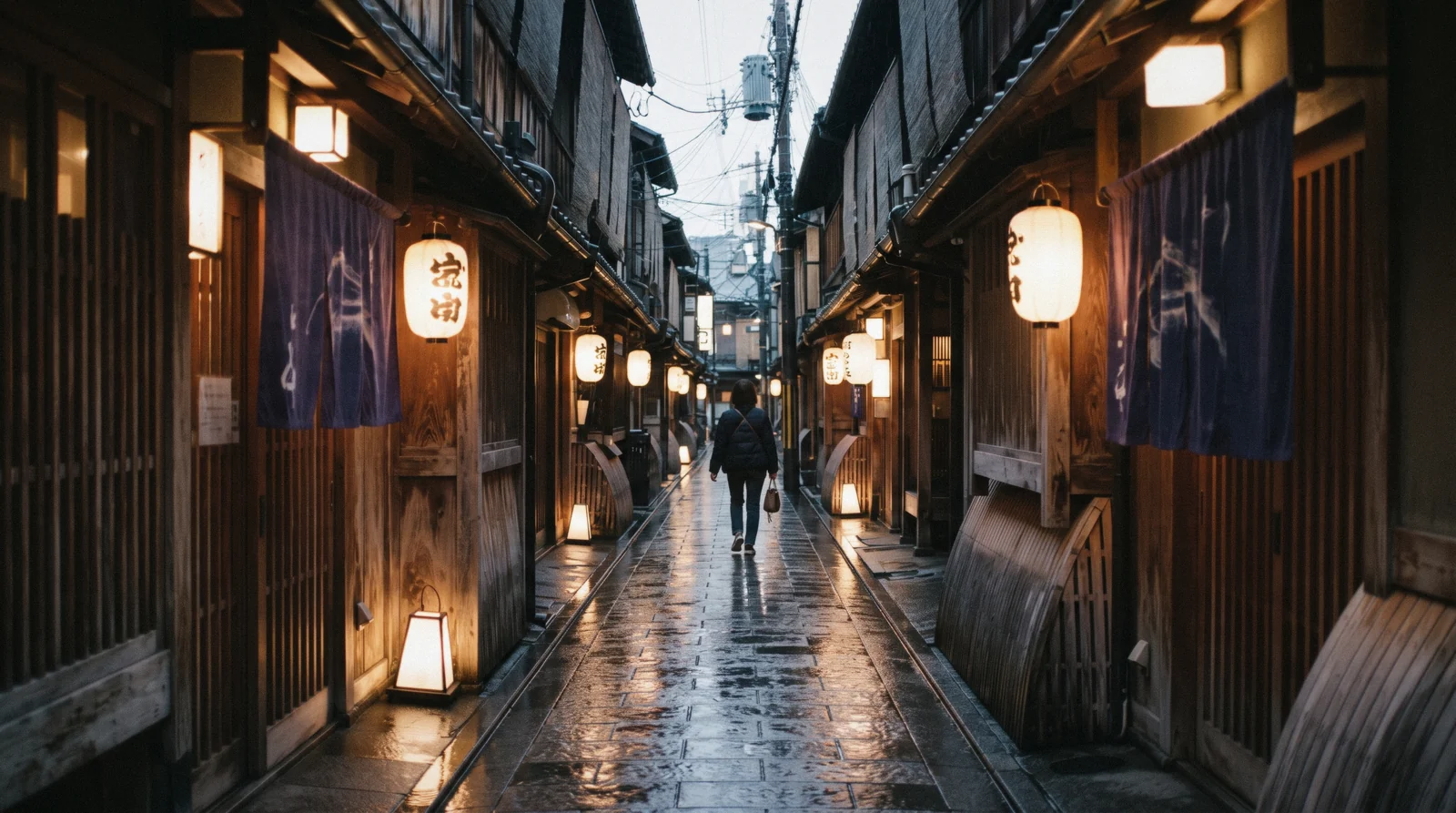
Where to Eat in Kyoto
Where to eat in Kyoto splits along a line most visitors do not see until they are standing on the wrong side of it: the famous restaurants take reservations months ahead and price dinner in the hundreds, while the same kitchens, the market counters and the department-store food halls feed you extremely well at lunch for under fifteen dollars. This page sets out the districts, the prices, the reservation rules and what Kyoto's own cooking actually is. The rest of the practical layer is on the plan hub, and for general orientation see what to do in Kyoto.
Quick answer Districts, prices, and the lunch trick — in four lines
Downtown — Pontocho, Kiyamachi, Nishiki and the department-store basements — is where most visitors should eat. Lunch runs $5–12 (¥800–2,000), an ordinary dinner $18–37 (¥3,000–6,000), and kaiseki at the famous houses starts around $125 (¥20,000) and books months ahead. The same kaiseki kitchens often serve lunch at a third of the evening price.
Key takeaways
- Kyoto's own cooking is vegetables, tofu, freshwater fish and pickles — a landlocked cuisine, and the reason Nishiki Market sells what it does
- The reservation problem is real only at the top: a table in Pontocho before 18:00 is genuinely available most nights
- The depachika food halls under the Shijo department stores are the best-value serious food in the city and almost no visitor uses them
- Vegetarians and vegans should read the dietary page first — dashi is in almost everything that is not temple cuisine
The eating districts, and what each is for
Price bands are what we see on menus and set-lunch boards, converted at ¥160 = $1. They are per person before drinks.
| District | What it is | Lunch | Dinner | Reservations |
|---|---|---|---|---|
| Pontocho | A two-metre alley of restaurants along the Kamo | $12–25 (¥2,000–4,000) | $25–75 (¥4,000–12,000) | Walk in before 18:00; book after |
| Kiyamachi and Kawaramachi | The wider grid behind it — izakaya, ramen, standing bars | $7–15 (¥1,100–2,400) | $18–37 (¥3,000–6,000) | Rarely needed |
| Nishiki Market | 390 metres of counters and stalls | $5–15 (¥800–2,400) | Mostly closed by 18:00 | None |
| Depachika, under the Shijo stores | Department-store food halls | $6–15 (¥1,000–2,400) | Closes with the store | None |
| Gion and Hanamikoji | Kaiseki houses, ochaya, high-end sushi | $60–90 (¥10,000–15,000) | $125+ (¥20,000+) | Two to three months |
| Arashiyama | Tofu, yuba and temple cuisine by the river | $18–37 (¥3,000–6,000) | Village hours — most close by 20:00 | Advisable at weekends |
| Kyoto Station | Ramen street, department-store floors, bento | $7–18 (¥1,100–3,000) | Same | None |
The pattern worth acting on: the price gap between lunch and dinner in Kyoto is wider than in almost any other Japanese city, because the kaiseki houses use lunch to fill the room. If eating well matters and the budget does not stretch, eat the big meal at midday.
What Kyoto cooking actually is
A landlocked city's food, built before refrigeration and refined by a court, a tea culture and several hundred temples.
Kyoto sits in a basin fifty kilometres from the sea, which shaped everything. Fresh sea fish arrived salted or not at all, so the city built its cooking on vegetables — the heirloom kyo-yasai varieties, still grown and still named on menus — on tofu and yuba, on freshwater fish from the lake and the rivers, and on pickles, which were the technology that made a winter survivable.
Three formats express it:
Obanzai is the home cooking: small dishes of simmered and dressed vegetables, served several at a time, and the thing to look for on a lunch board. Shojin ryori is Buddhist temple cuisine — genuinely vegan by construction, no meat, no fish, no bonito dashi — and Tenryu-ji runs one of the best-known restaurants for it inside its own grounds. Kaiseki is the formal multi-course meal that grew out of the tea ceremony, and it is the city's culinary summit and its most expensive proposition.
Also specific to here: hamo, pike conger, eaten in summer and prepared with a knife technique that cuts its bones a thousand times to the inch; yudofu, tofu simmered at the table, a temple dish that became a Nanzen-ji-area speciality; and matcha in everything, which is Uji's doing rather than Kyoto's. Once the meals are chosen, the next step is to settle where to stay in Kyoto, since being close to the neighbourhoods that cook the way you want shapes every evening.
How reservations actually work
Four tiers, and only the top one is difficult.
Tier one — the famous kaiseki houses. Two to three months ahead, often through your hotel concierge, and several take no first-time foreign bookings at all without an introduction. This is a real barrier and not a language problem.
Tier two — good mid-range restaurants. A week ahead, or the same day through a booking app. Many will take a phone call in English; more will not, which is what a concierge is for.
Tier three — izakaya, ramen, teishoku counters. Walk in. Before 18:00 you will nearly always be seated; between 19:00 and 21:00 you may queue.
Tier four — the market, the depachika, the standing bars. No reservations exist and none are needed.
Two local conventions worth knowing: many small places charge a otoshi seating fee of a few hundred yen that arrives as a small dish you did not order, and splitting a bill is often awkward — one person pays and the group settles afterwards.
- Ask the hotel to book anything above about $60 (¥10,000) a head
- Lunch service at a kaiseki house is the same kitchen at a third of the price
- Cash is still king at older counters; the tickets page covers how payment works generally
- Tipping does not exist and attempts at it cause genuine confusion
Guided eating, compared
Food tours in Kyoto solve a real problem — the good places are unmarked and the menus are Japanese. Prices are the platform's listings in USD.
 from $69.96
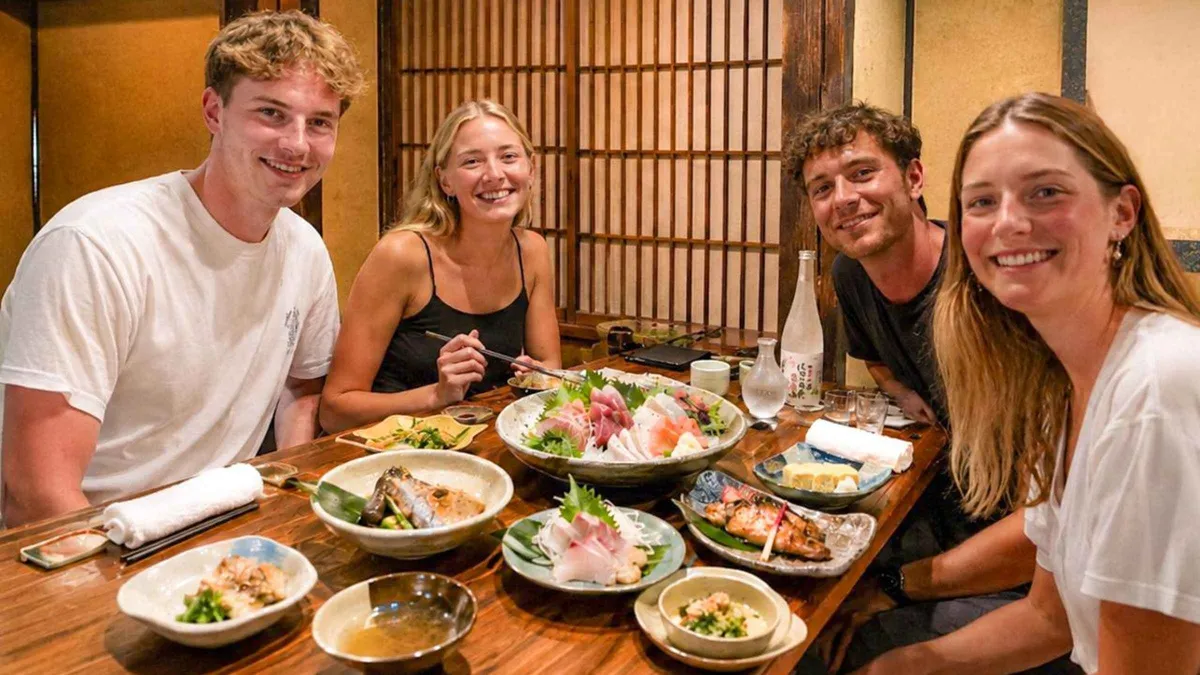
Kyoto: Gion & Pontocho Food Tour with 13 Dishes
Thirteen dishes across a restaurant and an izakaya in Gion and Pontocho, with two drinks and a local guide. Three hours, small group, and it solves the first evening's no-reservation problem.
Check Availability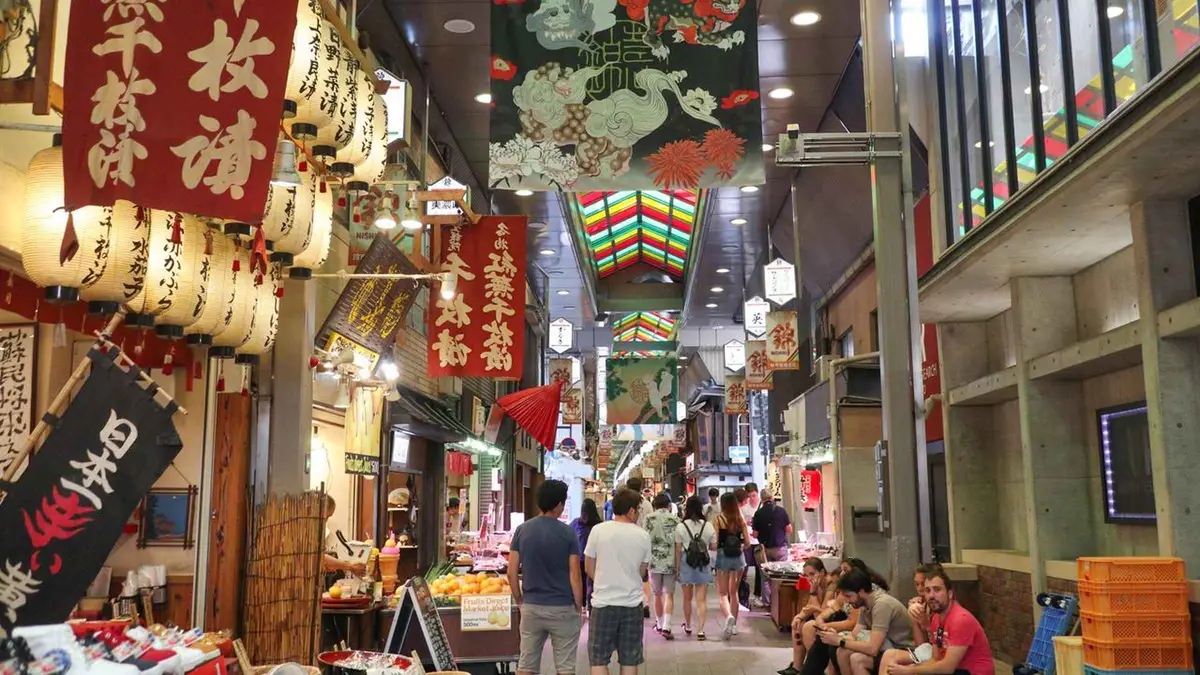 from $57.91
Kyoto: Nishiki Market Brunch Walking Tour: 7 Tastings and Brunch
A morning walk through Gion into Nishiki Market with seven tastings and a sit-down brunch. The market is at its best before noon, which is when this runs.
Check Availability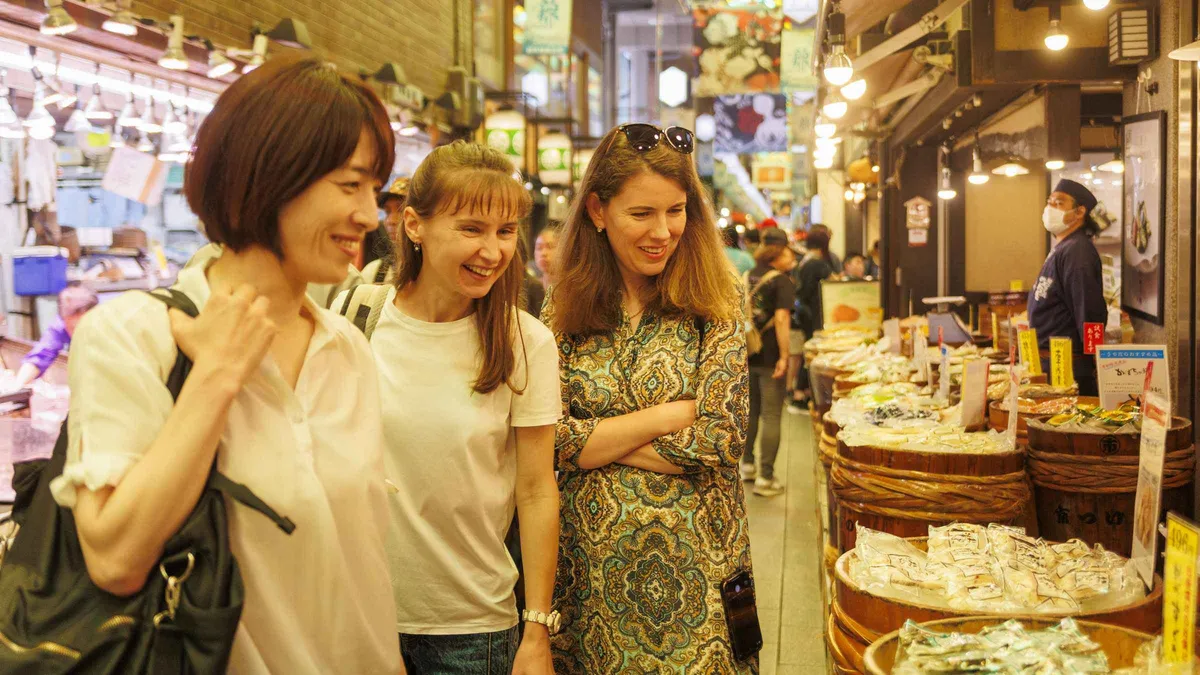 from $84.33
Kyoto: Nishiki Market Food & Culture Tour with Izakaya Lunch
Five substantial tastings — wagyu skewers, yuba, obanzai home cooking, hamo tempura — through the arcade, ending with an izakaya lunch. The most food of the Nishiki walks.
Check Availability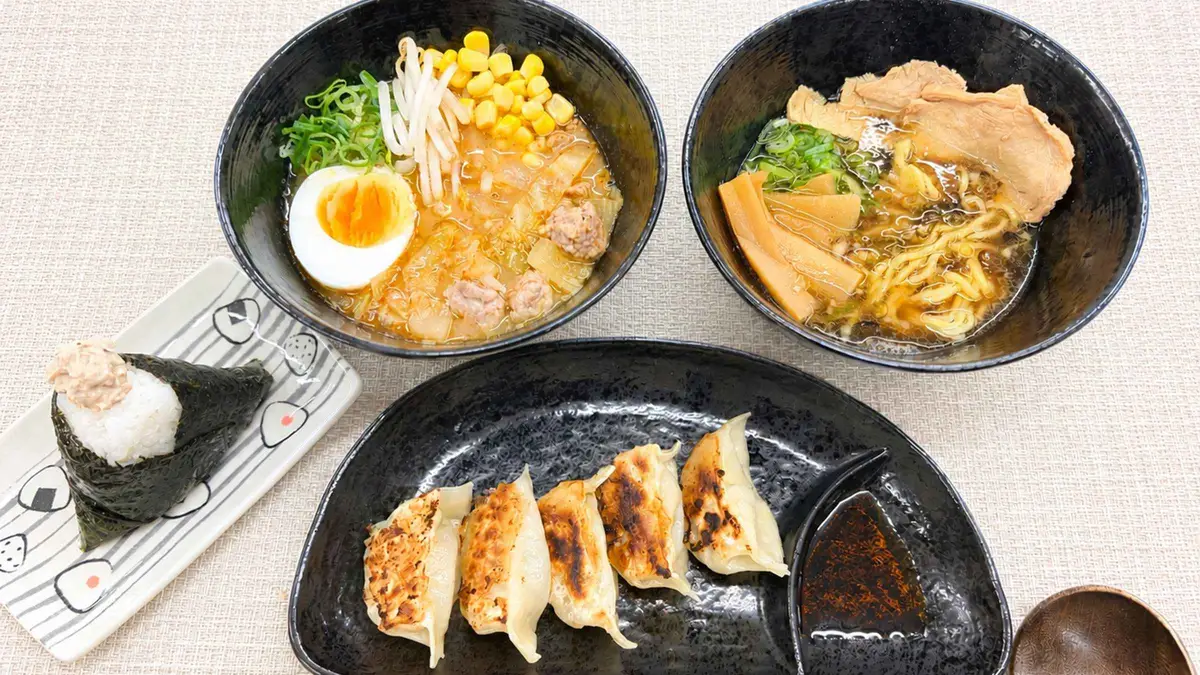 from $87.45
Kyoto: Ramen, Gyoza, and Onigiri Cooking Class
Ninety minutes making soy-sauce and miso ramen from scratch, plus gyoza folding and onigiri, then eating what you made. Ingredients, equipment and English instruction included.
Check Availability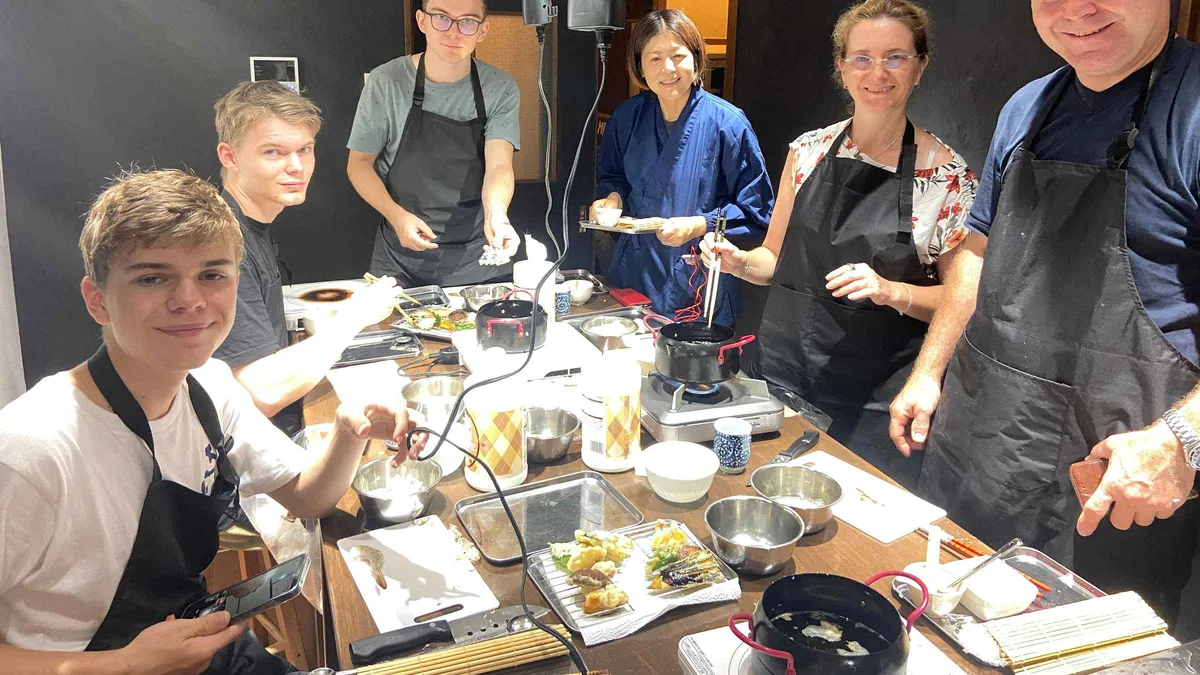 from $59.34
Kyoto: Japanese Washoku Bento Small Group Cooking Class
A small-group class that builds a full bento: sushi rolls, tempura, tofu salad and tamagoyaki, in two and a half hours. The most useful cooking class here for home cooks.
Check Availability from $84.33
Kyoto: Insider Sake Brewery Tour with Sake and Food Pairing
Three hours with a certified sake sommelier: a brewery visit and more than ten sakes tasted against traditional otsumami. Fushimi has brewed here for four centuries.
Check Availability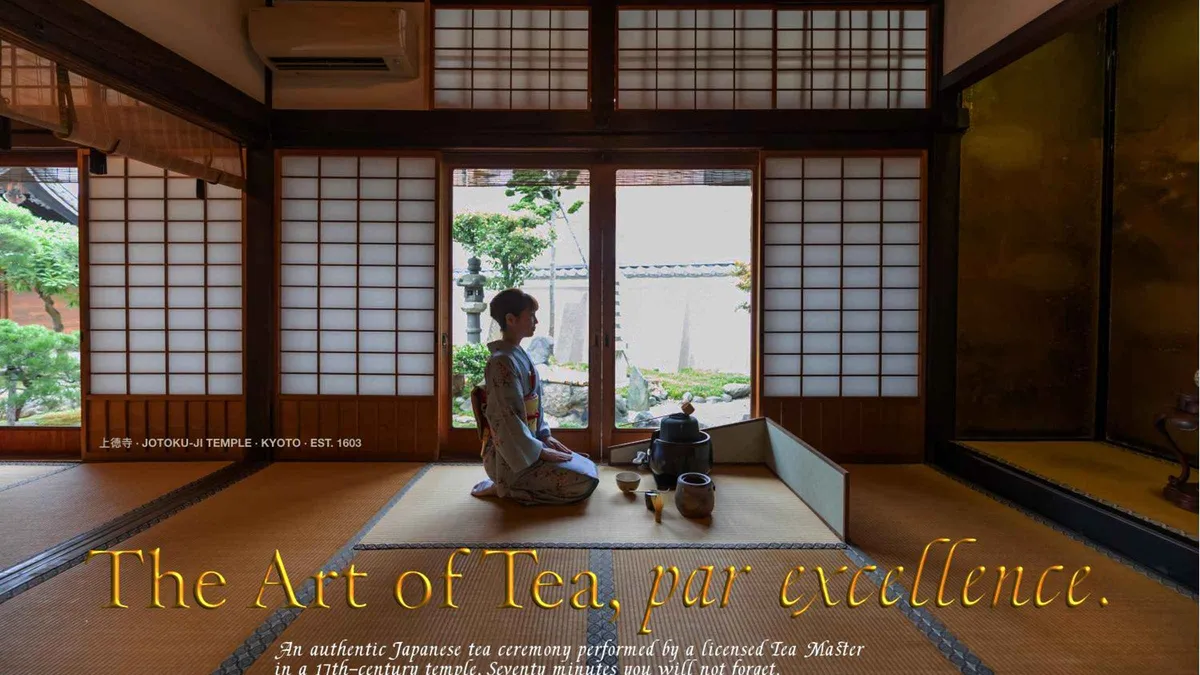 from $28.11
Kyoto: Tea Ceremony Ju-An at Jotokuji Temple
Seventy minutes of the real chanoyu ritual inside Jotokuji Temple, with the meaning of each movement explained. The most-reviewed tea ceremony in the city and among the cheapest.
Check AvailabilityPrices, ratings and details are the platform's own. Dollar figures are the listed prices. The platform bills in your account's currency.
Eating by time of day
Kyoto's kitchens keep earlier hours than most European cities, and the city closes sooner than visitors expect.
Breakfast is the weak meal. Hotels serve it; the city barely does. The exception is the market from about nine, and the coffee culture — Kyoto has an unusually serious one, with kissaten that have been pouring the same siphon coffee since the 1950s.
Lunch, 11:30 to 14:00, is where the value is. Set boards, obanzai spreads, kaiseki at a third price, and every counter open.
Dinner starts early: kitchens fill from 18:30 and many stop taking orders by 21:00. A 21:30 arrival in Pontocho will find a handful of places open and a lot of shutters.
Late is thin. Kyoto is not Osaka: after about 22:00 the options are ramen, izakaya near the station, and the bars along Kiyamachi. If you want a late city, Osaka is 25 minutes away and the last trains back run close to midnight.
Where to go next
Three pages that follow from a meal.
Nishiki Market
390 metres of counters, the four-century history and the one rule the association asks visitors to follow.
The marketVegetarian and vegan Kyoto
Where the dashi is, which temple restaurants are genuinely vegan, and how to ask in Japanese.
The dietary pageWhat Kyoto costs
A day priced out, with food set against the sights and the room.
The budgetEating in Kyoto: the questions
Where should you eat in Kyoto?
Downtown, for most visitors: Pontocho and Kiyamachi for dinner, Nishiki Market and the depachika halls under the Shijo stores for lunch. Gion is where the expensive kaiseki houses are, and Arashiyama is where the tofu and temple-cuisine restaurants are. The district table prices each.
How much does dinner cost in Kyoto?
An izakaya or teishoku counter runs $18–37 (¥3,000–6,000) a head with a drink; a mid-range restaurant in Pontocho $25–75 (¥4,000–12,000); kaiseki at the famous houses starts around $125 (¥20,000). Lunch at the same kaiseki kitchens is often a third of the evening price.
Do you need reservations to eat in Kyoto?
Only at the top. The famous kaiseki houses book two to three months ahead and some take no unintroduced first-time bookings; good mid-range places want a week. Izakaya, ramen counters and the market need nothing, and a table in Pontocho before 18:00 is usually available on the night.
What food is Kyoto known for?
Vegetables, tofu and yuba, freshwater fish and pickles — a landlocked cuisine. In formats: obanzai home cooking, shojin ryori temple cuisine, and kaiseki. Also hamo in summer, yudofu around Nanzen-ji, and matcha in everything, which is Uji's influence.
Is it easy to eat vegetarian in Kyoto?
Easier than in most of Japan and harder than it looks. Shojin ryori temple cuisine is genuinely vegan, and the tofu and yuba tradition helps — but bonito dashi is in a great many things that appear vegetable-based. The dietary page covers where it hides and how to ask.
What time do restaurants close in Kyoto?
Earlier than visitors expect. Kitchens fill from about 18:30 and many stop taking orders by 21:00; after 22:00 the options thin to ramen, station izakaya and the Kiyamachi bars. Osaka, 25 minutes away, is the late city in this region.
Kyoto food on film: the market, the alleys and the counters
Three videos we checked ourselves — each id verified against YouTube's own oEmbed record and its thumbnail on 30 August 2026, so none of these is a dead player. They load only when you press play.
KYOTO Local Food Guide | 14 Places to Eat & Drink (With Prices!)
A guided run through what to see and in what order.
Video: Locavore Eats10 MUST EAT Restaurants in Kyoto Japan (food guide) ! | Jeremy Jacobowitz
A guided run through what to see and in what order.
Video: Jeremy JacobowitzHidden Kyoto Food Spot No One Knows About
Filmed at the counters, which is where the decisions actually get made.
Video: Paolo fromTOKYOVideos load from YouTube only when you press play.
Prices, hours and terms are set by the venue or operator and confirmed at checkout.
We may earn a commission if you book through one of our links, at no extra cost to you. Full affiliate disclosure