 Kyoto City Guide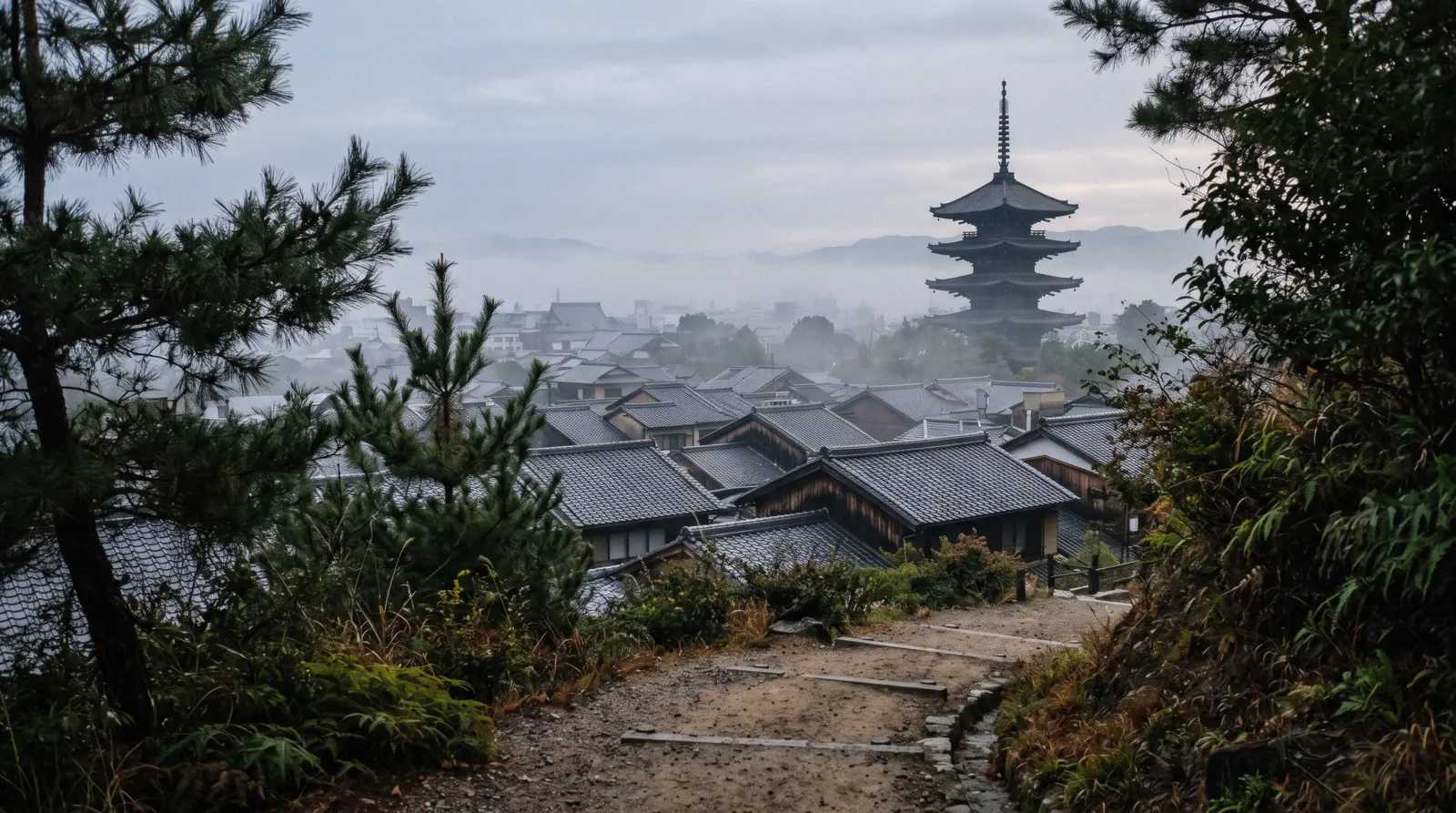
Kyoto in 3 Days
Kyoto in 3 days is the first plan that does not require sacrifices. Two days cover the city's two halves; the third is where the trip stops being a checklist — a day outside the city, or a slow morning in the north-west with an afternoon that has nothing scheduled in it. This page keeps days one and two from the shorter plans and sets out three honest options for day three. For the city as a whole, see what to do in Kyoto.
Quick answer East, west, and a choice for day three — in four lines
Day one is the eastern chain from a 06:30 start at Kiyomizu-dera to Fushimi Inari at golden hour. Day two is the west: the bamboo at 07:30, Tenryu-ji, the river, then Kinkaku-ji and Ryoan-ji. Day three is a choice — Nara, Uji, or a slow north-western morning with a free afternoon. Admissions and hours are from the venues' own sites.
Key takeaways
- Nara is the day-three default: 35 minutes each way, Todai-ji's Great Buddha, a deer park and eight UNESCO sites in one walkable park
- Uji is the half-day version at 20 minutes — matcha, the Byodo-in phoenix hall, and back in Kyoto by mid-afternoon
- The stay-in-town version is the most underrated: the Philosopher's Path, Ginkaku-ji and an afternoon with nothing booked
- Whatever you pick, do not schedule day three tightly — three consecutive 06:30 starts is how a good trip turns into a forced march
How three days differ from two
The third day is not more sights. It is the day that makes the other two land.
On a two-day plan every hour is allocated and every stop is a headline. That works, and it is also why people come home from Kyoto remembering queues. The third day should be doing one of three jobs: getting you out of the city entirely, giving the north-west the slow morning it deserves, or leaving an afternoon genuinely empty so that something unplanned can happen — a tea house, a shop, an hour by the river.
The structural argument is simpler still: after two mornings that start before seven, most people are tired. Day three is when a 09:00 train to Nara or a lie-in and a canal walk is the better trip, not the weaker one.
Day one: the eastern chain
The same day as the one-day plan, because it is the best-shaped day in the city. About nine kilometres on foot.
-
Kiyomizu-dera
Not published by the templeOpens at 06:00 — the earliest gate in Kyoto and the hinge of this entire itinerary. An hour here before half past seven and the stage is yours.
walk about 5 min to next
-
The Higashiyama lanes
FreeSannenzaka, Ninenzaka, Ishibei-koji and Nene-no-Michi with the shutters down. Add Kodai-ji at $5 (¥800) if the gardens appeal.
walk about 15 min to next
-
Sanjusangen-do
$3.75 (¥600)1,001 gilded Kannon, 120 metres, forty minutes, no photographs. The most predictable stop in the city and one of the best.
walk about 10 min to next
-
Nishiki Market
Free; tastings $1–6 (¥150–1,000)Lunch in the arcade, eaten at the shop rather than on the move. The depachika halls under Shijo are the alternative.
walk about 12 min to next
-
Gion
FreeShirakawa, then Hanamikoji. The private lanes are posted closed; the public streets are the walk.
walk about 8 min to next
-
Fushimi Inari
FreeGolden hour on the gates, the crowd draining, and no closing time to hurry you back down.
Day two: west, then north-west
The bamboo before eight, the pavilions after lunch. This is the day the transport pass earns its price.
-
The Arashiyama bamboo path
FreeJR from Kyoto Station, fifteen minutes. Before eight it is a path through bamboo; by ten it is a queue moving at walking pace.
walk about 5 min to next
-
Tenryu-ji
$3.13 (¥500) gardenA pond garden unchanged since the 1340s, with the hills borrowed as its back wall. The north gate opens straight into the grove.
walk about 10 min to next
-
The river and the bridge
Free; the boat is $37.50 (¥6,000)Togetsukyo, the riverbank, and the monkeys on Iwatayama if the twenty-minute climb appeals. Coffee on the north bank.
walk about 20 min to next
-
Kinkaku-ji
$3.13 (¥500)Twenty-five minutes on a fixed one-way path. You never go inside, and the reflection is the whole point.
walk about 15 min to next
-
Ryoan-ji
$3.75 (¥600)Fifteen rocks, raked gravel, and the veranda has room at the back. Give it longer than you think; the Kyoyochi pond below is free and empty.
Day three, option A: Nara
The default third day. Thirty-five minutes each way on the Kintetsu limited express, and the whole of it is walkable.
-
Train to Nara
$6.94 (¥1,110) each way with the express feeKintetsu from Kyoto Station, 35 minutes, arriving five minutes' walk from the park. The JR line is slower, cheaper and further out.
A later start than the previous two days on purpose.
walk about 5 min to next
-
Todai-ji and the Great Buddha
Charged at the hall; see the temple's own pageOne of the largest wooden buildings in the world, holding a 15-metre bronze Buddha cast in 752. Before ten it is quiet; by eleven the school groups arrive.
The deer are everywhere and will bow for a biscuit. They also head-butt.
walk about 15 min to next
-
Kasuga Taisha and the park
Grounds free; inner area chargedThree thousand lanterns, bronze and stone, along an avenue through the woods. The walk between Todai-ji and the shrine is half the pleasure of Nara.
Lunch around Naramachi, the old merchant quarter south of the park.
walk about 20 min to next
-
Kofuku-ji and back
Grounds free; the treasure hall chargedThe five-storey pagoda beside the station, and the national-treasure sculpture in the museum hall if there is time.
Back in Kyoto by about half past four, which leaves the evening free for the parts of the city you liked most.
The three versions of day three, compared
Travel times are the operators' timetables; costs are the venues' own figures, converted at ¥160 = $1. All three assume you are staying in Kyoto and coming back the same evening.
| Version | Travel each way | Cost | Ends | Best for |
|---|---|---|---|---|
| Nara | 35–45 min | About $19 (¥3,000) with fares and entries | 16:30 back in Kyoto | A first visit; the Great Buddha is worth the day |
| Uji | 20 min | About $12.50 (¥2,000) | 14:00 back in Kyoto | A half day; matcha, Byodo-in and a river |
| Slow city day — Philosopher's Path and Ginkaku-ji | 20 min by bus | About $6.25 (¥1,000) | Whenever you like | Tired legs, a second look, an unplanned afternoon |
| Coach to the coast — Amanohashidate and Ine | 2 h 15 – 3 h | From $50.60 (¥8,096) | About 19:00 | A third or fourth visit; a genuinely different landscape |
Our order of preference on a first trip: Nara, then the slow city day, then Uji, and the coast only if you have four days or more. The coach day is a long one and it lands you back in Kyoto with nothing left in the evening.
The case for not leaving the city on day three
The version nobody puts in an itinerary, and the one visitors most often say they wish they had taken.
Sleep in. Take a bus to Ginkaku-ji for its 08:30 opening, or at ten if you would rather. Walk down the Philosopher's Path — two kilometres of canal, a thatched gate at Honen-in, stone mice at Otoyo Shrine, and cafés that open around ten. Reach Nanzen-ji and its brick aqueduct at lunchtime.
Then leave the afternoon empty. Go back to whichever part of the city you liked most on day one; sit in Ryoan-ji for an hour; book a tea ceremony or a workshop for the middle of the day; walk Nishiki again with a list this time. The tourist version of Kyoto takes two days. The third day is where you get some of the other one. The third day is also a good time to skim Kyoto guided tours and note the places a guide might open up on a future visit.
What to book across three days
One experience per day is about right, and the small-group ones fill first. Prices are the platform's listings in USD.
 from $74.96
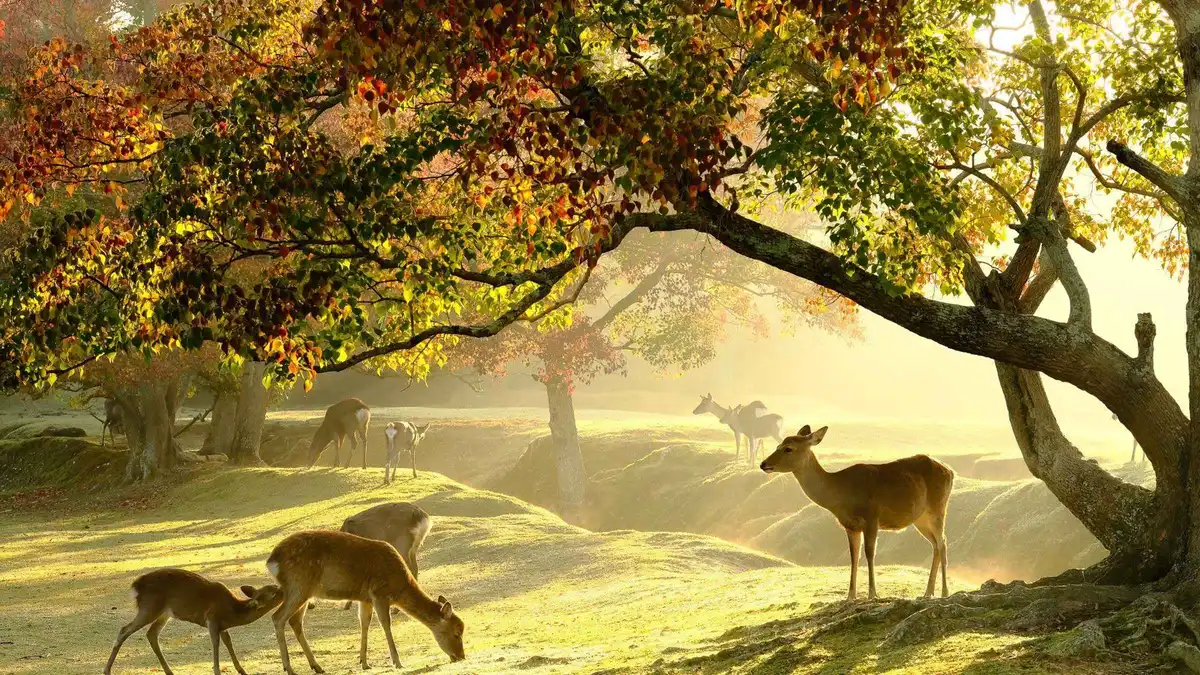
From Kyoto: Nara History Guided Half-Day Bus Tour with Lunch
Half a day rather than a whole one: the Great Buddha Hall at Todai-ji with its entrance fee, Nara Park and Kasuga Taisha, with lunch and an English guide, back in Kyoto by mid-afternoon.
Check Availability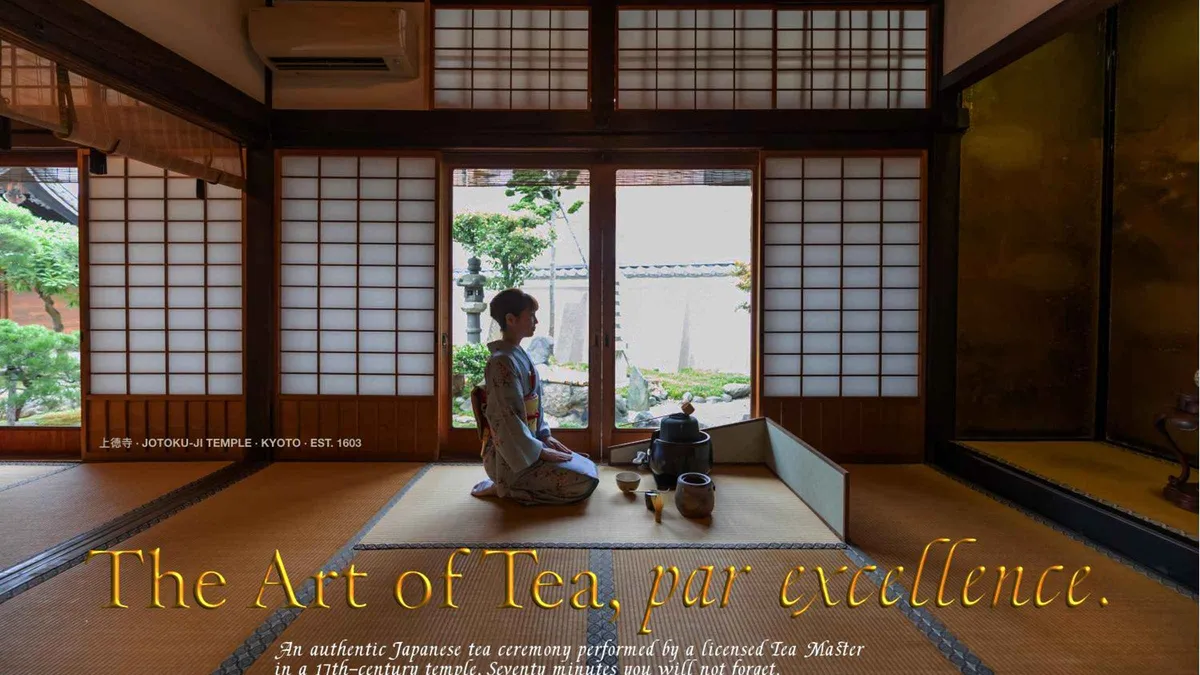 from $28.11
Kyoto: Tea Ceremony Ju-An at Jotokuji Temple
Seventy minutes of the real chanoyu ritual inside Jotokuji Temple, with the meaning of each movement explained. The most-reviewed tea ceremony in the city and among the cheapest.
Check Availability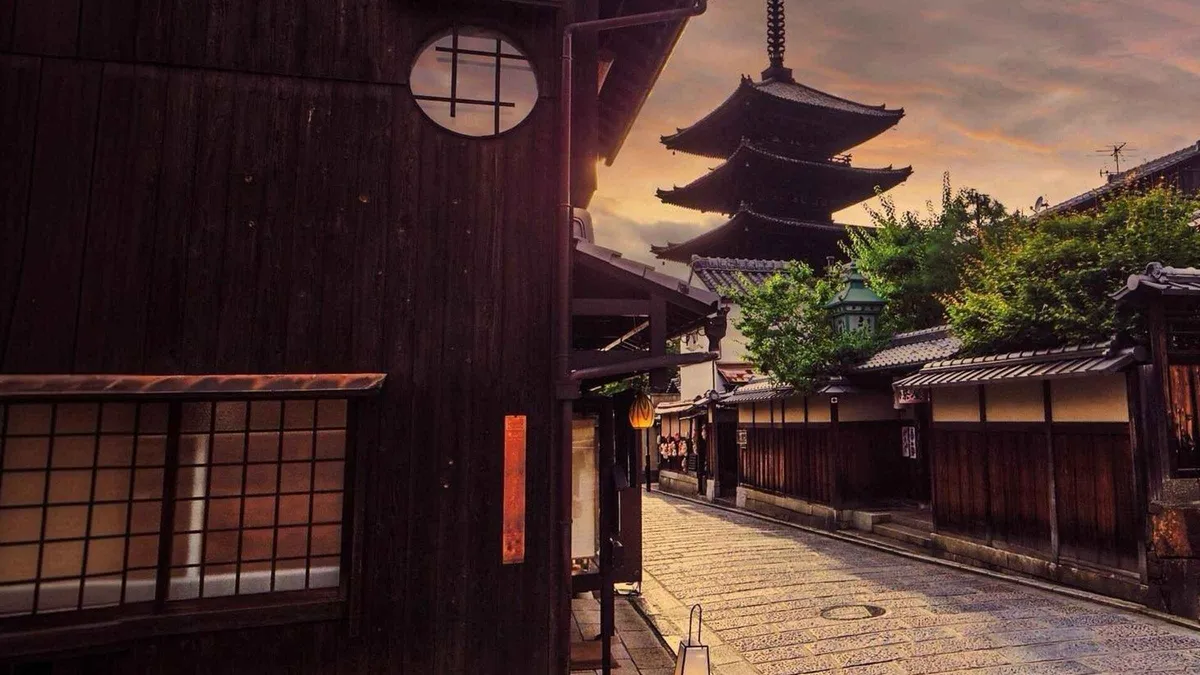 from $18.74
Kyoto: Gion Geisha District & Hidden Gems Walking Tour
Gion's most reviewed walk, and it starts at Shirakawa rather than the crowded lane. Two hours through Hanamikoji, Yasui Kompira-gu, Hokan-ji and Nene-no-Michi with a guide who explains what the ochaya actually are.
Check Availability from $6.25
Kyoto: Gion Chopsticks Making Class with Engraving Option
Half an hour in a Gion workshop shaping your own pair of chopsticks from raw wood, with an engraving option. Under ten dollars, and the most-reviewed workshop in the city.
Check Availability from $106.19
Kyoto: Arashiyama Bamboo Forest Morning Tour by Bike
A native English-speaking guide, a bicycle and a 08:00 start in the bamboo grove, which is the only hour it is quiet. Three and a half hours including the back streets of Arashiyama.
Check Availability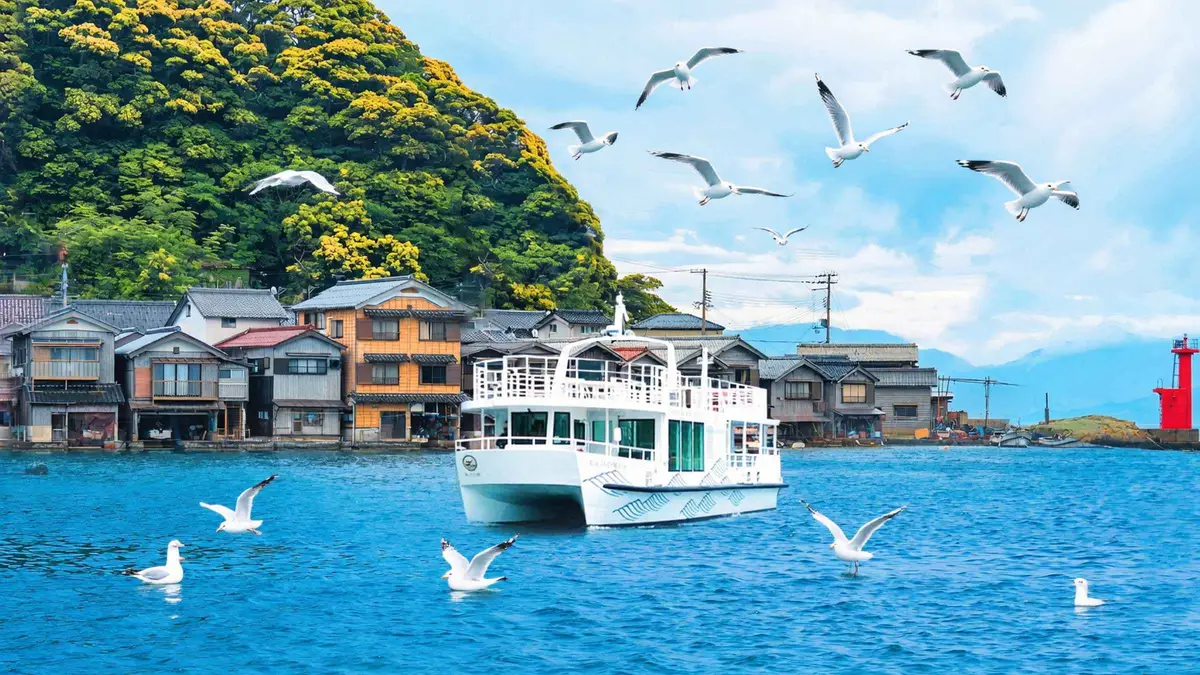 from $50.60
Kyoto/Osaka: Amanohashidate & Ine Funaya & Ine Bay Day Tour
The coast without Miyama: the Amanohashidate cable car, Ine Bay's Edo-era boathouses and a cruise, at the same price as the three-stop version but with more time at each.
Check Availability from $84.33
Kyoto: Insider Sake Brewery Tour with Sake and Food Pairing
Three hours with a certified sake sommelier: a brewery visit and more than ten sakes tasted against traditional otsumami. Fushimi has brewed here for four centuries.
Check AvailabilityPrices, ratings and details are the platform's own. Dollar figures are the listed prices. The platform bills in your account's currency.
Three days, mapped
Day one east, day two west and north, day three out of the city — or back into the quiet half of it.
The other versions
If three days is not what you have.
Kyoto in one day
The eastern chain only, from a 06:00 temple opening to a sunset shrine.
The short versionKyoto in two days
East then west, with the north-west folded into the second afternoon.
The common versionDay trips from Kyoto
Ten destinations ranked by how long they really take and which need a coach.
Day three, expandedThree days in Kyoto: the questions
Is three days enough for Kyoto?
Yes — three days covers both halves of the city properly and leaves one day for a trip outside it or a slow morning inside it. It is the first plan that does not require cutting something significant, which is why we treat it as the working length for a first visit.
What should you do on the third day in Kyoto?
Nara on a first visit — 35 minutes each way for the Great Buddha, the deer park and eight UNESCO sites. Uji is the half-day alternative. The third option is not leaving at all: the Philosopher's Path, Ginkaku-ji and an afternoon with nothing in it.
How much does three days in Kyoto cost?
About $45–75 (¥7,200–12,000) in admissions and fares depending on which day three you take, plus food and the room. The sights themselves are cheap: nothing in this plan costs more than $8.13 (¥1,300). The full budget.
Should you do a day trip or stay in Kyoto for three days?
Do the day trip if it is Nara and this is a first visit — the Great Buddha has no equivalent in Kyoto. Stay in the city if you are tired, if the weather is good, or if two days of headline sights have left you wanting the ordinary version of the place.
Can you see all of Kyoto in three days?
No, and the attempt is the classic mistake. Three days covers about fifteen of the two thousand temples and shrines, which is the right number. What it buys is the whole of the eastern chain, the whole of the west, the pavilions and a day beyond the city — the shape of the place rather than a checklist.
Three days in Kyoto, on film
Three videos we checked ourselves — each id verified against YouTube's own oEmbed record and its thumbnail on 30 August 2026, so none of these is a dead player. They load only when you press play.
The Ultimate 3 Day KYOTO Itinerary | Japan Travel Guide (2025)
A guided run through what to see and in what order.
Video: Hangry By Nature3 Day Kyoto Japan Itinerary for First Timers 2026: Realistic Guide + My Biggest Mistakes ⛩️
A guided run through what to see and in what order.
Video: PhatLife ProjectHow to Spend 3 Days in Kyoto – The Perfect First-Time Itinerary
A day planned out on the ground, with the timings you would actually keep.
Video: The Ultimate Travel GuideVideos load from YouTube only when you press play.
Prices, hours and terms are set by the venue or operator and confirmed at checkout.
We may earn a commission if you book through one of our links, at no extra cost to you. Full affiliate disclosure