Kyoto City GuideAn Independent City Guide See tickets
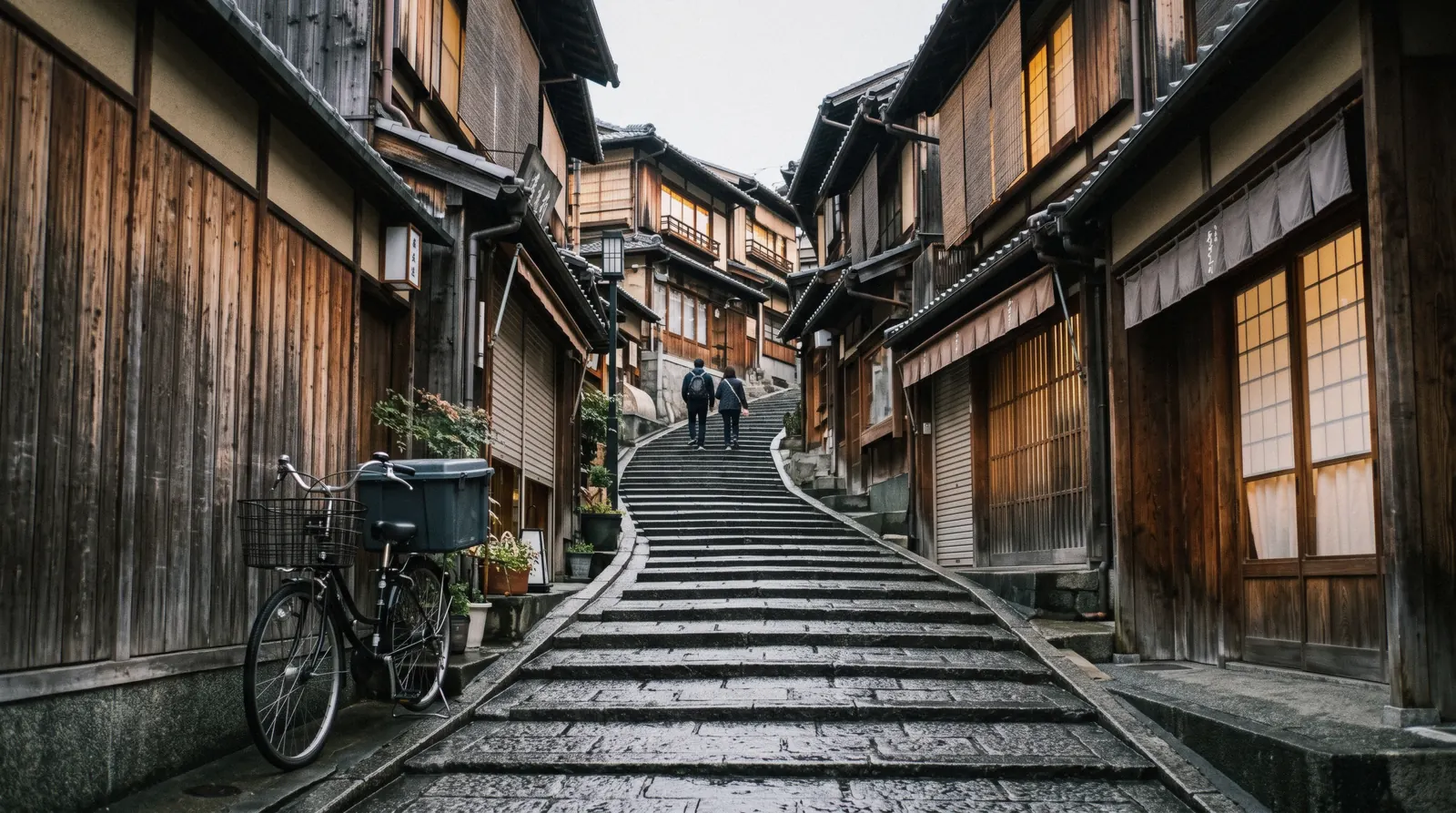
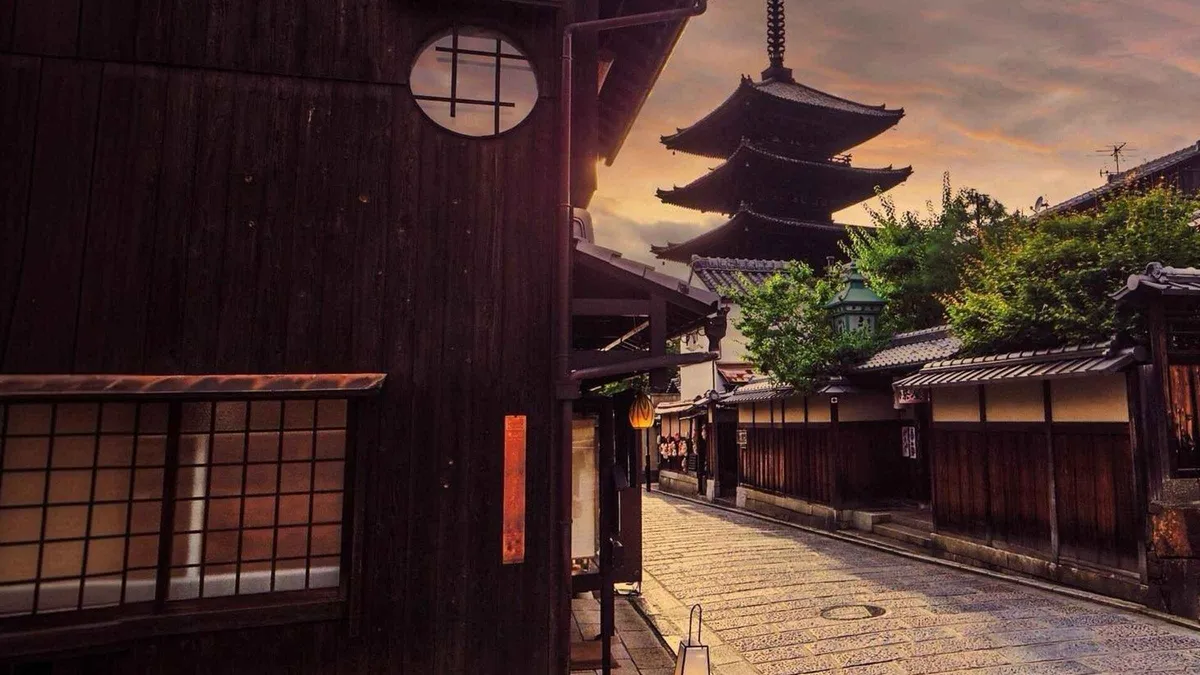
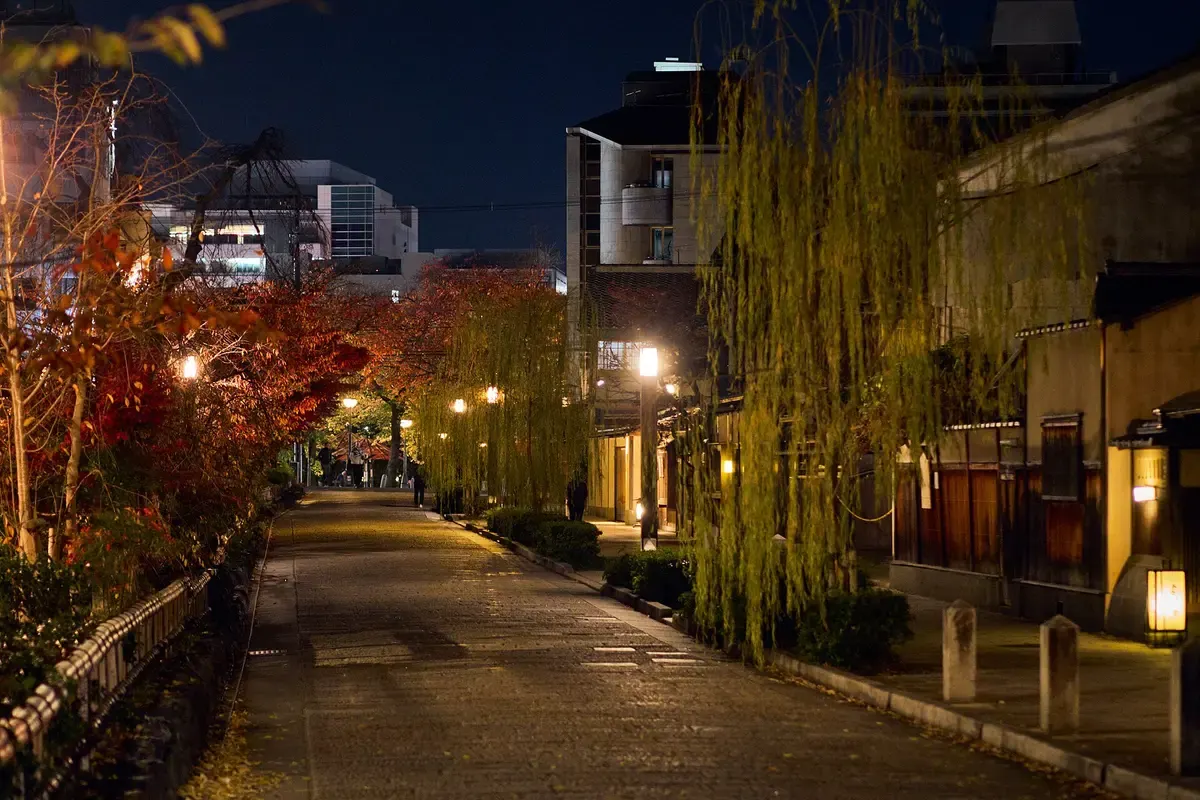
The pagoda of Hokan-ji above the stone lanes of Higashiyama at first light, Kyoto, Japan

Kyoto, Japan: An Independent City Guide

Almost nothing in Kyoto, Japan is sold as a timed ticket. You pay $3.13 (¥500) at a gate, walk in, and the trip is decided instead by hours, closed days and where you stand at eight in the morning. This guide prints those numbers with the date each one was read off the temple's own site.

Quick answer What it costs, how long it takes, what to book — in four lines

Kyoto's headline sights are cheap and un-bookable: $3.13 (¥500) at Kinkaku-ji, $3.75 (¥600) at Sanjusangen-do, nothing at all at Fushimi Inari. Prices below were read on the temples' own sites on 30 August 2026. Three full days covers the east, the west and one day trip; two leaves out Arashiyama or Nara.

Key takeaways

Kyoto in five decisions: what to see, what to pay, where to sleep

The five hubs of this guide, each with the three facts that decide it.

What to see

Seventeen UNESCO sites and about two thousand temples and shrines. The list that matters is much shorter, and it is a walking order, not a ranking.

Kinkaku-ji takes 25 minutes; Sanjusangen-do takes 45

What it costs at the gate

Kyoto sells almost no advance tickets. You queue at a window, pay cash or tap an IC card, and walk in — which is why the price list matters more than any booking platform.

Gate fees run $1.88–8.12 ($1.88 (¥300)–1,300); the city has no all-in sightseeing pass

Where to base yourself

Kyoto is a grid with hills on three sides. The district decides how much of your day goes on buses, which in this city is the real currency.

Kyoto Station to Gion: 15 minutes by bus, 25 on foot

Where to go for a day

Nara is 45 minutes, Uji is 20, Osaka is 15 by the fast train. The mistake is spending a Kyoto day on a place that deserves its own.

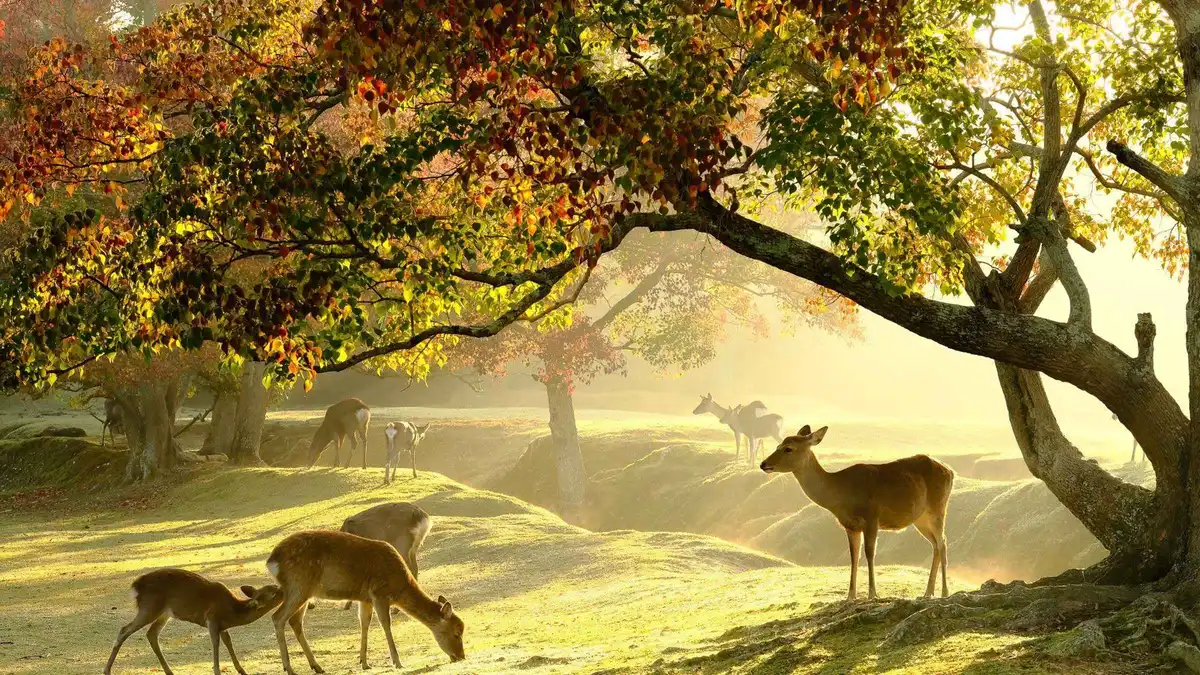
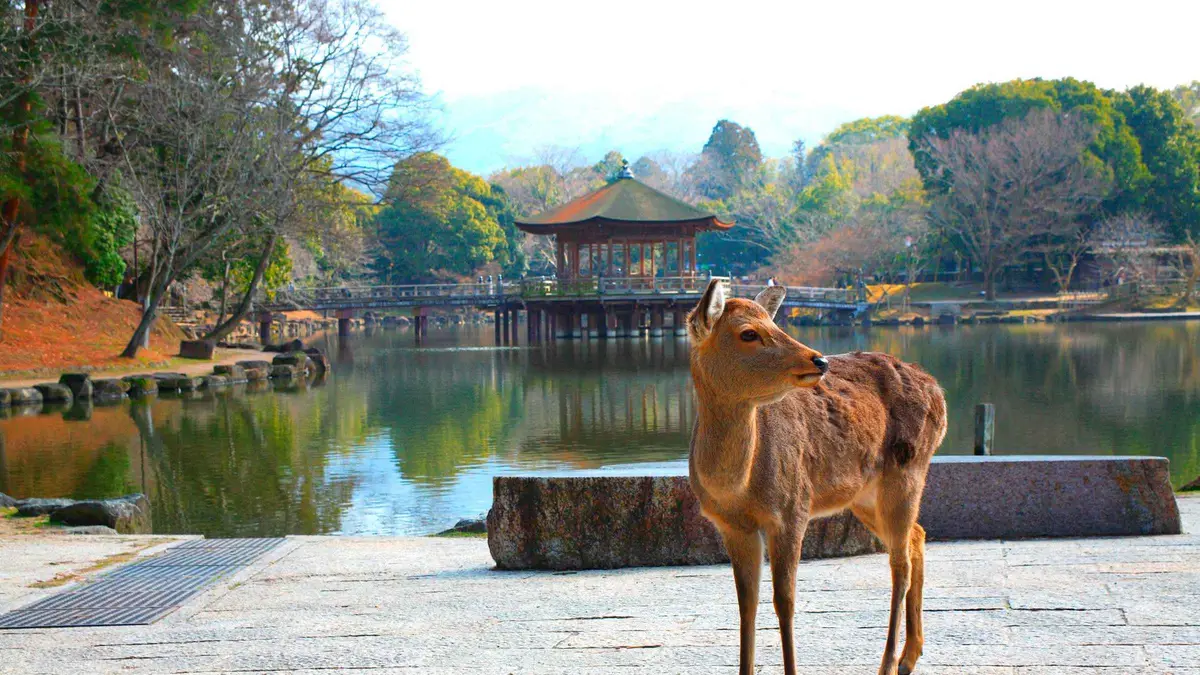
Nara: 45 minutes from Kyoto Station on the Kintetsu limited express

Everything practical

Buses, closed days, luggage, the tax on your hotel bill. Kyoto punishes the traveller who assumes it works like Tokyo.

Accommodation tax rises 1 March 2026

The Kyoto Japan short list, in the order the map wants you to walk it

Kyoto is three clusters and a mountain. Ordering by cluster rather than by fame saves about two hours of bus time a day — the single biggest saving available to a visitor here.

East: Higashiyama, from Kiyomizu down to Ginkaku-ji

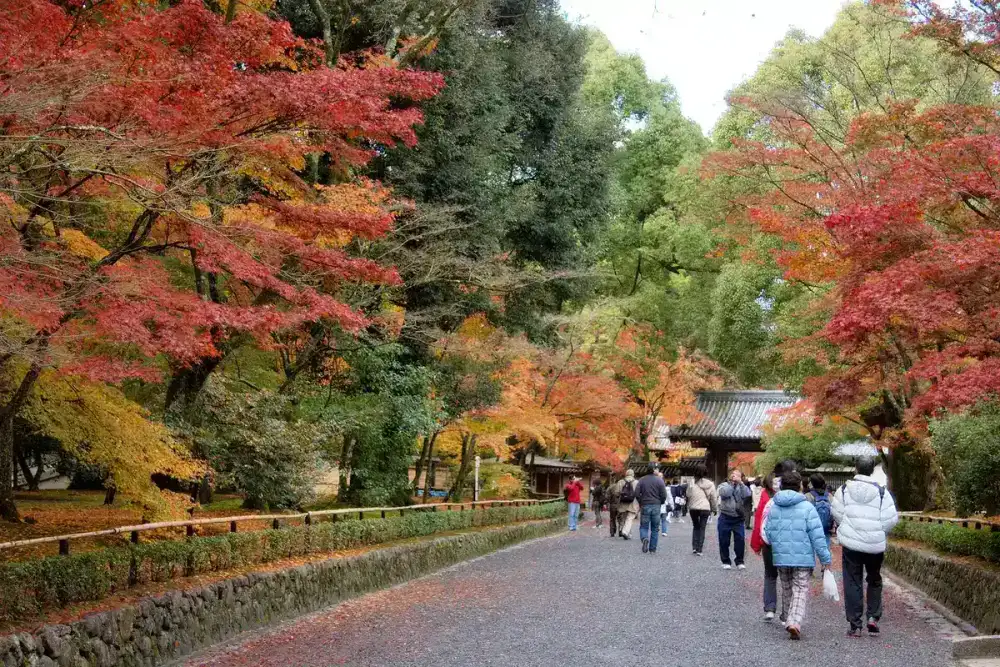
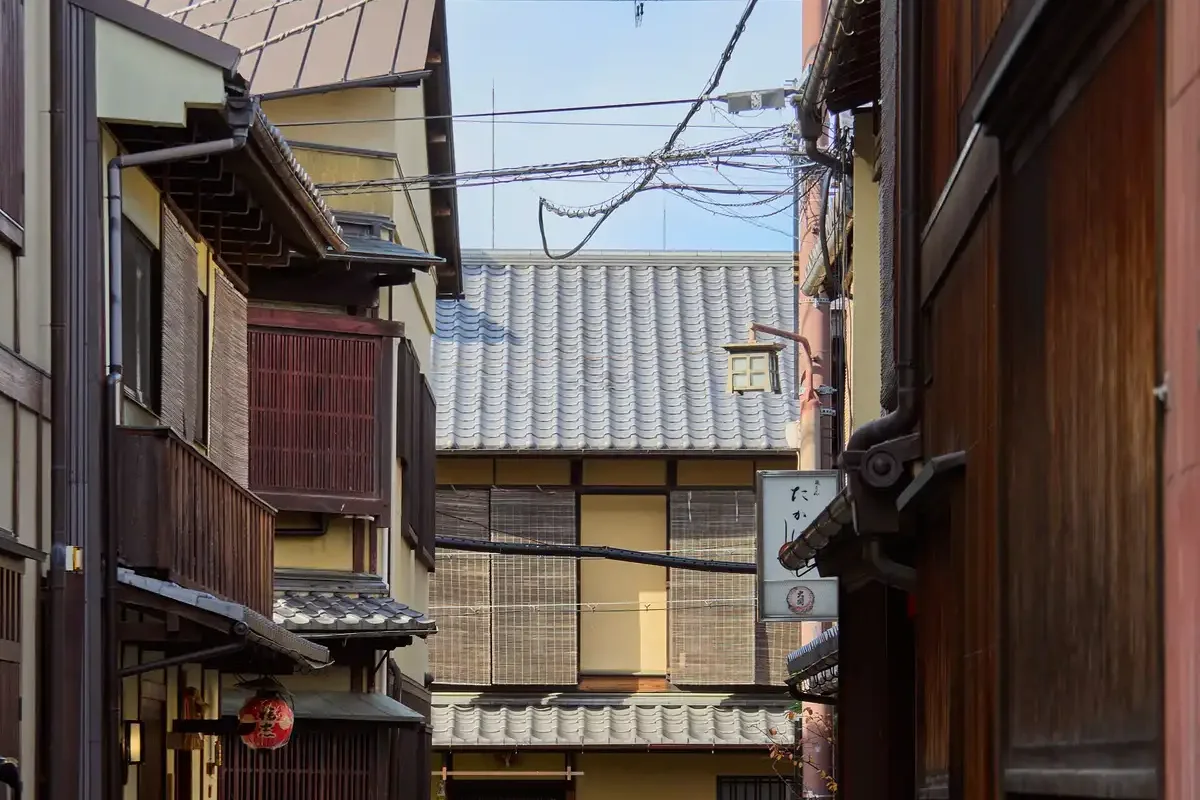
This is the walk everyone means when they say Kyoto. Kiyomizu-dera opens at 06:00 — earlier than any comparable sight in Japan — and the stone lanes below it, Sannenzaka and Ninenzaka, belong to residents and delivery vans until about 08:30. Downhill and north, Gion is a working district rather than an attraction: the ochaya are private houses, photography is restricted on the private lanes, and the honest way in is a guided walk that explains what you are looking at. Further north the Philosopher's Path runs two kilometres of canal to Ginkaku-ji, which at $6.25 (¥1,000) is the most expensive of the famous temples and the one people are most surprised by — there is no silver on it, and there never was.

  • Start at Kiyomizu-dera before 07:30 and you will have the veranda to yourself
  • Sanjusangen-do sits at the bottom of the hill, $3.75 (¥600), 8:30–17:00 from 1 April to 15 November, and closes an hour earlier in winter
  • Nanzen-ji's sub-temple Nanzen-in has been closed to visitors since the temple's notice of 8 January 2026 — the aqueduct and the main grounds are still open

West: Arashiyama, and the reason to be there at eight

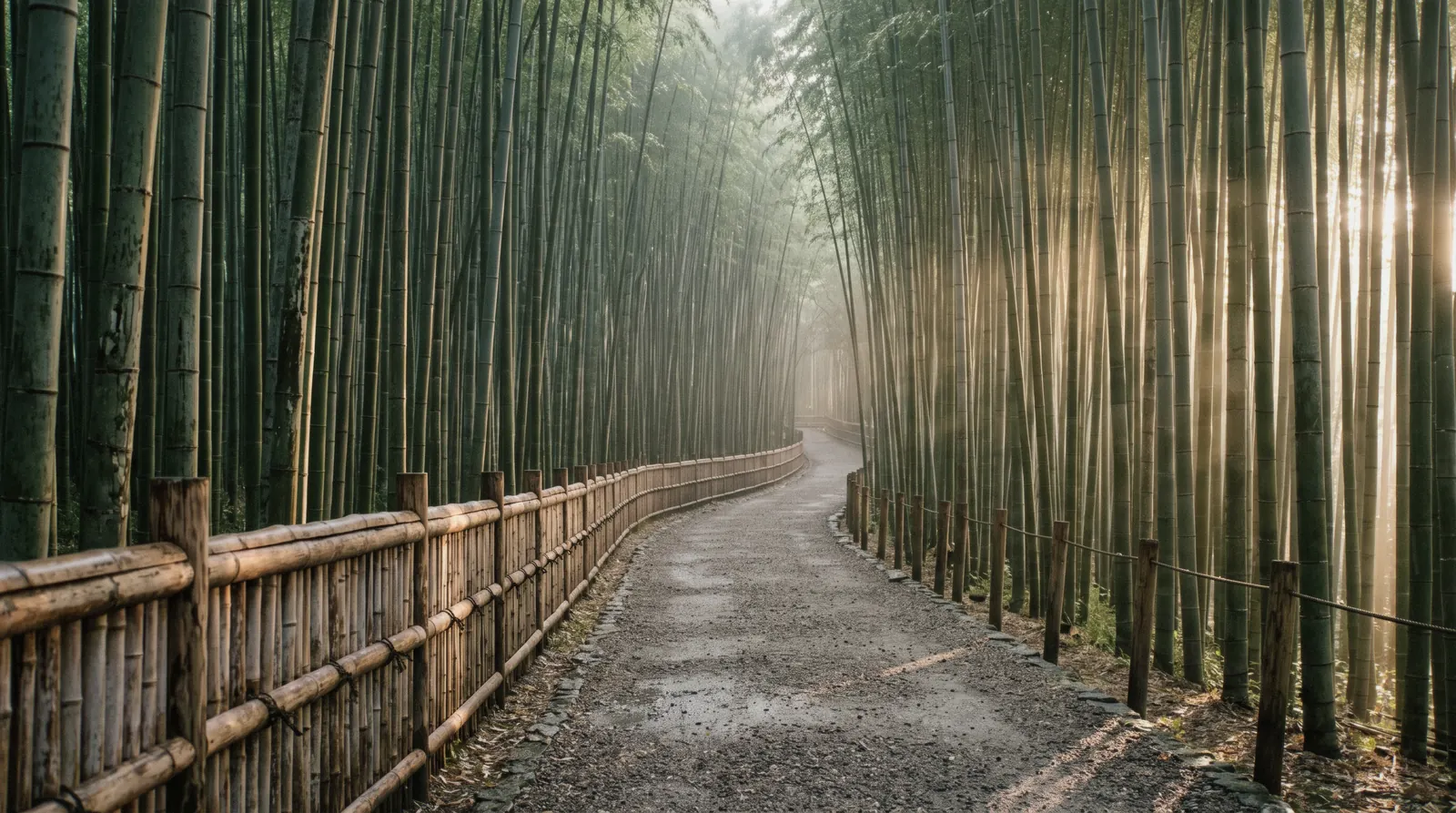
The bamboo grove is free, unstaffed and about 200 metres long, which is why every photograph you have seen of it is a lie about the crowd. Before 08:00 it is a path through bamboo; by 10:00 it is a queue moving at walking pace. Tenryu-ji next to it charges $3.13 (¥500) for the garden or $5 (¥800) with the buildings, and the Cloud Dragon ceiling in the Dharma Hall is a separate $3.13 (¥500) and open only at weekends and in the spring and autumn seasons. The monkeys on Iwatayama are a 20-minute climb above the river; the park's own website has been offline since at least 30 August 2026, so we print no price for it.

North and centre: gold, gravel and a market

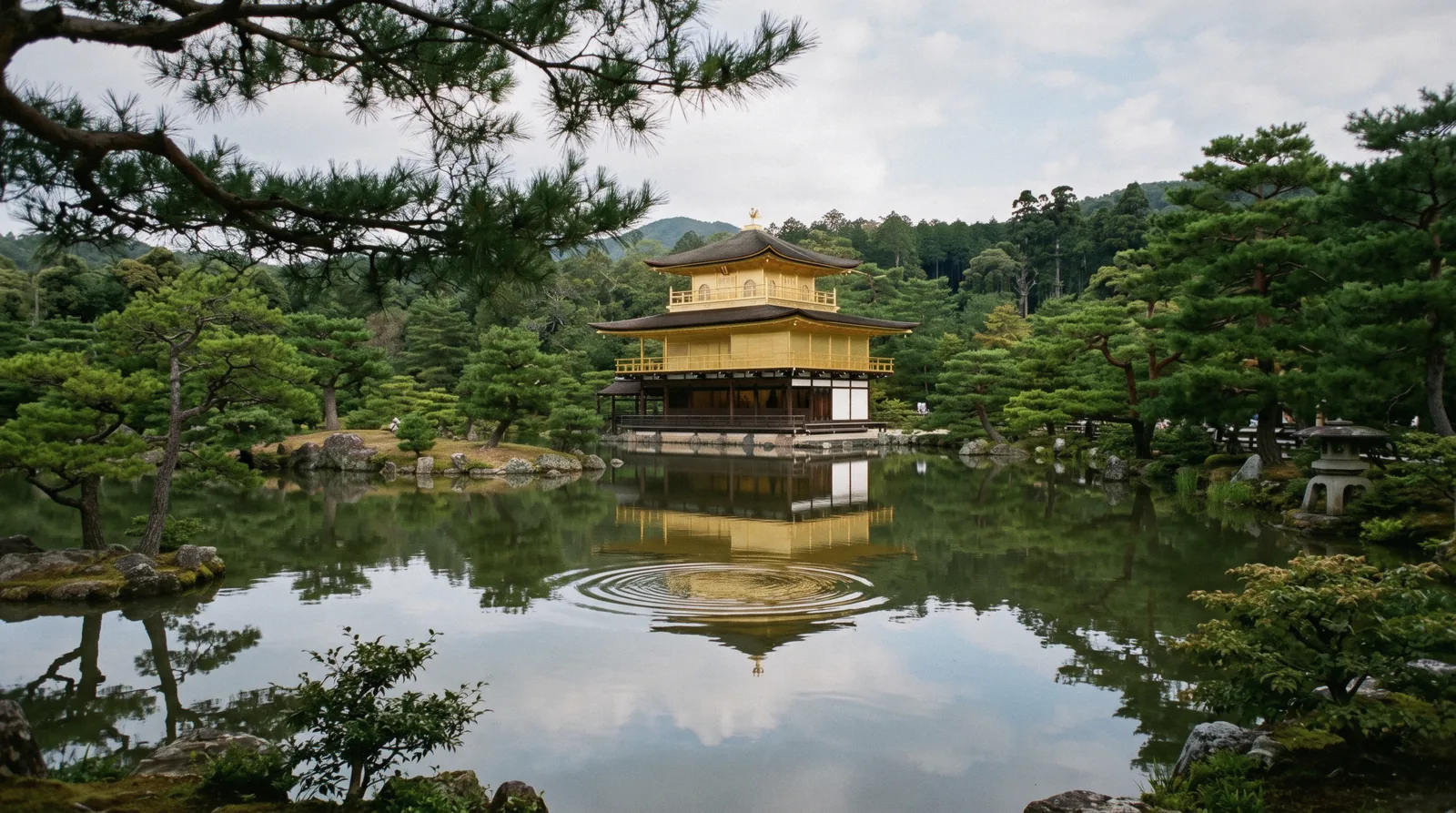
Kinkaku-ji is $3.13 (¥500) and takes about 25 minutes — it is a one-way circuit around a pond with no interiors. Ryoan-ji, fifteen minutes away by bus, is $3.75 (¥600) for fifteen rocks in gravel that people either sit with for an hour or leave in five minutes. In the centre, Nijo Castle is the only major sight with a genuine booking problem, and Nishiki Market is 390 metres of covered arcade whose association publishes no single opening time at all: hours are per shop, and a good number close on Wednesdays.

South, and the mountain that stays open

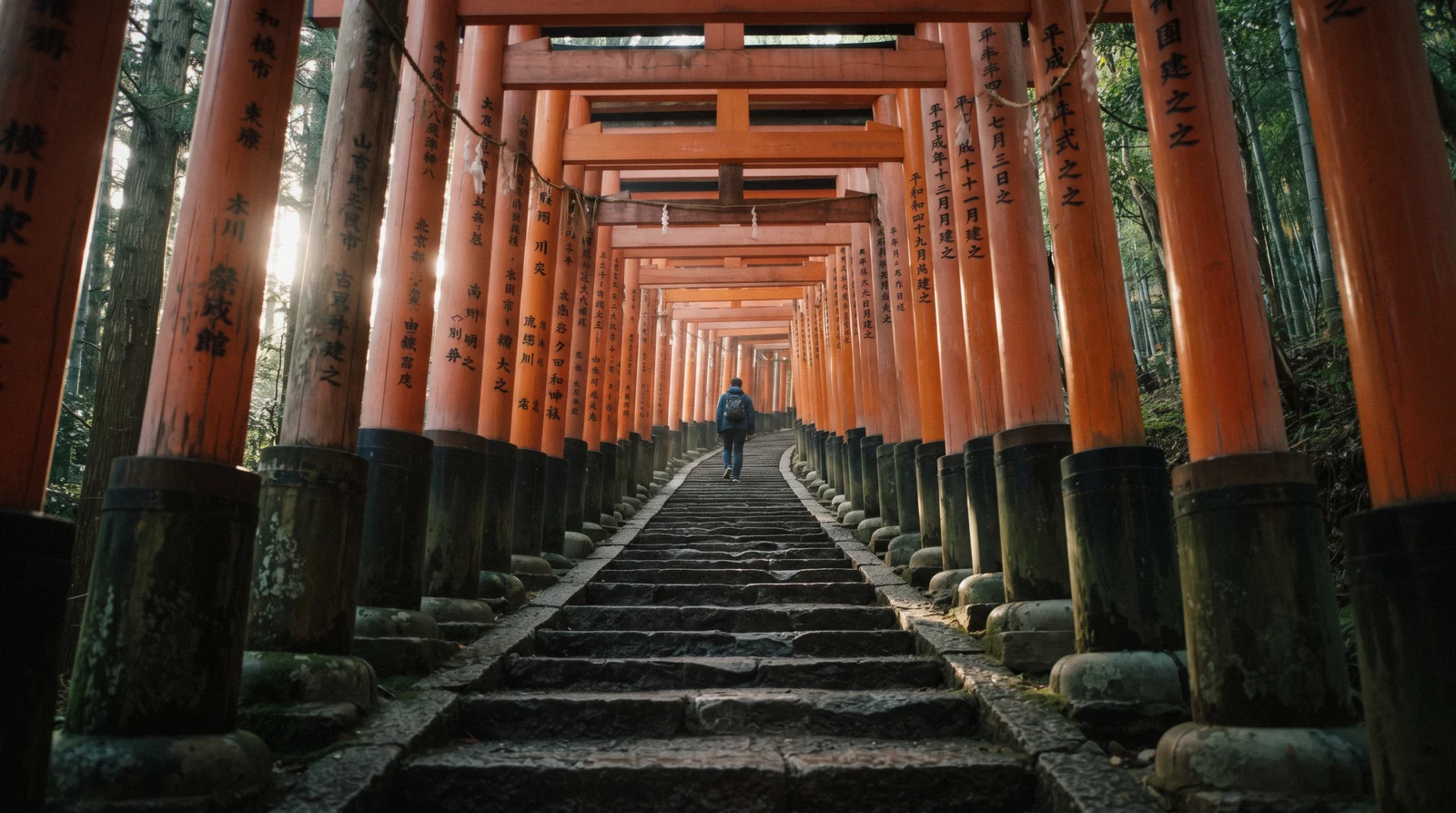
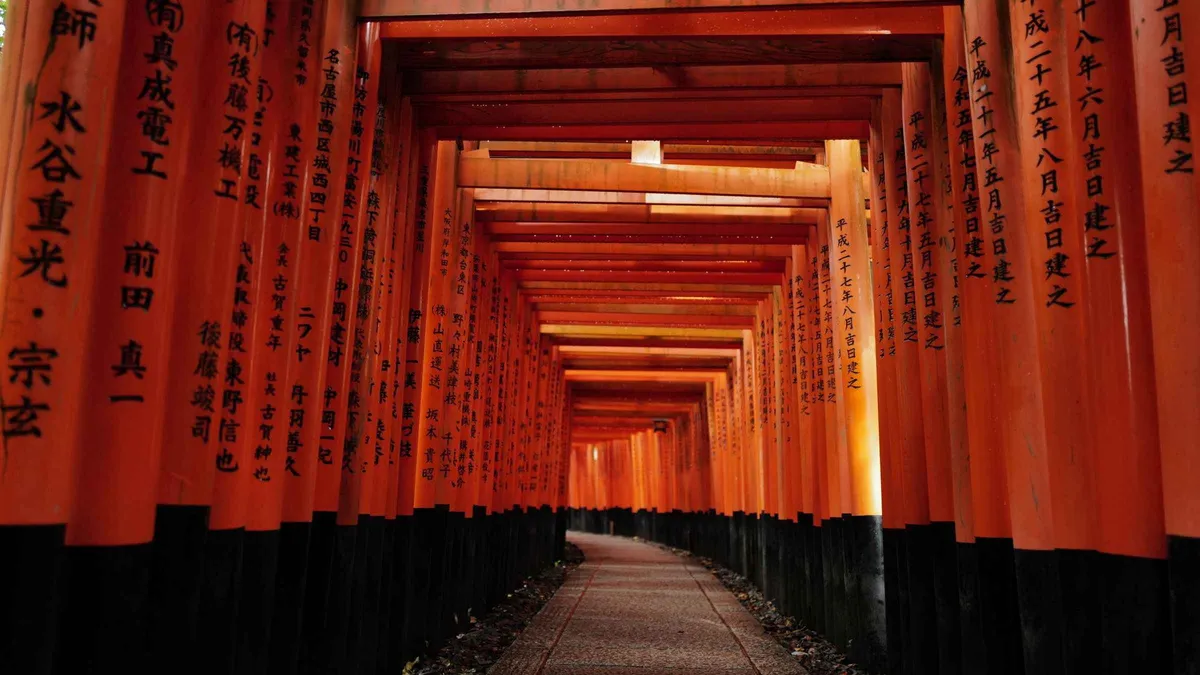
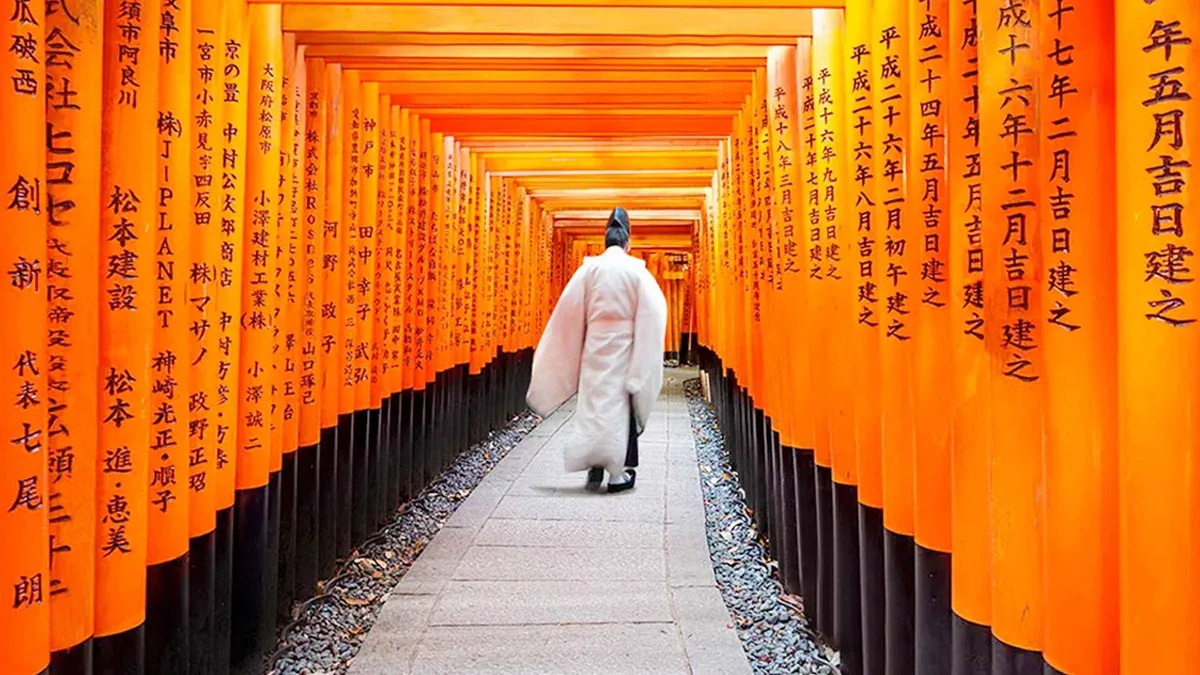
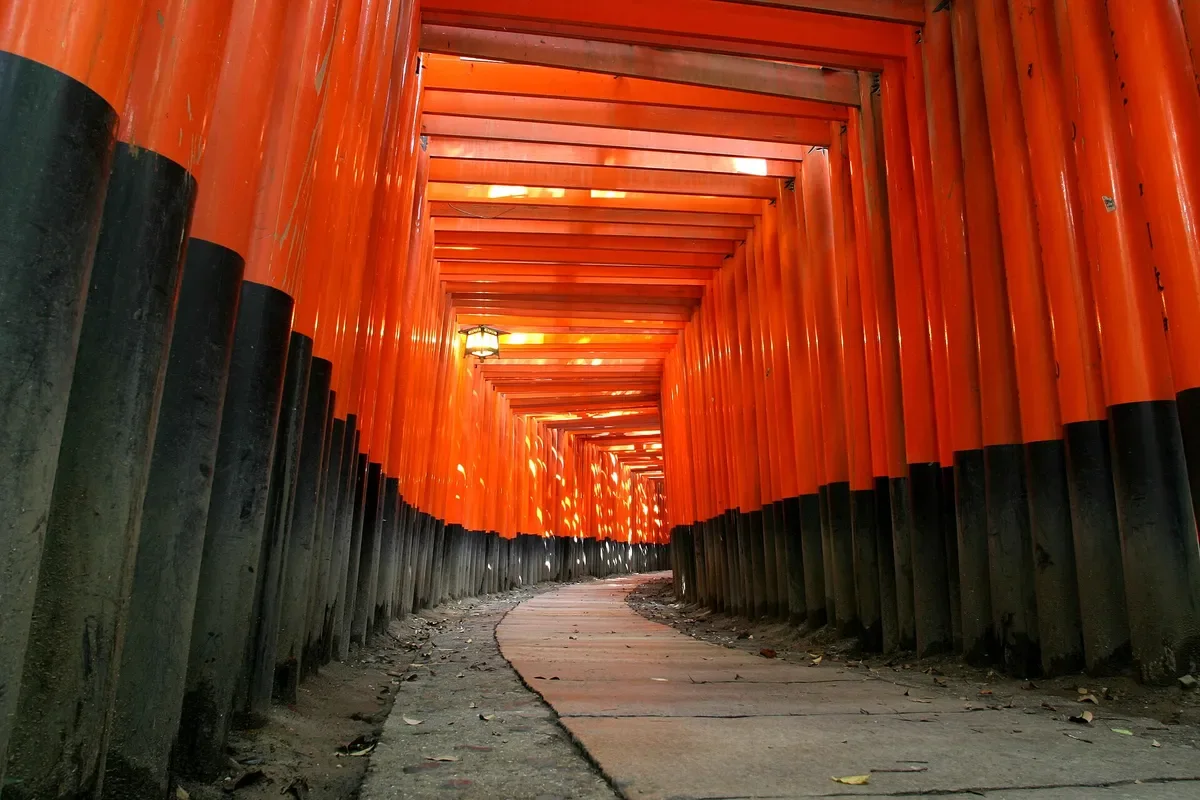
Fushimi Inari is free, unstaffed at night and open at any hour — the full loop up Mount Inari and back takes two to three hours, and the crowd thins about fifteen minutes past the first big torii gates. To-ji, five minutes from Kyoto Station, charges $5 (¥800) for the Kondo and Kodo halls and opens the interior of Japan's tallest wooden pagoda only during its special seasons. North of the city, Kurama and Kibune charge a $3.13 (¥500) mountain fee, and the little cable car is not a fare at all but a $1.25 (¥200) donation.

What Kyoto's headline sights cost at the gate

Adult admission read off each temple's or castle's own website on 30 August 2026. Prices are in US dollars, converted from the official yen figure at ¥160 = $1 (the ECB reference rate of 28 August 2026) and shown with that yen figure in brackets. None of these is a timed ticket and none needs booking, with the single exception noted in the last column.

Sight Adult Hours Book ahead?
Fushimi Inari Free Open at all hours, all year No — never closes
Kinkaku-ji $3.13 (¥500) 09:00–17:00, no closed days No
Ginkaku-ji $6.25 (¥1,000) 08:30–17:00 Mar–Nov; 09:00–16:30 Dec–Feb No
Ryoan-ji $3.75 (¥600) 08:00–17:00 Mar–Nov; 08:30–16:30 Dec–Feb No
Sanjusangen-do $3.75 (¥600) 08:30–17:00 to 15 Nov; 09:00–16:00 after No
Tenryu-ji $3.13 (¥500) garden / $5 (¥800) with halls 08:30–17:00, last entry 16:50 No
Nijo Castle $5 (¥800) grounds / $8.13 (¥1,300) with Ninomaru 08:45–16:00, gates shut 17:00 Honmaru Palace only: $6.25 (¥1,000), web reservation
To-ji $5 (¥800) halls / $7.5 (¥1,200) combined 08:00–17:00, reception to 16:30 No

Kiyomizu-dera is missing from this table on purpose: the temple publishes hours, access, group rules and its disability exemptions, but nowhere on its own site does it print the admission fee. We would rather leave a gap than repeat a number we cannot source. The full list, including the museums and the castles' extra rooms, is on the tickets page.

What visitors book first in Kyoto

Kyoto's temples do not sell tours, so everything here is a guided walk, a workshop or a bus that saves you a transfer. Prices are the platform's listing in USD, read on 30 August 2026; the operator charges in your own currency at checkout.

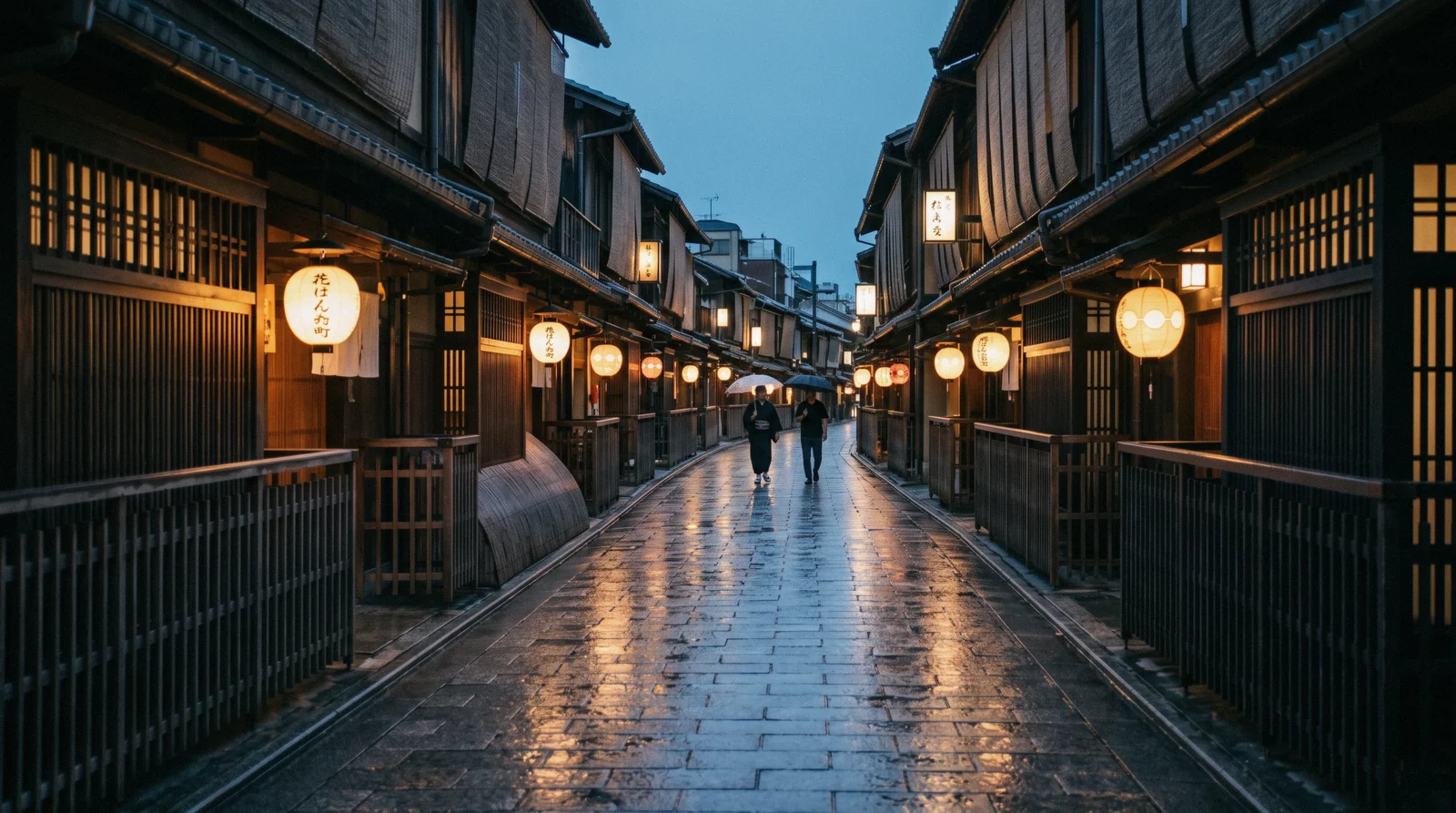
Lantern-lit teahouse fronts on Hanamikoji in Gion on a guided evening walking tour, Kyoto Japan from $18.74

Kyoto: Gion Geisha District & Hidden Gems Walking Tour

★★★★★ ★★★★★ 4.7(4,561 reviews)· 2 hours

Listing details checked 2026-08-30

Gion's most reviewed walk, and it starts at Shirakawa rather than the crowded lane. Two hours through Hanamikoji, Yasui Kompira-gu, Hokan-ji and Nene-no-Michi with a guide who explains what the ochaya actually are.

  • Immerse yourself in the enchanting atmosphere of Gion
  • Stroll the real Gion streets that inspired the world's most famous geisha story
  • See elegantly dressed Geisha as they make their way to appointments
  • Discover hidden gems along the way at off the beaten path spots
Check Availability
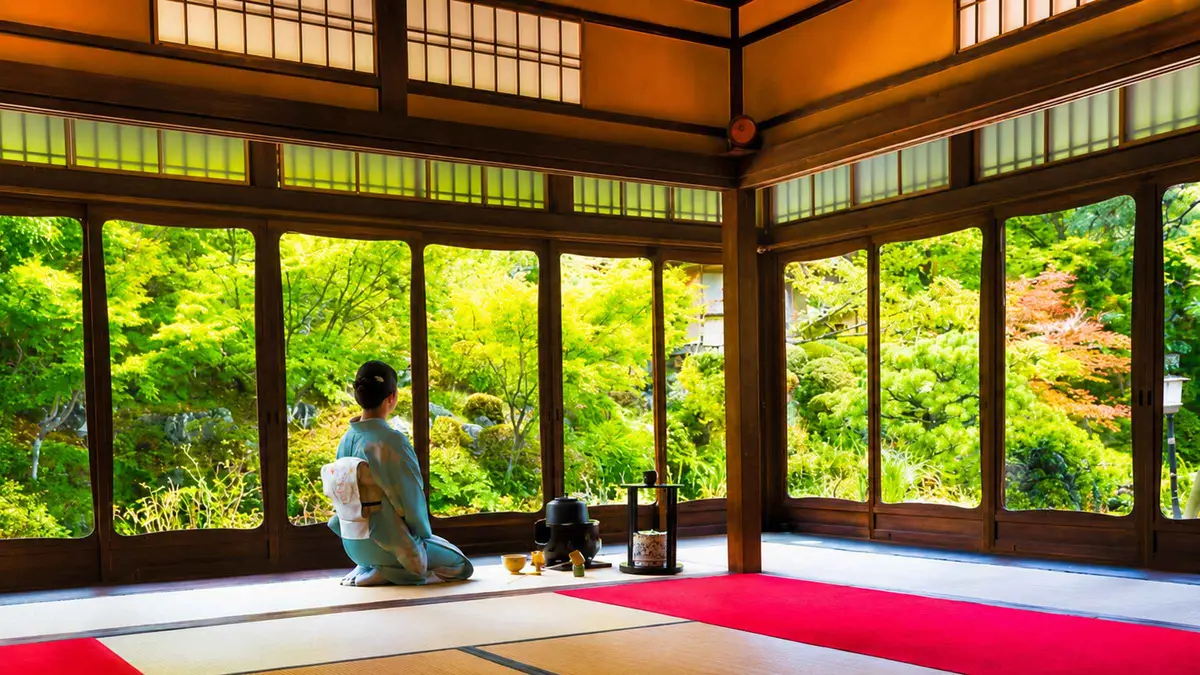
Guest whisking matcha in a tatami tea room overlooking a garden near Kiyomizu-dera, Kyoto Japan from $48.10

Kyoto: Tea Ceremony in a Garden Tea House near Kiyomizu-dera

★★★★★ ★★★★★ 4.8(4,354 reviews)· 45 minutes

Listing details checked 2026-08-30

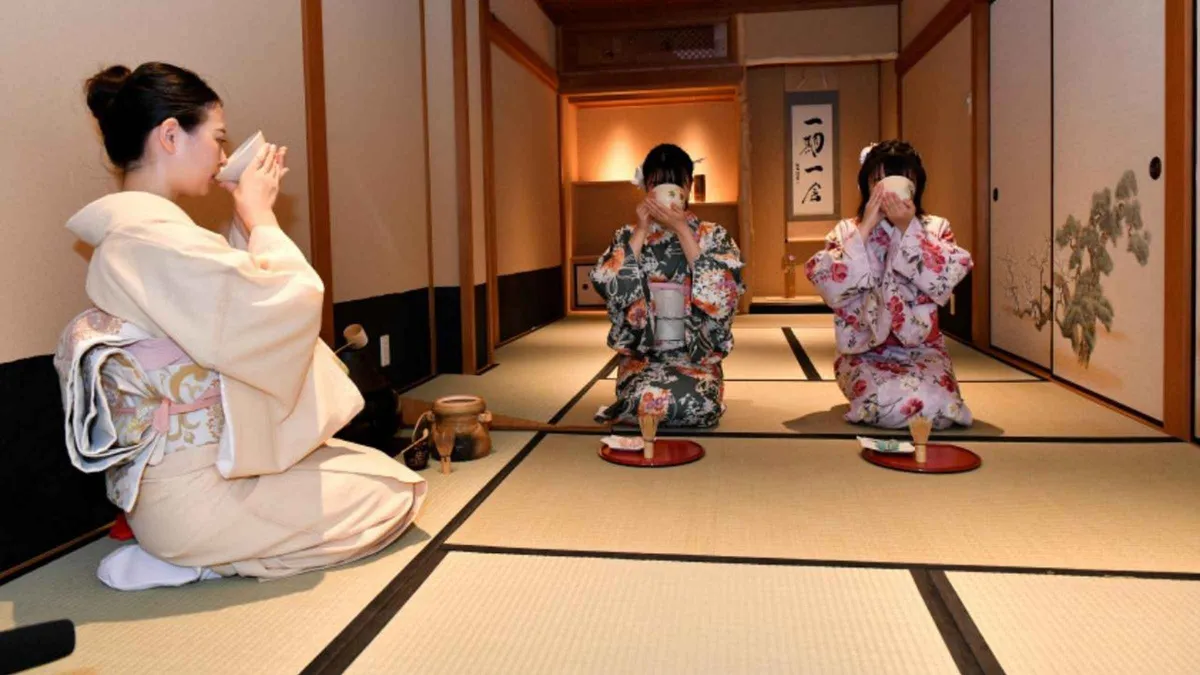
Forty-five minutes in a garden tea house minutes from Kiyomizu-dera: two bowls of Uji matcha, one made for you and one you whisk yourself, with a wagashi. Small groups, and it books out in the blossom weeks.

  • Savor Japan's changing seasons in the timeless elegance of our historic garden
  • Experience an authentic Japanese tea ceremony overlooking a beautiful garden
  • Immerse yourself in a tranquil Zen atmosphere and the tea master's graceful art
  • Enjoy a traditional Japanese sweet and matcha prepared by our tea master
Check Availability
Empty bamboo path in Arashiyama at sunrise on an early-morning guided tour of Kyoto, Kyoto Japan from $63.75

Kyoto: Early Morning Tour of Fushimi Inari, Arashiyama and Kinkakuji

★★★★★ ★★★★★ 4.9(1,593 reviews)· 6 hours

Listing details checked 2026-08-30

Starts before the crowds: Fushimi Inari, Arashiyama's bamboo and Kinkaku-ji in six hours with an English-speaking guide and lunch. The early slot is the whole point — these three are unrecognisable after 10:00.

  • Marvel at the best of Kyoto's famous, most-visited sights on this guided tour
  • Immerse yourself in all the city has to offer before the crowds get there
  • Make the most of your time with an early start and be finished by lunch
  • Pause for a moment of contemplation and reflection at the Fushimi-Inari Shrine
Check Availability
Ninomaru Palace and the Kara-mon gate at Nijo Castle on a guided castle tour, Kyoto Japan from $15.62

Kyoto: Nijo-jo Castle and Ninomaru Palace Guided Tour

★★★★★ ★★★★★ 4.7(1,210 reviews)· 1 hour

Listing details checked 2026-08-30

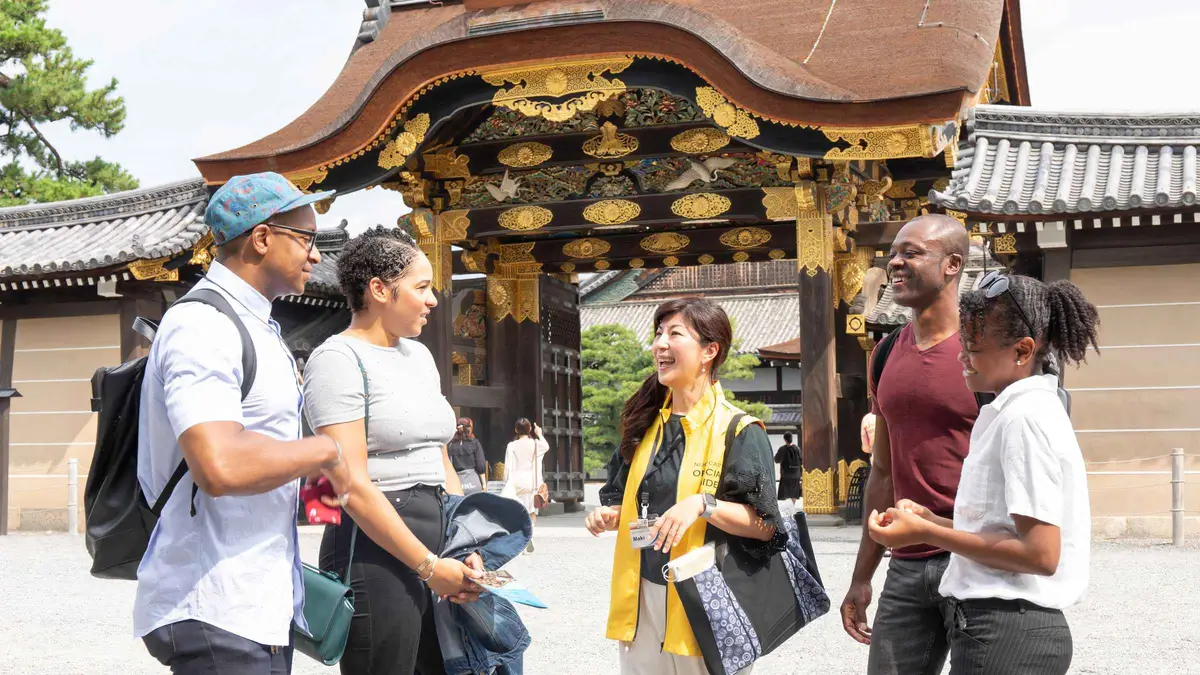
Sixty minutes inside Nijo Castle with an official guide, including access to rooms most visitors walk past, and the nightingale floors explained rather than just heard. Admission is on top at the gate.

  • Explore the best example of Japan's feudal-era architecture
  • Join this guided tour for unique insight into one of Japan's most significant historical and cultural assets
  • Get exclusive access to a part of the castle normally unavailable to the public
Check Availability
Hands shaping wooden chopsticks at a craft workshop in Gion, Kyoto Japan from $6.25

Kyoto: Gion Chopsticks Making Class with Engraving Option

★★★★★ ★★★★★ 4.9(3,915 reviews)· 30 minutes

Listing details checked 2026-08-30

Half an hour in a Gion workshop shaping your own pair of chopsticks from raw wood, with an engraving option. Under ten dollars, and the most-reviewed workshop in the city.

  • Select your ideal wood from a variety of different kinds
  • Smooth the surface and edges with sandpaper to bring out the natural beauty
  • Have your name engraved (additional charge)
  • Feel the texture and warmth of the wood as you carve your chopsticks
Check Availability
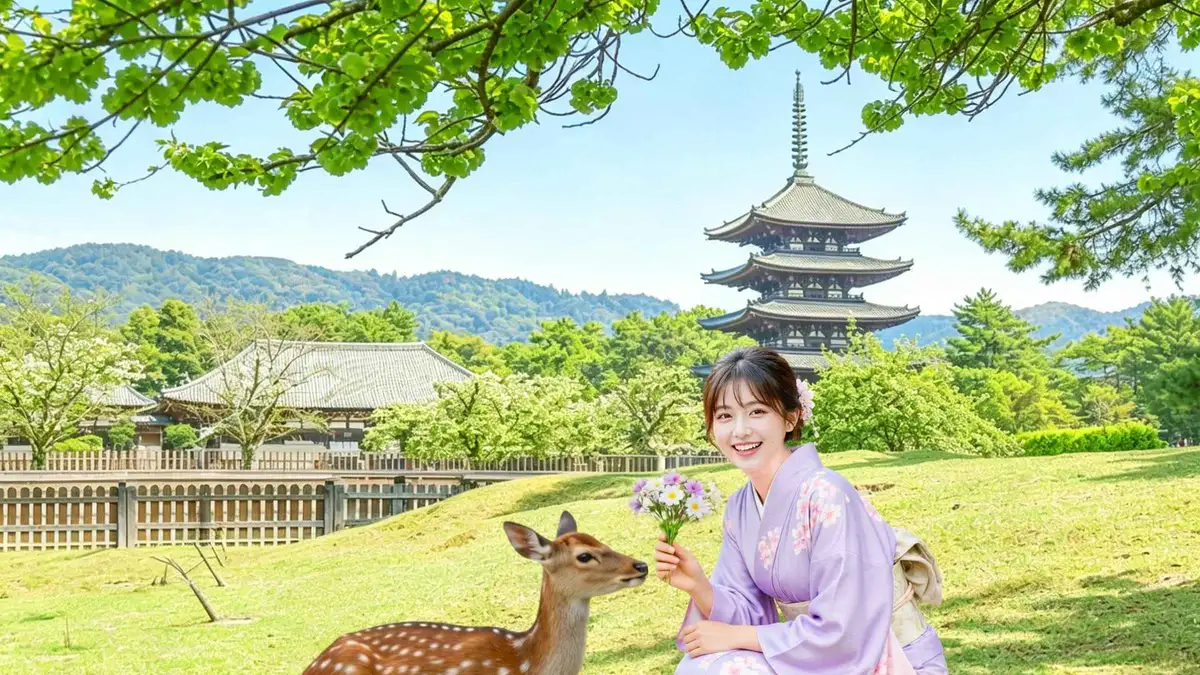
Visitors feeding deer beside Todai-ji in Nara on a Kyoto day tour, Kyoto Japan from $50.75

Kyoto/Osaka: Nara, Fushimi Inari Taisha, Arashiyama Bus Tour

★★★★★ ★★★★★ 4.7(3,058 reviews)· 9 - 10 hours

Listing details checked 2026-08-30

The classic combination day: Nara's deer and Todai-ji, Fushimi Inari's Senbon Torii and the Arashiyama bamboo, on an air-conditioned coach with an English and Chinese guide.

  • Feed, pet, and play with cute deer, the divine messengers at Nara Park
  • Step into vibrant vermillion torii gates and feel the mysterious atmosphere
  • Seek flourishing careers and endless prosperity at Fushimi Inari Taisha
  • Wander the serene bamboo forest, where towering stalks whisper with Zen calm
Check Availability
Guests in kimono preparing matcha at a tea ceremony in Gion, Kyoto Japan from $48.10

Kyoto: Kimono Tea Ceremony at Orizuruya Gion

★★★★★ ★★★★★ 4.9(1,816 reviews)· 1.5 - 2 hours

Listing details checked 2026-08-30

Kimono, hairstyling and a small-group tea ceremony in one Gion booking — you whisk your own matcha in the elegant room rather than watching. Runs an hour and a half to two hours.

  • Immerse yourself in Japanese culture without the fear of faux pas
  • Experience a small-group setting (maximum 10 guests)
  • Enjoy wearing a kimono—an expert helps you dress
  • Leave with a new skill in matcha preparation
Check Availability
Small plates and drinks at an izakaya counter on a Gion and Pontocho food tour, Kyoto Japan from $69.96

Kyoto: Gion & Pontocho Food Tour with 13 Dishes

★★★★★ ★★★★★ 4.9(492 reviews)· 3 hours

Listing details checked 2026-08-30

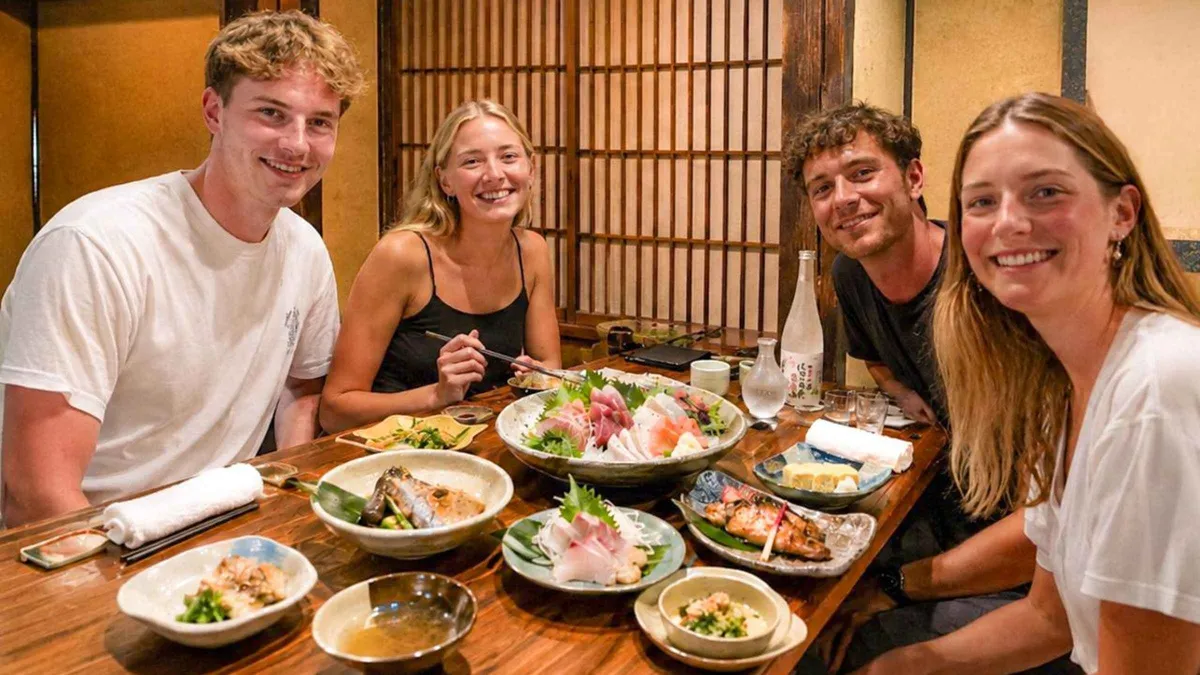
Thirteen dishes across a restaurant and an izakaya in Gion and Pontocho, with two drinks and a local guide. Three hours, small group, and it solves the first evening's no-reservation problem.

  • Explore Kyoto’s hidden streets and local flavors
  • Enjoy up to 13 traditional Japanese dishes, ranging from tempura to sashimi
  • Immerse yourself in Kyoto's rich culture, culinary history, and traditions
  • Connect with fellow travelers in a small-group setting
Check Availability

How many days Kyoto needs

Built from walking distances and the opening hours in the table above, not from a feeling. Each row assumes you are staying in Kyoto, starting at 08:00 and using buses rather than taxis.

You have What fits What you give up Where to read it
One day Higashiyama in the morning, Fushimi Inari in the late afternoon Arashiyama, the north, every day trip Kyoto in one day
Two days Add Arashiyama and either Kinkaku-ji or Nijo Castle Nara, Uji, the northern mountains Kyoto in two days
Three days East, west, north — and one full day trip The coast; Amanohashidate needs its own overnight Kyoto in three days
Four or more Kurama and Kibune, Uji, an evening in Pontocho with nothing booked Very little Day trips

The people who run out of time are almost always the ones who put Arashiyama and Higashiyama on the same day. They are on opposite sides of the city and the bus between them takes about 50 minutes in traffic.

Three routed days

Each itinerary places the free, un-bookable sights in the hour they are worth seeing, and the paid ones when the queue is shortest.

Kyoto in one day

Kiyomizu at 06:30, the Higashiyama lanes before the shops open, Sanjusangen-do at lunch, Fushimi Inari at golden hour.

About 9 km on foot, $7.5 (¥1,200) in fees

Kyoto in two days

Day one east, day two west: Arashiyama at 08:00, Tenryu-ji, the river, then Kinkaku-ji on the way back.

One Subway & Bus pass covers day two

Kyoto in three days

The two days above plus Nara or Uji, with the trains timed so the deer park is not at its busiest.

Nara: 45 minutes each way

Eating in Kyoto without a reservation

Kyoto's famous restaurants take bookings months ahead; the city's actual daily eating does not need any.

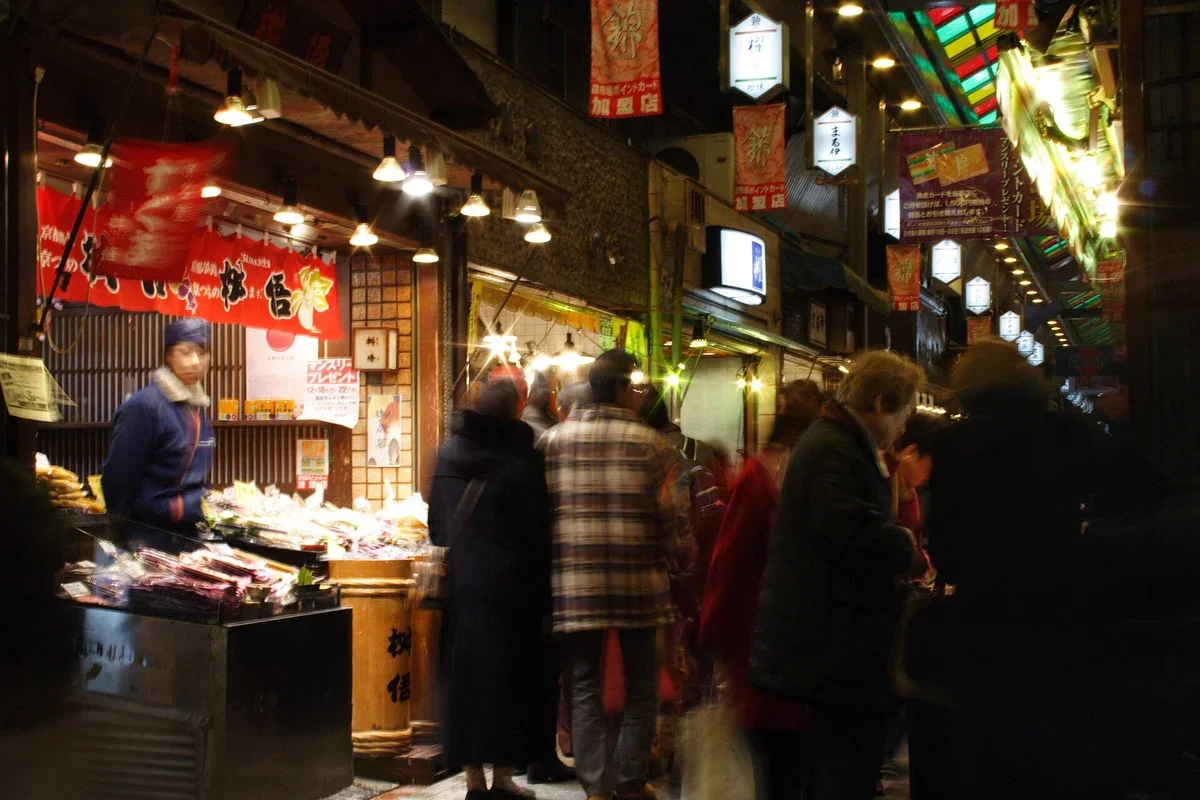
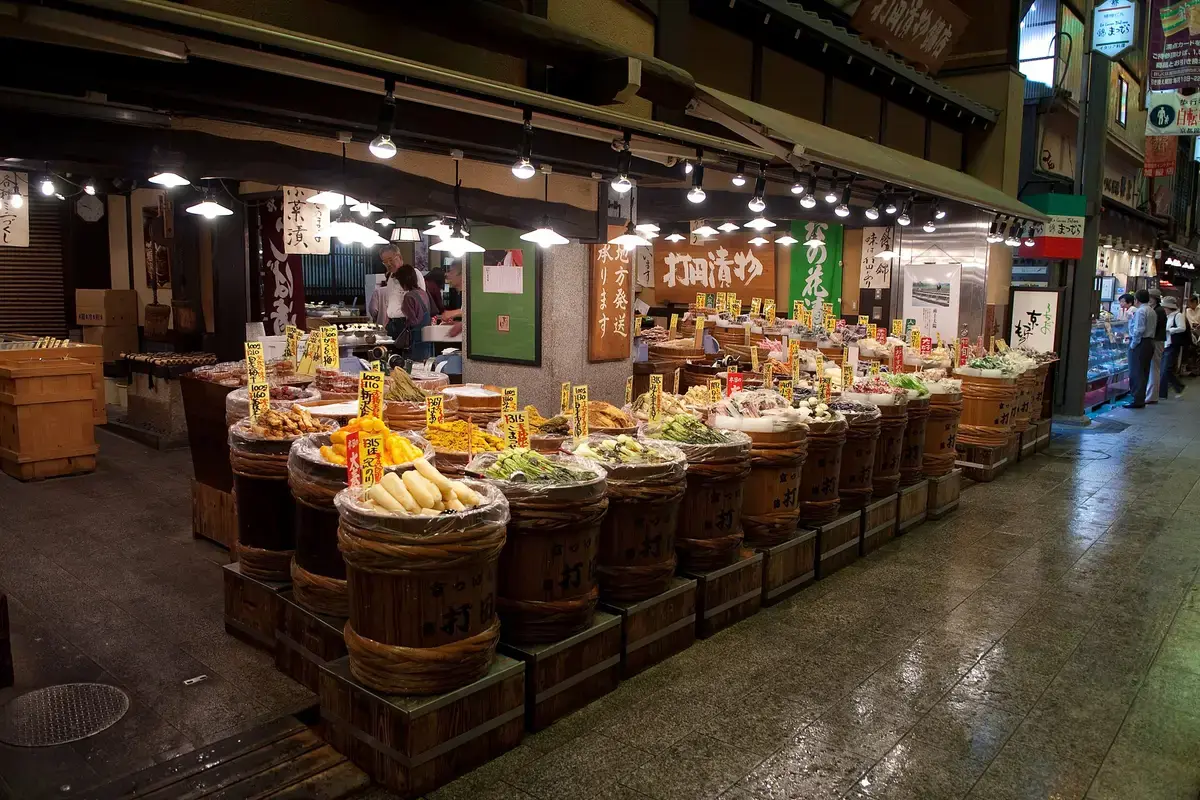
The three layers are the market, the arcade basements and the alleys. Nishiki Market is the first: 390 metres of stalls that have been feeding the city for about four hundred years, standing-room tastings rather than a meal, and no published opening time — plan for late morning to late afternoon and expect a scattering of Wednesday closures. The department-store basements at Shijo, the depachika, sell the same quality with air conditioning and no queue. In the evening, Pontocho and the lanes off Kiyamachi are where a table without a reservation is genuinely possible, especially before 18:00.

  • Kaiseki at the famous houses: book two to three months out, or eat the same kitchen's lunch at a third of the price
  • Vegetarian and vegan travellers should read the dietary page before relying on shojin ryori — the temple cuisine is genuinely vegan, but dashi is in almost everything else
  • A food tour of Gion and Pontocho is the shortcut for a first evening; a Nishiki tasting walk is the shortcut for a first morning

The dates that change a Kyoto trip

Four fixed points in the year move prices, crowds and what is even open. Two of them are in 2026 only.

Four fixed points in the year move prices, crowds and what is even open — and two of the four are one-off changes that land in 2026. The dates below come from Kyoto City's own event pages and its tax notice of 3 October 2025; the rainfall is our ERA5 computation.

WhenWhat happensWhat it does to a tripSource read
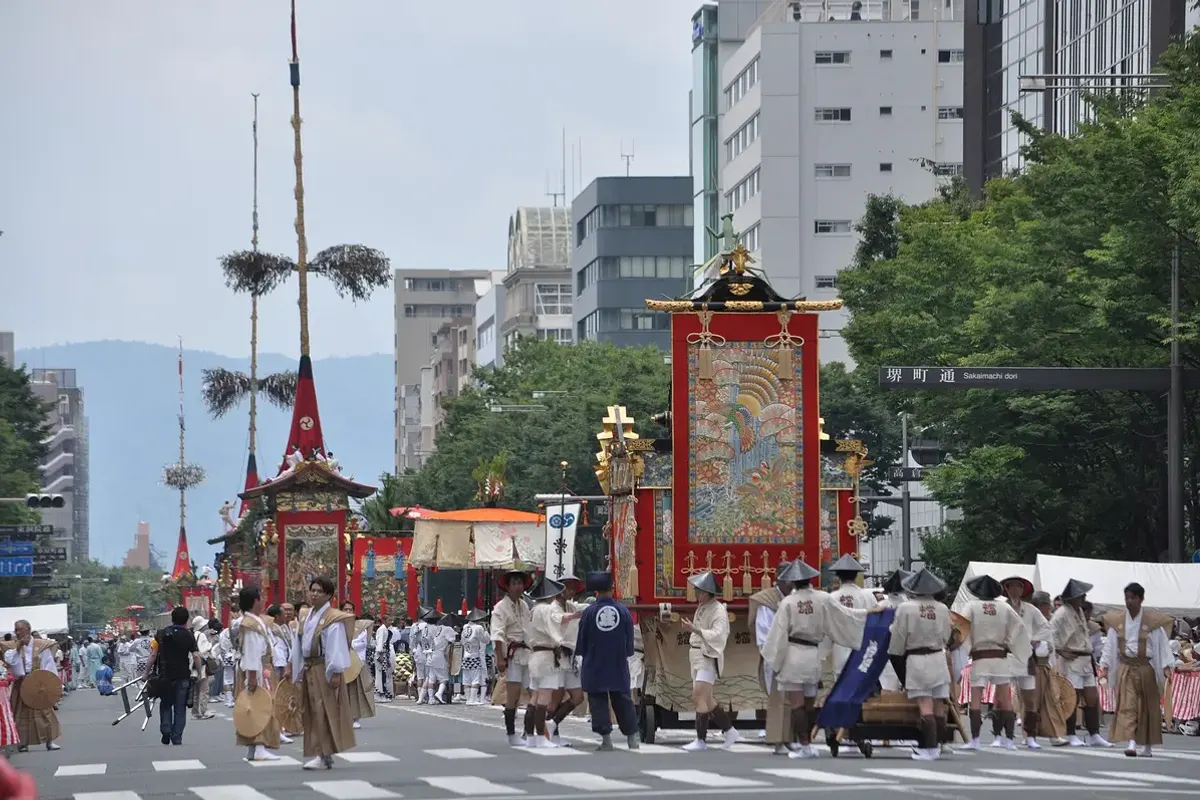
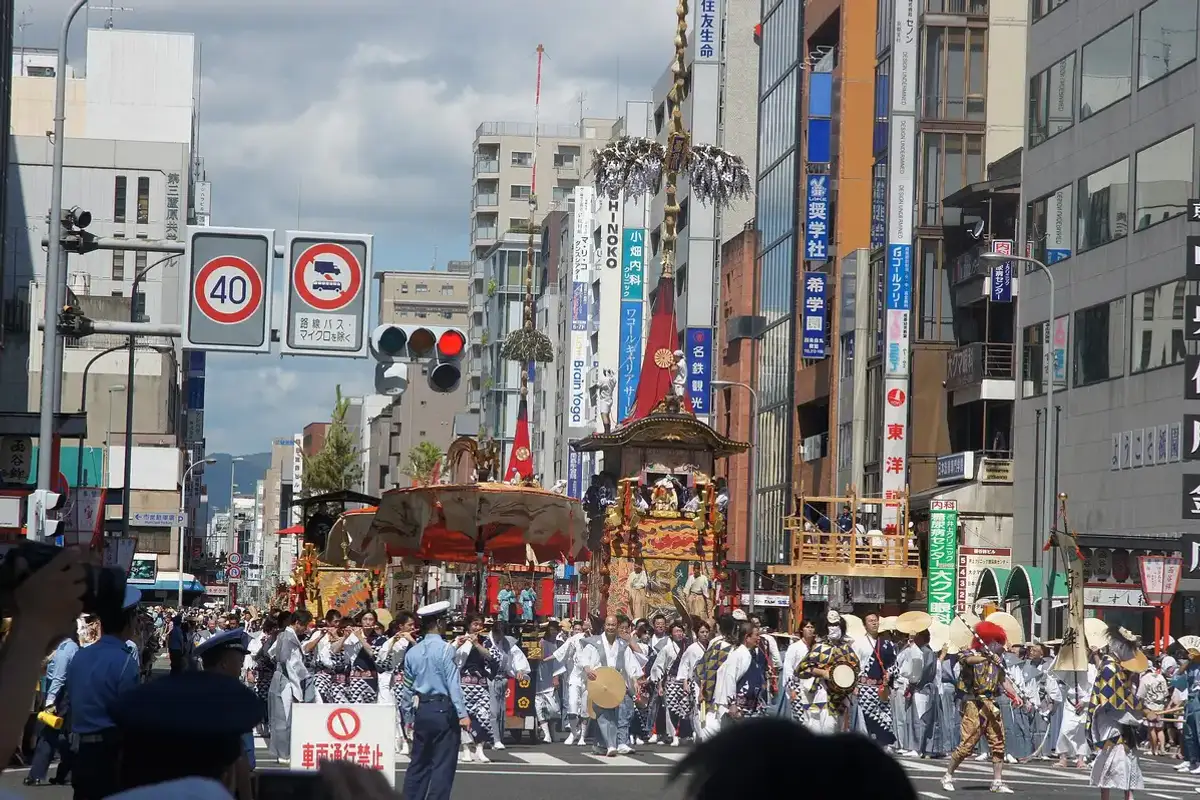
1–31 July 2026Gion Matsuri. Processions Friday 17 July 09:00 from Shijo-Karasuma and Friday 24 July 09:30 from Karasuma-Oike; yoiyama evenings 14–16 and 21–23 JulyCentral hotel prices roughly double for two weeks, and July is the wettest month — 245 mm over about 17 rainy daysja.kyoto.travel, 30 Aug 2026
Mid-Nov to early DecAutumn colourThe busiest weeks of the Kyoto year, busier than blossom; a 20-minute bus becomes 50Our reading — no official count exists
Late Mar to early AprCherry blossomShorter and far less predictable than the autumn window; see the month-by-month pageERA5 1995–2024, computed 30 Aug 2026
1 March 2026Accommodation tax rises: the $125–312 (¥20,000–50,000) band doubles to $6.25 (¥1,000) and $312–625 (¥50,000–100,000) quadruples to $25 (¥4,000) per person per nightTwo people in a $375 (¥60,000) ryokan pay $50 (¥8,000) a night in tax instead of $12.5 (¥2,000)city.kyoto.lg.jp, decided 3 Oct 2025
1 October 2026Kyoto Tower raises the observation deck from $5.63 (¥900) to $6.25 (¥1,000)Marginal, but it dates every guide that does not carry itkyoto-tower.jp, 30 Aug 2026

What actually goes wrong in Kyoto

Five failures account for most of the lost hours here, and none of them is about choosing the wrong temple.

  • Following an old bus-pass recommendation. The bus-only one-day ticket stopped being sold on 30 September 2023 and stopped working on 31 March 2024. Any guide that still recommends it was not checked after that date.
  • Putting east and west on the same day. Higashiyama to Arashiyama is about 50 minutes by bus in traffic, and that traffic is worst exactly when you want to move.
  • Arriving at the bamboo grove at 10:00. It is free and never closes; the only thing that changes is the number of people in it.
  • Expecting to book temple entry online. Almost nothing is bookable. Turning up with cash and an IC card is the system, not a fallback.
  • Assuming Monday closures. Kyoto's temples mostly do not close on Mondays; the museums do. Which closes when is the page that saves the wasted walk.

Kyoto month by month

Average daily high temperature in Celsius with the Fahrenheit reading underneath, computed here from the Open-Meteo ERA5 reanalysis for 35.01 N, 135.77 E over 1 January 1995 to 31 December 2024 and calculated on 30 August 2026. Kyoto sits in a basin: it holds heat in August and cold air in January more than the coast does.

August is the hottest month at 31.3 °C, but July is the wet one: 245 mm over 17.2 rainy days against August's 155 mm. Full table below.

Kyoto weather, crowds and what is on

Temperature and rainfall are our own computation from the ERA5 reanalysis for the city centre over 1995–2024, run on 30 August 2026; a rainy day is one with at least 1 mm. The crowd column is our reading of the calendar, not an official figure — Kyoto publishes no monthly visitor count.

Month Average high Rain Rainy days What it means
January 7.6 °C (46 °F) 63 mm 7.9 Cheapest month; some sub-temples close for winter
February 8.8 °C (48 °F) 71 mm 8.7 Cold, clear, quiet; plum blossom at the end
March 12.8 °C (55 °F) 123 mm 12.3 Blossom builds from about the 25th
April 18.1 °C (65 °F) 139 mm 11.6 Blossom peak and the first crowd wave
May 22.8 °C (73 °F) 169 mm 11.8 The best walking weather of the year
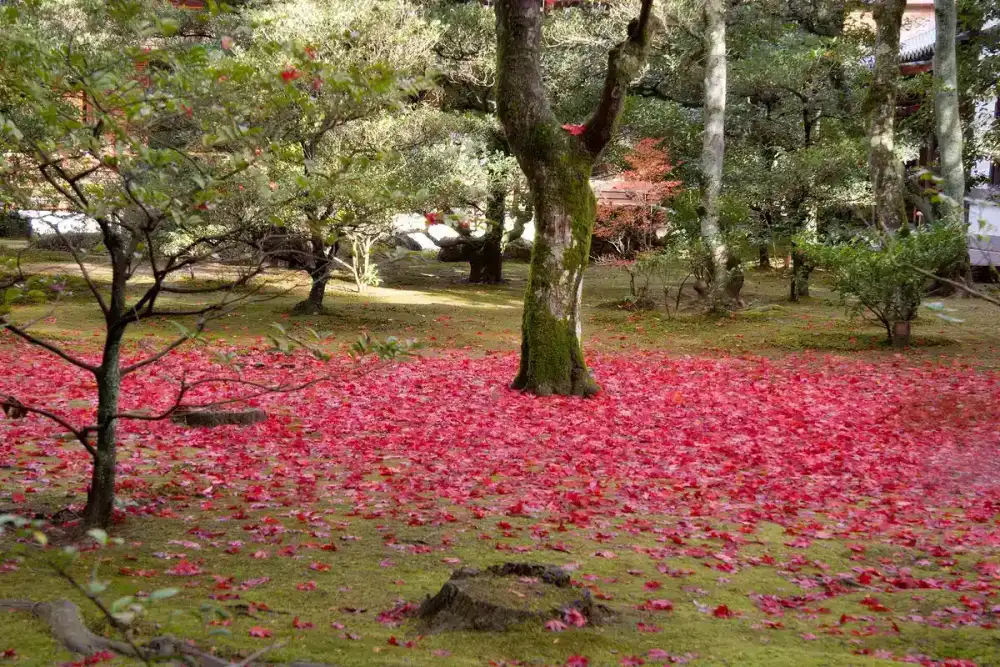
June 26.2 °C (79 °F) 205 mm 14.4 Rainy season; the moss gardens are at their best
July 29.7 °C (85 °F) 245 mm 17.2 Wettest month, and Gion Matsuri all month
August 31.3 °C (88 °F) 155 mm 13.6 Hottest month; the basin holds the heat past sunset
September 27.2 °C (81 °F) 183 mm 13.2 Still hot, typhoon risk, prices dip
October 21.4 °C (71 °F) 161 mm 9.9 Second-best walking month; colour starts late
November 15.8 °C (60 °F) 87 mm 7.6 Autumn colour — the busiest weeks of the year
December 10.0 °C (50 °F) 64 mm 7.4 Colour lingers to about the 7th, then the city empties

Read the two wet months carefully: June and July are wet in volume, not in duration — the rain arrives in bursts, and the gardens are the reason to be here in June.

Getting around Kyoto, and the pass that no longer exists

Kyoto is a bus city with two subway lines through the middle. The single most common piece of outdated advice about it concerns a ticket that has not been sold since 2023.

The city withdrew the bus-only one-day pass: sales ended on 30 September 2023 and the last valid travel day was 31 March 2024. What remains is the Subway & Bus 1-day pass at $6.88 (¥1,100) (child $3.44 (¥550)), the subway-only 1-day pass at $5 (¥800) (child $2.5 (¥400)), or paying per ride with an IC card. A flat city-bus ride is $1.44 (¥230), so the combined pass pays for itself somewhere around the fifth journey — which most itineraries reach only on an Arashiyama or Kinkaku-ji day.

On a Higashiyama walking day, the pass loses money.

TicketAdultCoversWorth it when
Subway & Bus 1-day pass$6.88 (¥1,100)Both subway lines, all city buses, some Kyoto/Keihan/JR busesFour or more bus rides, or any Arashiyama day
Subway 1-day pass$5 (¥800)Karasuma and Tozai lines onlyA Nijo Castle and downtown day — it also takes $0.63 (¥100) off Nijo's own ticket
IC card, pay as you go$1.44 (¥230) a bus rideEverything, including trains to Uji and FushimiWalking days in Higashiyama
Bus-only 1-day passWithdrawnNothing — sales ended 30 September 2023Never; it stopped working on 31 March 2024

Two exclusions catch people. Kurama, Kibune and Ohara sit outside the flat-fare bus zone, so neither pass takes you there in full — Kurama is an Eizan Railway trip from Demachiyanagi, and Kurama-dera's cable car is a $1.25 (¥200) donation rather than a fare. And the subway pass carries same-day discounts worth having: $0.63 (¥100) off Nijo Castle, $0.63 (¥100) off the city zoo, and the Botanical Garden at $2.5 (¥400) instead of $3.13 (¥500). The full transport page has the fares, the IC-card rules and the airport options.

What a day in Kyoto costs

Fees are low here and transport is cheap; the two things that move the total are the room and the evening meal.

Fees are low here and transport is cheap; the two things that move the total are the room and the evening meal. The day below is a real one — three paid temples, a day pass and a lunch — priced from the official figures elsewhere on this page and converted at ¥160 = $1.

ItemYenNote
Three temple admissions (Kinkaku-ji, Ryoan-ji, Ginkaku-ji)$13.13 (¥2,100)Cash or IC card at the window; no advance sale
Subway & Bus 1-day pass$6.88 (¥1,100)Worth it from about the fifth ride
Lunch, market or noodle counter$7.5 (¥1,200)A depachika bento runs about the same
Sightseeing day, before dinner and bed$27.5 (¥4,400)Add $18.75–37.5 ($18.75 (¥3,000)–6,000) for dinner outside the famous houses
Accommodation tax, from 1 March 2026$1.25–62.5 ($1.25 (¥200)–10,000)Per person per night, by nightly rate band

The hotel side is where Kyoto earns its expensive reputation, and it changes on 1 March 2026 when the tax bands move to $1.25 (¥200) / $2.5 (¥400) / $6.25 (¥1,000) / $25 (¥4,000) / $62.5 (¥10,000) a person a night. The costs page works the bands through with examples at each level.

Day trips people book from Kyoto

Nara, Uji and Osaka are easy on your own; the coast is not, which is where a bus that leaves at 08:00 and handles four transfers earns its price. Listed in USD, read on 30 August 2026.

Visitors feeding deer beside Todai-ji in Nara on a Kyoto day tour, Kyoto Japan from $50.75

Kyoto/Osaka: Nara, Fushimi Inari Taisha, Arashiyama Bus Tour

★★★★★ ★★★★★ 4.7(3,058 reviews)· 9 - 10 hours

Listing details checked 2026-08-30

The classic combination day: Nara's deer and Todai-ji, Fushimi Inari's Senbon Torii and the Arashiyama bamboo, on an air-conditioned coach with an English and Chinese guide.

  • Feed, pet, and play with cute deer, the divine messengers at Nara Park
  • Step into vibrant vermillion torii gates and feel the mysterious atmosphere
  • Seek flourishing careers and endless prosperity at Fushimi Inari Taisha
  • Wander the serene bamboo forest, where towering stalks whisper with Zen calm
Check Availability
The Great Buddha Hall at Todai-ji on a half-day guided bus tour from Kyoto, Kyoto Japan from $74.96

From Kyoto: Nara History Guided Half-Day Bus Tour with Lunch

★★★★★ ★★★★★ 4.7(193 reviews)· 6 hours

Listing details checked 2026-08-30

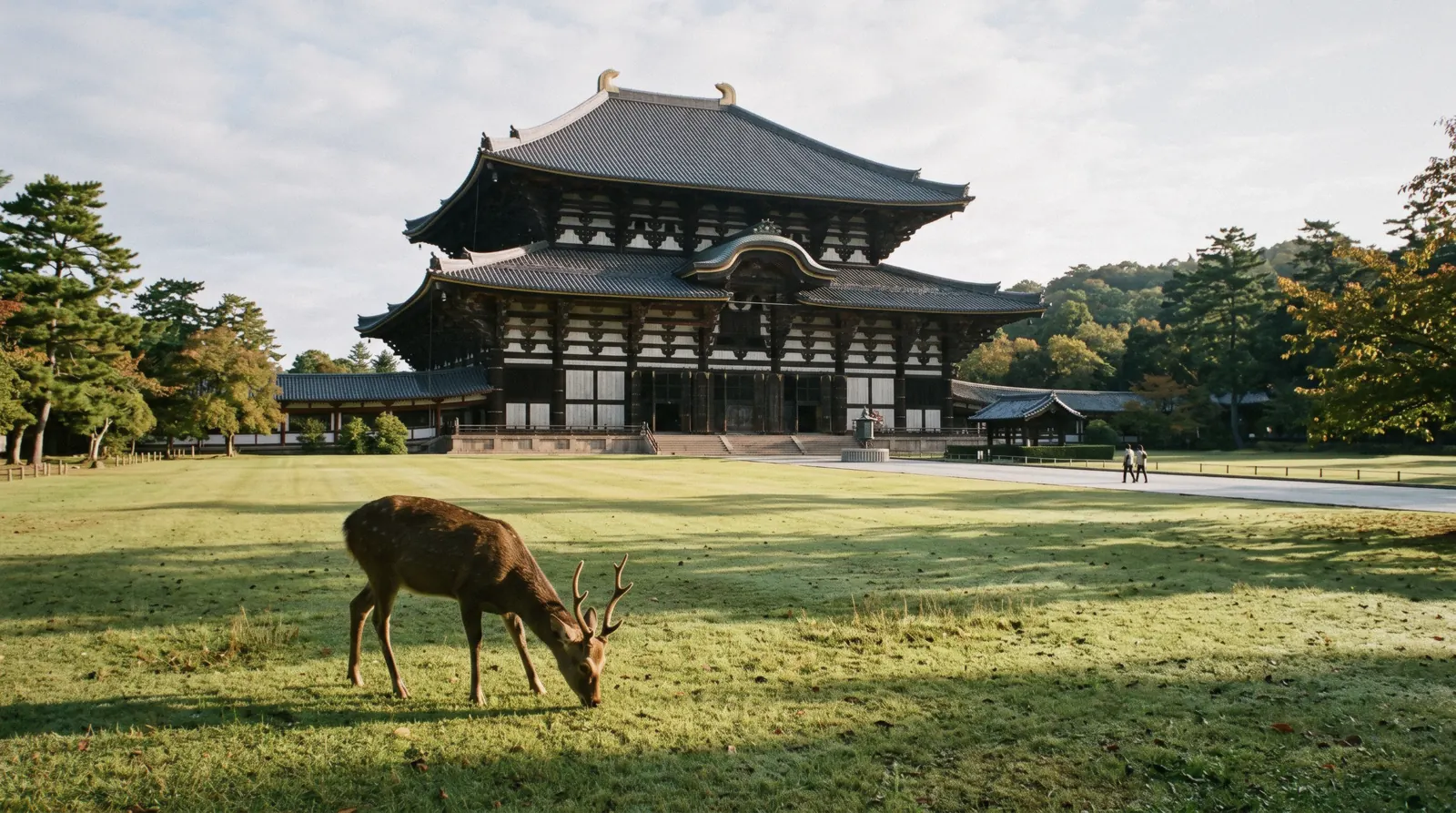
Half a day rather than a whole one: the Great Buddha Hall at Todai-ji with its entrance fee, Nara Park and Kasuga Taisha, with lunch and an English guide, back in Kyoto by mid-afternoon.

  • Explore Nara city from Kyoto
  • Enjoy seeing friendly and charming deer
  • Visit the famous Kasuga Taisha Shrine
  • Enjoy an included Japanese-style lunch
Check Availability
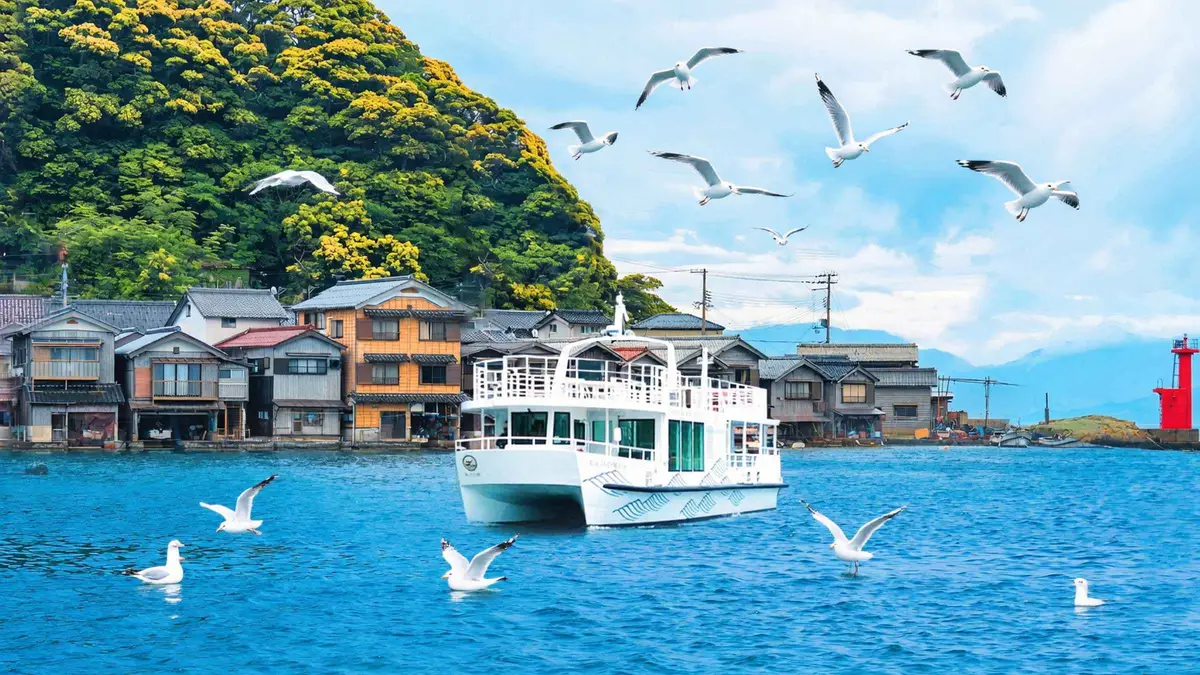
Sightseeing boat passing the funaya houses of Ine Bay on a day trip from Kyoto, Kyoto Japan from $50.60

Kyoto/Osaka: Amanohashidate & Ine Funaya & Ine Bay Day Tour

★★★★★ ★★★★★ 4.8(679 reviews)· 10 hours

Listing details checked 2026-08-30

The coast without Miyama: the Amanohashidate cable car, Ine Bay's Edo-era boathouses and a cruise, at the same price as the three-stop version but with more time at each.

  • Cruise Ine Bay’s serene waters, amid funaya boathouses and playful seagulls
  • Explore Ine fishing village charm with traditional wooden architecture
  • Soar above on a cable car for breathtaking Amanohashidate panoramic views
  • Seek wisdom at Chion-ji Temple—pray, draw a fan-shaped omikuji, and find calm
Check Availability
The Phoenix Hall of Byodo-in reflected in its pond at Uji on a day tour, Kyoto Japan from $48.72

Osaka: Kyoto & Nara & Uji Tour, Todaiji, Fushimi Inari Taisha

★★★★★ ★★★★★ 4.8(71 reviews)· 10 hours

Listing details checked 2026-08-30

Three places in a day: Nara's deer and Todai-ji, Uji's matcha streets and Byodo-in, then the climb at Fushimi Inari. Ten hours, bilingual guide, round-trip transfers.

  • Stroll Nara Park interact closely with the cute deer and feed them a tasty snack
  • Marvel at Todaiji colossal Vairocana Buddha in the world’s largest wooden temple
  • Stroll along Uji River, savor authentic matcha desserts on tranquil riverbank
  • Admire Byodoin Temple, a masterpiece of Heian-era Buddhist architecture
Check Availability
Kobe harbour at sunset on a three-city day trip from Kyoto, Kyoto Japan from $129

From Kyoto: Nara, Osaka & Kobe Day Trip – 3 Cities in 1 Day

★★★★★ ★★★★★ 4.5(207 reviews)· 10.5 hours

Listing details checked 2026-08-30

Nara, Osaka and Kobe in one 10.5-hour run with a bilingual English–Spanish guide, food and drink included. Ambitious by design — the sunset stop in Kobe is the reason it works.

  • Discover the vibrant energy of Osaka, the third-largest city in Japan
  • Visit Nara Park and see the charming deer that roam freely around the area
  • See the impressive Osaka Castle and its surrounding picturesque gardens
  • Enjoy a delicious meal in Osaka's Dotonbori, a bustling entertainment hub
Check Availability

Pick a district before you pick a hotel

In a city where the bus is the bottleneck, the address decides more of your trip than the room does.

Four choices cover almost everyone. Around Kyoto Station you get the trains, the airport bus and the cheapest rooms, and you pay for it with a bus ride at the start and end of every day. Downtown, around Karasuma and Kawaramachi, puts you inside the eating and shopping city with the subway underneath. Higashiyama and Gion put you inside the postcard, and inside the morning hour when the lanes are empty — the premium is real and so is the payoff. Arashiyama is a village that empties at dusk, which is either the point or a mistake, depending on the traveller.

The where-to-stay page compares the four with what a midweek double actually costs in each, and the neighbourhoods index covers the districts as places to walk rather than places to sleep.

Kyoto, Japan: the questions this guide gets

What is Kyoto known for?

Being Japan's capital for a thousand years, and keeping the buildings to prove it: seventeen sites inside the city are on one UNESCO listing, and the wooden architecture, the gardens, the tea houses and the geiko districts survive as working parts of the city rather than as museums. In practice it is known for four things a visitor can actually do — the torii tunnels at Fushimi Inari, the gold pavilion at Kinkaku-ji, the veranda at Kiyomizu-dera and the bamboo at Arashiyama — three of which are free or under $3.75 (¥600).

Is three days enough in Kyoto?

Three days covers the east, the west and one day trip without hurrying, which is the shape our three-day itinerary uses. Two days means dropping either Arashiyama or the northern temples. One day is genuinely worth doing if that is what you have — start at Kiyomizu-dera at 06:30, walk Higashiyama before the shops open and end at Fushimi Inari in the late afternoon, which is the one-day route.

Should I base myself in Kyoto or Osaka?

Kyoto, if the trip is about Kyoto. The fast train between the two takes about 15 minutes, so day-tripping in either direction works, but Kyoto's best hours are before 09:00 and after 17:00 — the empty lanes, the lit temples, the dinner alleys — and those are exactly the hours a commuter misses. Osaka is the cheaper bed and the better late-night eating; the where-to-stay page sets out the trade in numbers.

Do I need to book anything in advance for Kyoto?

Two things. Nijo Castle's Honmaru Palace sells a separate $6.25 (¥1,000) ticket by web reservation only, released 30 days ahead — the castle page covers it. And any guided experience with a small group, such as a Gion walk or a tea ceremony, fills days out in the busy months. The temples themselves are pay-at-the-gate, and the tickets page lists what each one charges.

When is the best time to visit Kyoto?

May and October, on the numbers: average highs of 22.8 °C and 21.4 °C and the shortest queues of the good-weather months. April and November are more beautiful and much busier — blossom and autumn colour respectively — and July and August are hot, with July the wettest month of the year at 245 mm. The best-time page breaks each month down against the 30-year climate record.

How much cash do I need in Kyoto?

More than in Tokyo. Temple gates take cash and increasingly an IC card, but not always a foreign credit card, and the smaller ones take cash only. Carry about $31.25 (¥5,000) a day for admissions and lunches and keep the card for hotels and department stores. The costs page has the day-by-day arithmetic and the accommodation-tax bands that change on 1 March 2026.

How this guide checks its numbers

Every figure on this site comes from the organisation that charges it, and carries the date we read it.

Admission prices and opening hours are read off each temple's, museum's or castle's own website — shokoku-ji.jp for Kinkaku-ji and Ginkaku-ji, sanjusangendo.jp, ryoanji.jp, tenryuji.com, nijo-jocastle.city.kyoto.lg.jp, toji.or.jp. Transport fares and the accommodation tax come from Kyoto City's own pages. The weather table is not copied from anywhere: it is computed here from the Open-Meteo ERA5 reanalysis for the city centre over 1995–2024.

Where an official source will not state something, we say so rather than borrow a figure — which is why Kiyomizu-dera's admission is missing from the price table above, and why we print no entry price for the Arashiyama monkey park while its own website is offline. Prices in dollars are conversions at ¥160 = $1, the ECB reference rate of 28 August 2026, and are marked as approximate everywhere they appear.

This is an independent guide. It is not a tour operator, a ticket seller or the official site of any temple. Where we link to a booking platform we may earn a commission at no extra cost to you; links to official ticket offices carry no tracking of any kind.

Start with the two decisions that shape the trip

Which days you give to the east and the west, and whether the $6.88 (¥1,100) pass earns its price on either of them.

Every fee on this site carries the date it was read off the venue's own website.

See what everything costs

Kyoto (Kyōto), Kansai, Japan at a glance

Second office
Open 08:30–19:00 daily; counter and phone guidance in Japanese, English, Chinese and Korean
City info line
+81 75-343-0548
Coordinates
35.0116, 135.7681
Time zone
JST (UTC+9), no daylight saving
Currency
Japanese yen (\u00a5)

The office, phone and email above belong to the city's own visitor service, published on the official tourism site and checked on 2026-08-30 — they are not this site's contact details. To reach us, use the contact page.

Kyoto tickets from $6.25 See the tickets compared