 Kyoto City Guide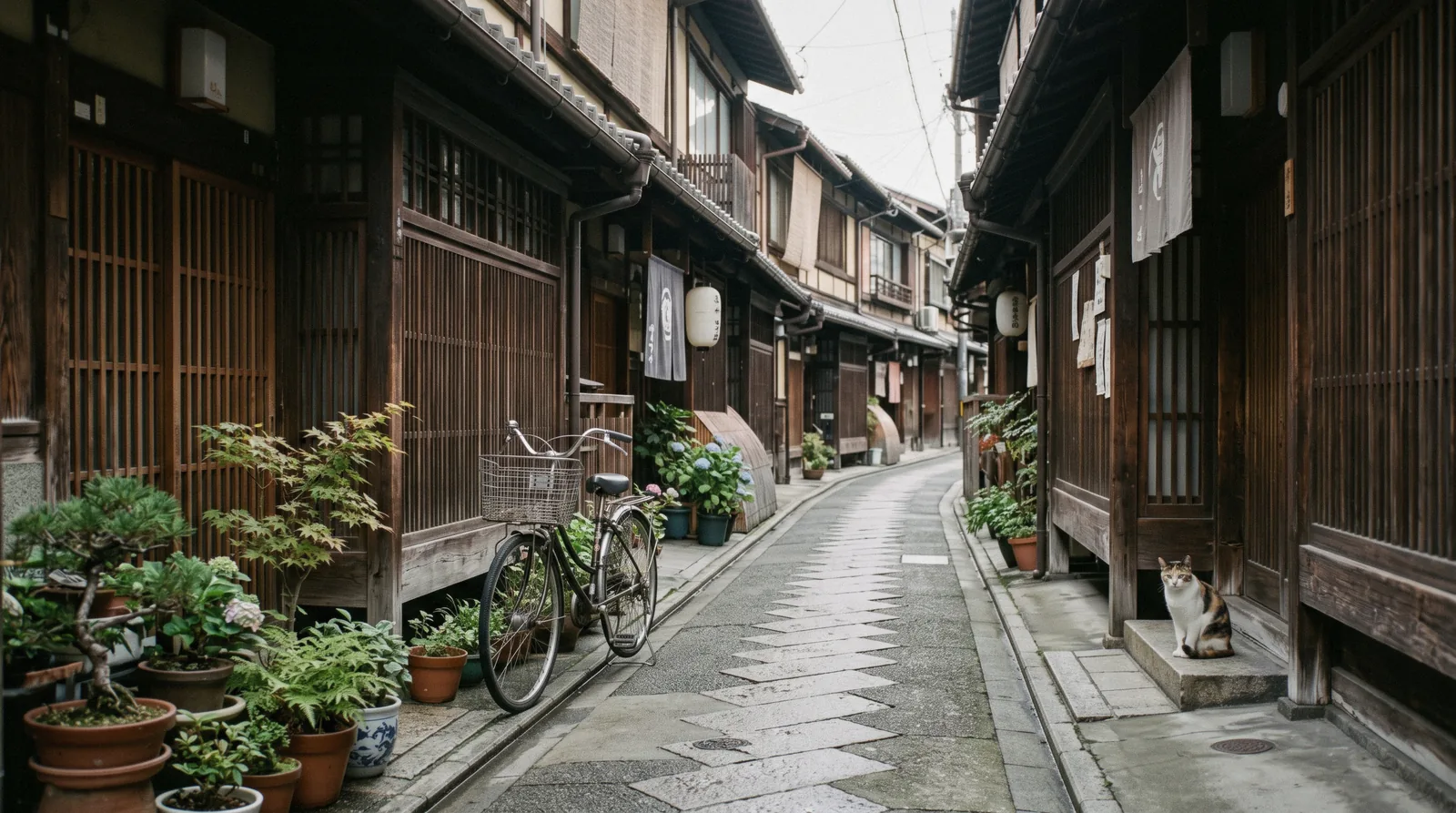
Planning a Trip to Kyoto
Kyoto travel planning comes down to six decisions, and none of them is which temple to see first. When to come, how many days to give it, where to sleep, how to move, what it will cost, and which local rules matter. This page is the index to all six, with the dated figures behind each. The sights themselves are on things to do, and the city as a whole on the page covering what to do in Kyoto.
Quick answer Six decisions, in the order they matter — in four lines
Three days is the working minimum for Kyoto and covers the east, the west and one day trip. May and October give the best weather and the smallest crowds of the good months; April and November are more beautiful and much busier. A sightseeing day costs about $27.50 (¥4,400) before dinner and the room, and almost nothing needs booking in advance.
Key takeaways
- Decide the dates first — the month-by-month page works from a 30-year climate record rather than a feeling
- Then the district: where you sleep decides how much of each day goes on buses, which is Kyoto's real currency
- Then the transport: the bus day pass was withdrawn in 2023 and half the internet has not noticed
- Book only the short list — a castle palace, a few small-group experiences, and the coach day trips
The practical pages, and what each one settles
Every page below carries the date its figures were read and the official source behind them. Prices are in US dollars converted at ¥160 = $1, with the yen figure in brackets.
| Question | Page | The short answer |
|---|---|---|
| When should I come? | Best time to visit | May and October on the numbers; April and November for the spectacle |
| How many days? | One · two · three | Three covers the city and a day trip; two means dropping a cluster |
| Where should I stay? | Where to stay | Four districts, and the choice is about bus time rather than price |
| How do I get around? | Getting around | IC card always; the $6.88 (¥1,100) pass from the fifth ride |
| What will it cost? | Kyoto costs | About $27.50 (¥4,400) a sightseeing day, plus the room and the tax |
| What do I need to book? | Tickets | The Honmaru Palace, small-group experiences, coach day trips |
| What is closed when? | Closures | Temples rarely close; museums and the Imperial Palace close Mondays |
| Where do I eat? | Where to eat | The market, the depachika halls, and the alleys before 18:00 |
If you read only two of them, read the transport page and the closures page: those are the two that cost people whole afternoons.
The shape of a Kyoto trip
The city is three clusters and a mountain, and every good plan is built around that rather than around a list.
East is a walking day: Kiyomizu-dera at 06:00, the stone lanes, Gion at dusk, no bus required. West is Arashiyama: the bamboo before eight, Tenryu-ji at half past, the river. North-west is the pavilions: Ryoan-ji at eight, Kinkaku-ji at nine, back downtown by one. South is Fushimi Inari, which belongs at the beginning or the end of a day.
What wastes time is crossing between clusters mid-morning. East to west is about fifty minutes by bus in the traffic of the hour everyone travels, and that single mistake accounts for most of the disappointed itineraries this city generates.
The two hours that decide everything
Kyoto's famous sights are free and unmanaged, which means no ticket system controls the crowd — the clock does. Before about 08:30, the bamboo path, the Higashiyama lanes and the lower Fushimi Inari gates are almost empty. After 10:00 they are not.
Nothing in this guide will improve a trip as much as one early start.
What people book when they plan
The four categories worth reserving in Kyoto — a walk, an experience, a workshop and a day trip. Prices are the platform's listings in USD.
 from $18.74
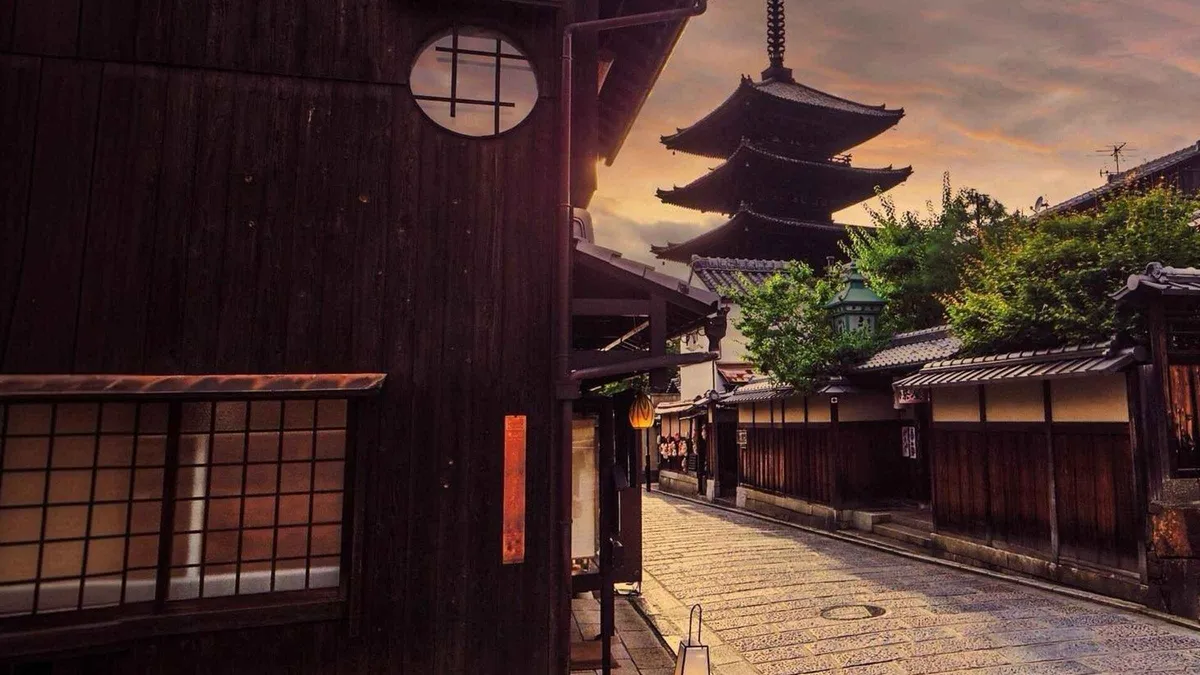
Kyoto: Gion Geisha District & Hidden Gems Walking Tour
Gion's most reviewed walk, and it starts at Shirakawa rather than the crowded lane. Two hours through Hanamikoji, Yasui Kompira-gu, Hokan-ji and Nene-no-Michi with a guide who explains what the ochaya actually are.
Check Availability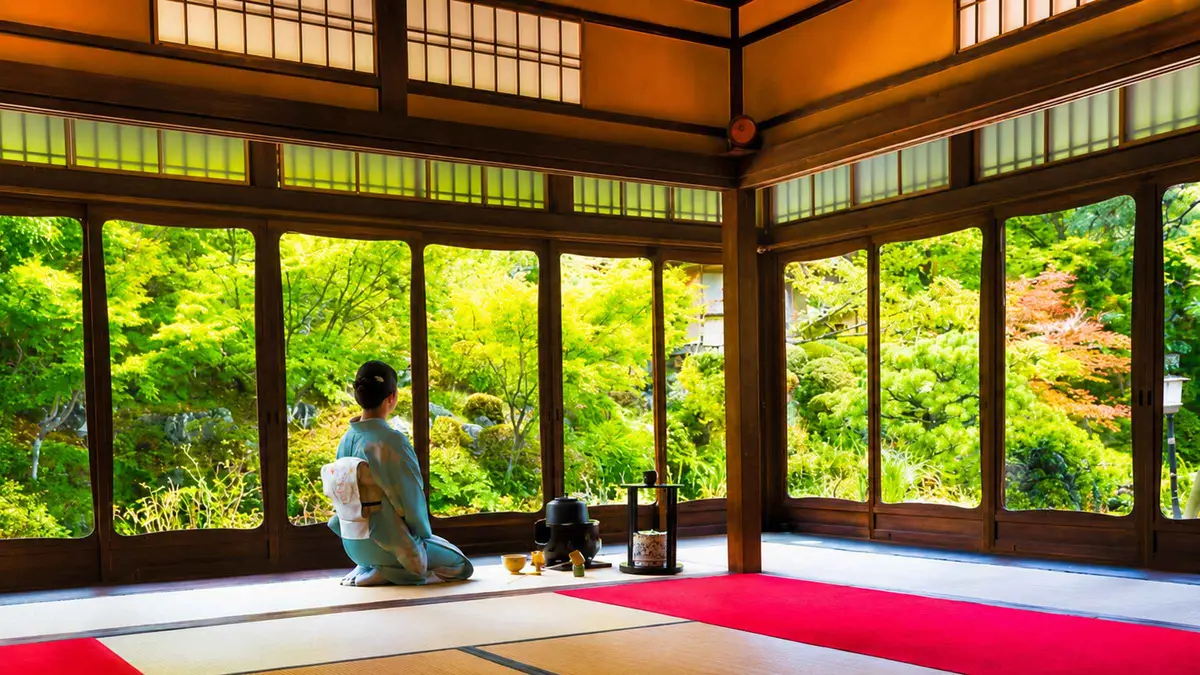 from $48.10
Kyoto: Tea Ceremony in a Garden Tea House near Kiyomizu-dera
Forty-five minutes in a garden tea house minutes from Kiyomizu-dera: two bowls of Uji matcha, one made for you and one you whisk yourself, with a wagashi. Small groups, and it books out in the blossom weeks.
Check Availability from $6.25
Kyoto: Gion Chopsticks Making Class with Engraving Option
Half an hour in a Gion workshop shaping your own pair of chopsticks from raw wood, with an engraving option. Under ten dollars, and the most-reviewed workshop in the city.
Check Availability from $74.96
From Kyoto: Nara History Guided Half-Day Bus Tour with Lunch
Half a day rather than a whole one: the Great Buddha Hall at Todai-ji with its entrance fee, Nara Park and Kasuga Taisha, with lunch and an English guide, back in Kyoto by mid-afternoon.
Check Availability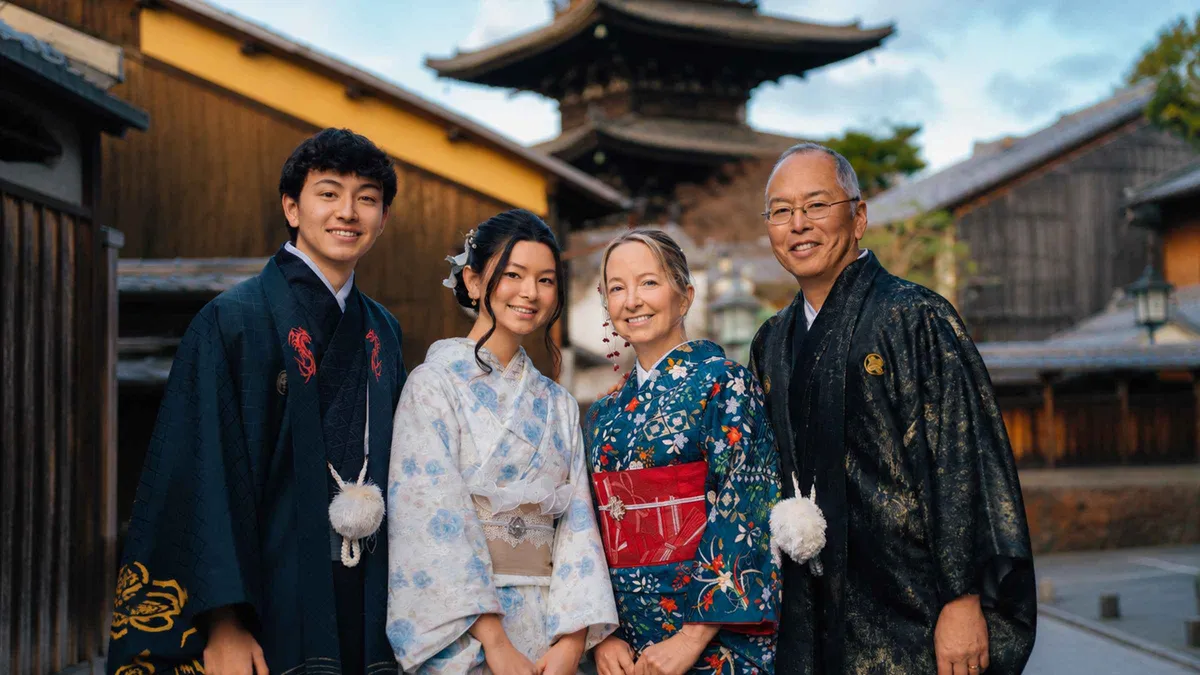 from $20.61
Kyoto: Kimono Rental with Hairstyling and Accessories
A full-day kimono rental until 17:00 with accessories and hairstyling, from a wide range of classic and modern designs. The practical version: dress at the shop, walk Higashiyama, return before closing.
Check Availability from $153.04
Kansai Intl. Airport KIX Private Transfer to/from Kyoto
A private car from Kansai Airport to a Kyoto address for one to nine people, with 90 minutes of free waiting on arrival. The alternative is the Haruka train and a taxi at the far end.
Check AvailabilityPrices, ratings and details are the platform's own. Dollar figures are the listed prices. The platform bills in your account's currency.
The local rules that actually matter
Four of them are posted by the places themselves, and breaking them is how a visitor becomes a problem.
- Gion's private lanes are closed to visitors, with notice boards posted by the residents' council. Obstructing a road carries a fine of up to $312 (¥50,000) under national law.
- Nishiki Market asks you not to eat while walking — buy, step aside, eat at the shop.
- Fushimi Inari prohibits eating outside its rest areas, drones, pets, wedding-dress shoots and photography that blocks a narrow path.
- Photography is banned inside Nijo Castle's Ninomaru Palace and Sanjusangen-do's hall — both enforce it.
- Bins are scarce and littering carries a fine of up to $187 (¥30,000) under city ordinance. Carry your rubbish; every convenience store has bins.
Money, connectivity and the small stuff
Five practical things that are different enough from Europe to be worth stating.
Cash still matters. Temple gates, small restaurants and the older market counters often take cash or an IC card only. Carry about $30 (¥5,000) a person a day. The exception is now real in the other direction too: the Gekkeikan Sake Museum has been cashless since 1 July 2026.
IC cards are the single best purchase on arrival — ICOCA, Suica and the rest are interchangeable, work on every line and bus, and are accepted in convenience stores.
Luggage. Kyoto Station has coin lockers that fill by 09:00 in high season, and the city's hotels will hold bags before check-in and after checkout. Same-day luggage forwarding between hotels is standard and cheap.
Connectivity. An eSIM bought before you land is simpler than a pocket wifi rental and about the same price; station and convenience-store wifi is free but slow.
The accommodation tax is charged per person per night at check-out and rises on 1 March 2026 — the bands are on the costs page.
Start here
The three pages most people need first.
Best time to visit Kyoto
Month by month against a 30-year ERA5 record: temperature, rainfall, crowds and what is on.
DatesGetting around Kyoto
The withdrawn bus pass, the two that replaced it, and the trains to Nara and Osaka.
TransportKyoto tickets
Every gate price on one table, and the very short list of things that need booking.
MoneyPlanning a Kyoto trip: the questions
How far in advance should you plan a Kyoto trip?
Accommodation is the only thing with real urgency: rooms in April and November are booked months ahead and the prices roughly double. The sights need no advance planning at all — almost everything is pay-at-the-gate on the day. What genuinely needs booking is a short list.
What should I know before visiting Kyoto?
Three things: the bus-only day pass no longer exists, the free sights are the crowded ones so the hour you go decides your day, and several districts have posted rules — Gion's private lanes, Nishiki's no-eating-while-walking request and Fushimi Inari's list among them.
What should I budget for a day in Kyoto?
Roughly $50–65 (¥8,000–10,400) a person a day for sightseeing, transport, lunch and a modest dinner, before the room. The sights themselves are the cheap part: a day of three paid temples, a transport pass and lunch comes to about $27.50 (¥4,400). The costs page works it through, including the accommodation tax that changes on 1 March 2026.
Do you need to speak Japanese in Kyoto?
No. Signage at the major sights, the stations and the subway is bilingual, and staff at ticket windows deal with foreign visitors constantly. Restaurants outside the tourist streets are where a translation app earns its keep — and where the food is better.
What is the biggest mistake visitors make in Kyoto?
Putting the eastern temples and Arashiyama on the same day. They are on opposite sides of the city, about fifty minutes apart by bus in the traffic of the hour everybody travels, and the crossing eats the afternoon. The itineraries are built to avoid exactly that.
Prices, hours and terms are set by the venue or operator and confirmed at checkout.
We may earn a commission if you book through one of our links, at no extra cost to you. Full affiliate disclosure