 Kyoto City Guide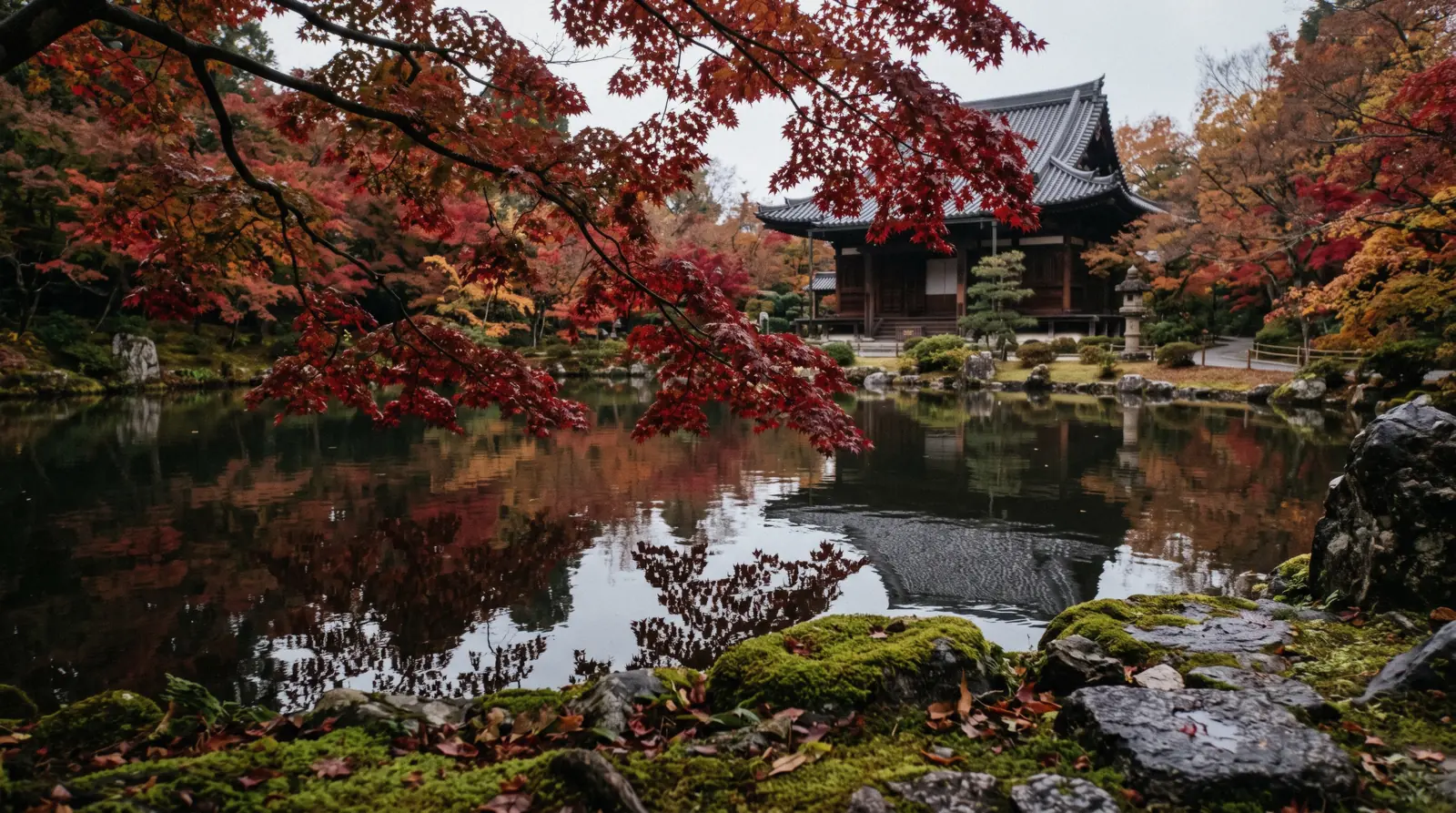
The Best Time to Visit Kyoto
The best time to visit Kyoto depends on whether you are optimising for weather, for spectacle or for having the place to yourself, and those three answers are different months. This page works from a thirty-year climate series computed for the city centre rather than from a brochure, sets the crowd calendar beside it, and names the fixed dates that move prices. The rest of the practical layer sits on the plan hub, and what to do in Kyoto covers the city as a whole.
Quick answer Best weather, best spectacle, fewest people — in four lines
On the numbers, May and October are the best months to visit Kyoto: average highs of 22.8 °C and 21.4 °C, moderate rain and the smallest crowds of the pleasant months. April and November are more beautiful and far busier. July is the wettest month at 245 mm across 17 rainy days, and August the hottest at 31.3 °C. Computed here from the Open-Meteo ERA5 reanalysis for the city centre, 1995–2024, on 30 August 2026.
Key takeaways
- Blossom is late March into early April and lasts about a week at peak; autumn colour runs mid-November to early December and is the busier of the two
- The rainy season, June into mid-July, is Kyoto's underrated month: the moss gardens are at their best and rooms are half the April price
- Kyoto sits in a basin, which is why August holds its heat past sunset and January holds cold air — the coast is milder in both directions
- Gion Matsuri fills all of July, with the two processions on Friday 17 and Friday 24 July 2026
Kyoto month by month
Average daily high temperature in Celsius with the Fahrenheit reading underneath, computed here from the Open-Meteo ERA5 reanalysis for 35.01 N, 135.77 E over 1 January 1995 to 31 December 2024, calculated on 30 August 2026. The bands are our reading of what those numbers mean for a visitor.
August is the hottest month at 31.3 °C but July is the wet one, with 245 mm across 17.2 rainy days against August's 155 mm over 13.6.
Every month, with what it actually gets you
Temperature and rainfall are our own computation from the ERA5 reanalysis for the city centre over 1995–2024, run on 30 August 2026; a rainy day is one with at least 1 mm. The crowd column is our reading of the calendar — Kyoto publishes no monthly visitor figure.
| Month | Avg high | Rain / rainy days | Crowds | What it is for |
|---|---|---|---|---|
| January | 7.6 °C (46 °F) | 63 mm / 7.9 | Lowest | Cheapest rooms; Toshiya archery at Sanjusangen-do; sake brewing begins |
| February | 8.8 °C (48 °F) | 71 mm / 8.7 | Low | Cold and clear; plum blossom at Kitano Tenmangu late in the month |
| March | 12.8 °C (55 °F) | 123 mm / 12.3 | Rising | Blossom builds from about the 25th; To-ji's night opening starts 14 March |
| April | 18.1 °C (65 °F) | 139 mm / 11.6 | Peak | Cherry blossom, and the first of the two crowd walls |
| May | 22.8 °C (73 °F) | 169 mm / 11.8 | Moderate | The best walking month on the numbers; green everywhere |
| June | 26.2 °C (79 °F) | 205 mm / 14.4 | Low | Rainy season; moss gardens at their peak; half-price rooms |
| July | 29.7 °C (85 °F) | 245 mm / 17.2 | High in town | Wettest month, and Gion Matsuri all month |
| August | 31.3 °C (88 °F) | 155 mm / 13.6 | Moderate | Hottest; Daimonji bonfires on the 16th; the basin holds heat at night |
| September | 27.2 °C (81 °F) | 183 mm / 13.2 | Moderate | Still hot, typhoon risk, prices dip before the autumn wall |
| October | 21.4 °C (71 °F) | 161 mm / 9.9 | Rising | Second-best walking month; Jidai Matsuri on the 22nd |
| November | 15.8 °C (60 °F) | 87 mm / 7.6 | Peak | Autumn colour — the busiest weeks of the Kyoto year |
| December | 10.0 °C (50 °F) | 64 mm / 7.4 | Falling | Colour lingers to about the 7th, then the city empties |
Read June and July carefully. They are wet in volume rather than in duration — the rain arrives in heavy bursts and clears — and the gardens are the reason to be here in the wet.
Cherry blossom, honestly
The two weeks everybody plans around, and the ways that planning goes wrong.
Kyoto's blossom generally opens in the last week of March and peaks in the first week of April, but the date moves by up to ten days year to year with the winter's temperature, and full bloom lasts about a week before rain or wind takes it. Nobody can book it more than a fortnight out with any confidence, which is why the sensible approach is to travel in the window and accept whatever stage you get — the week before full bloom, with the buds pink and the crowds thinner, is not a consolation prize.
Where to see it without standing in a queue: the Philosopher's Path at 06:30 rather than 10:00, the Kamo riverbanks, Kyoto Gyoen's early weeping cherries near the Imperial Palace, and Ninna-ji's Omuro cherries in the north-west, which bloom about a week after everything else has finished.
What to expect otherwise: room rates at roughly double, restaurant reservations gone, buses at a crawl, and the famous lanes at a shuffle from eight in the morning. Because the bloom keeps its own schedule, booking one of the Kyoto guided tours is an easy way to have a local steer you toward whichever stage of the blossoms is showing that week.
Autumn colour, which is busier
The maples turn from about the second week of November and hold into the first week of December, and this is the busiest period in Kyoto — busier than the blossom, because it lasts three weeks rather than one and because the weather is more reliable. Tofuku-ji's bridge over its maple valley is the extreme case, with entry queues; Eikan-do and Kodai-ji run evening illuminations, and To-ji lights its pagoda from 31 October to 13 December.
The northern edges — Kurama, Ohara, Takao — turn a week or two earlier than the city and are far less crowded.
The fixed dates in the Kyoto year
Six that move prices, crowds or what is open, with the 2026 dates where they are published.
Two of these have hard 2026 dates from the city's own event pages; the rest recur annually.
| When | What | Effect on a visit |
|---|---|---|
| Mid-January, a Sunday | Toshiya archery at Sanjusangen-do | One of the few genuinely photogenic winter events |
| 1–31 July 2026 | Gion Matsuri; processions Friday 17 and Friday 24 July | Central hotel prices roughly double for two weeks |
| 16 August | Daimonji Gozan Okuribi bonfires on five hillsides | Rooms with a view sell out; the city is full |
| 22 October | Jidai Matsuri procession | Central streets closed; a good day to be in the east |
| Mid-Nov to early Dec | Autumn colour and the evening illuminations | The busiest weeks of the year |
| 1 March 2026 | Accommodation tax rises | Rooms over ¥20,000 a night cost more per person per night |
What to book in each season
Indoor experiences carry a wet or hot month; the walks are what you want in May and October. Prices are the platform's listings in USD.
 from $48.10
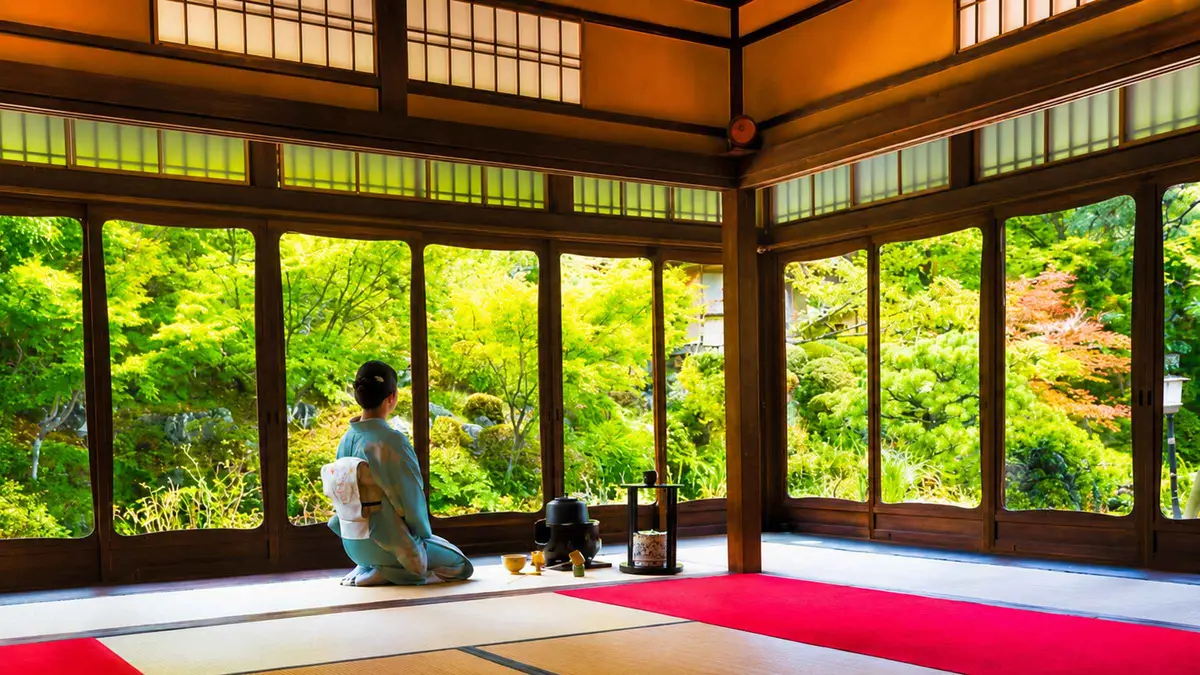
Kyoto: Tea Ceremony in a Garden Tea House near Kiyomizu-dera
Forty-five minutes in a garden tea house minutes from Kiyomizu-dera: two bowls of Uji matcha, one made for you and one you whisk yourself, with a wagashi. Small groups, and it books out in the blossom weeks.
Check Availability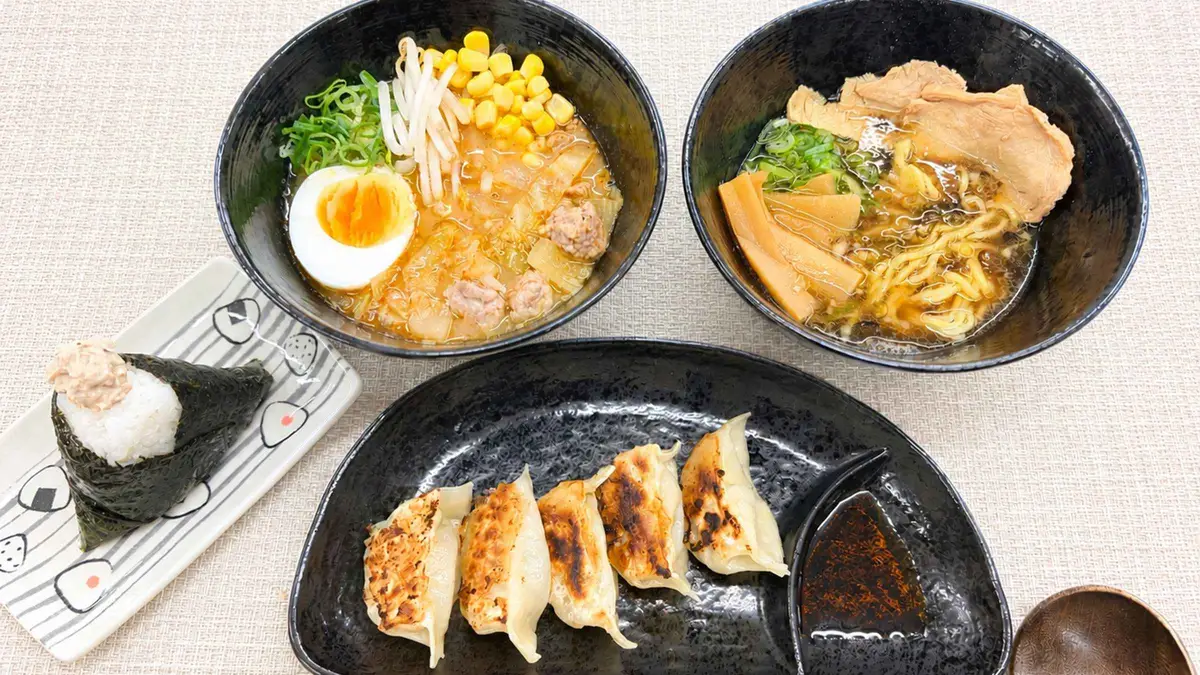 from $87.45
Kyoto: Ramen, Gyoza, and Onigiri Cooking Class
Ninety minutes making soy-sauce and miso ramen from scratch, plus gyoza folding and onigiri, then eating what you made. Ingredients, equipment and English instruction included.
Check Availability from $106.19
Kyoto: Arashiyama Bamboo Forest Morning Tour by Bike
A native English-speaking guide, a bicycle and a 08:00 start in the bamboo grove, which is the only hour it is quiet. Three and a half hours including the back streets of Arashiyama.
Check Availability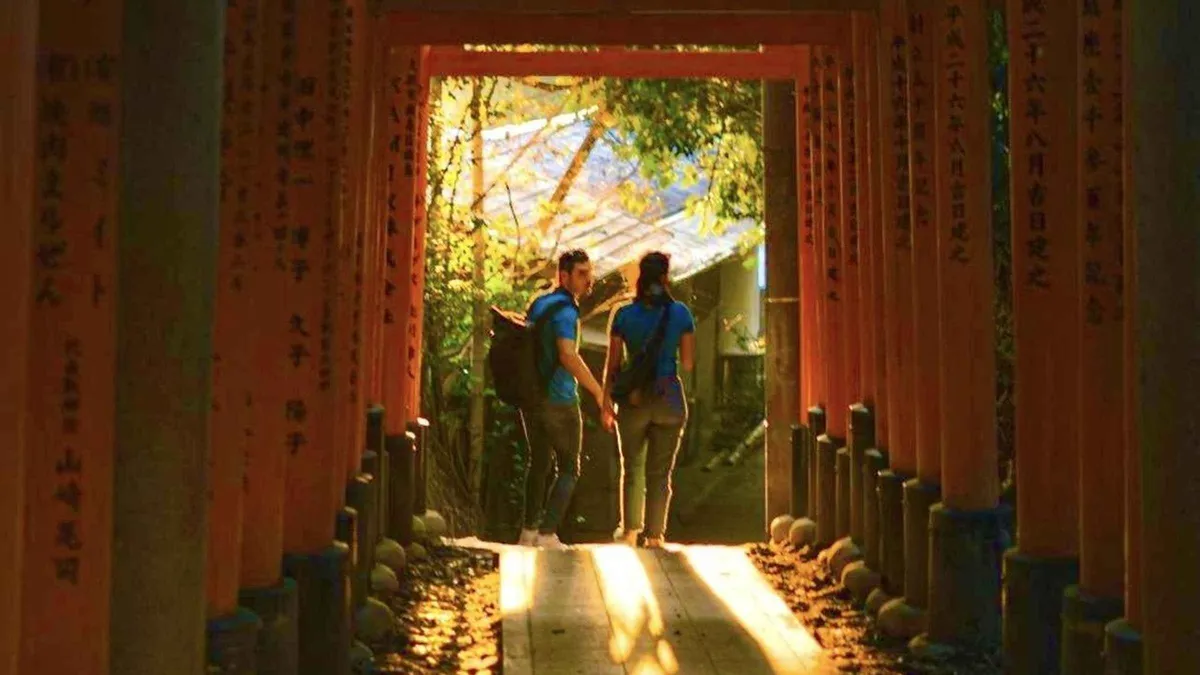 from $32.48
Kyoto Fushimi-Inari Night Walking Tour
Fushimi Inari after dark, when the torii are lit and the shrine is nearly empty. Two hours with an English-speaking guide, and the roughly ¥300 of train fare is included.
Check Availability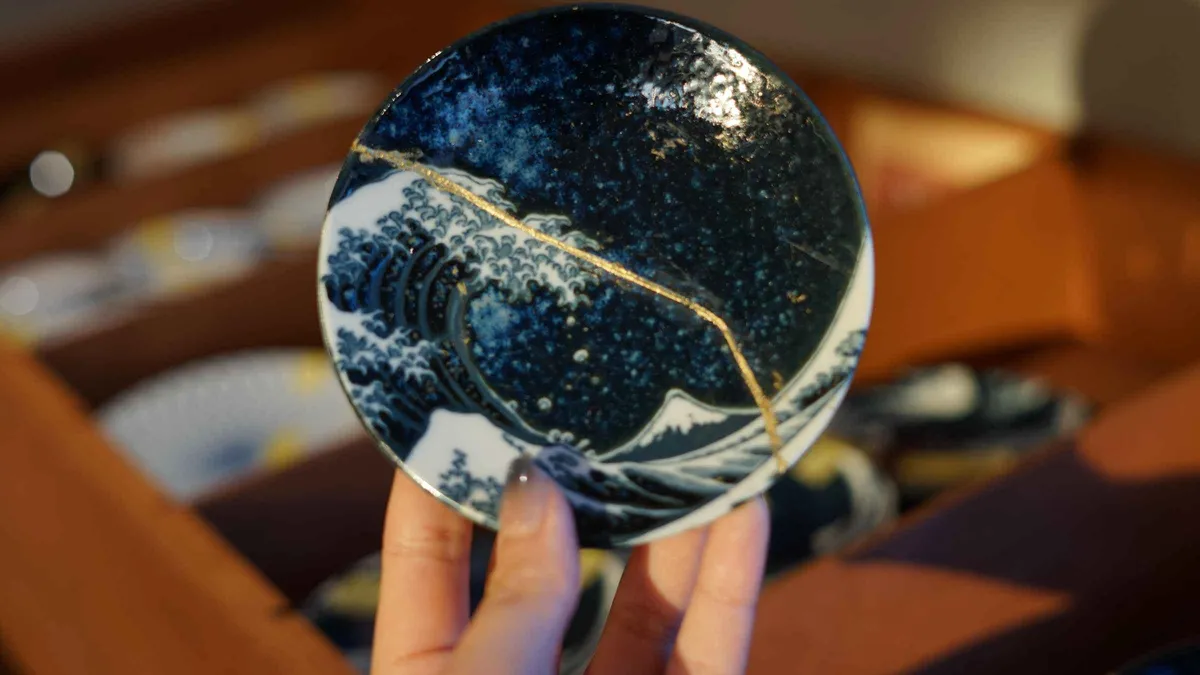 from $7.81
Kyoto: Kintsugi (Gold Repair) Workshop in Gion
Kintsugi in an hour: repair a ceramic plate with gold-dusted lacquer and take it home. Materials, tools and the plate are included.
Check Availability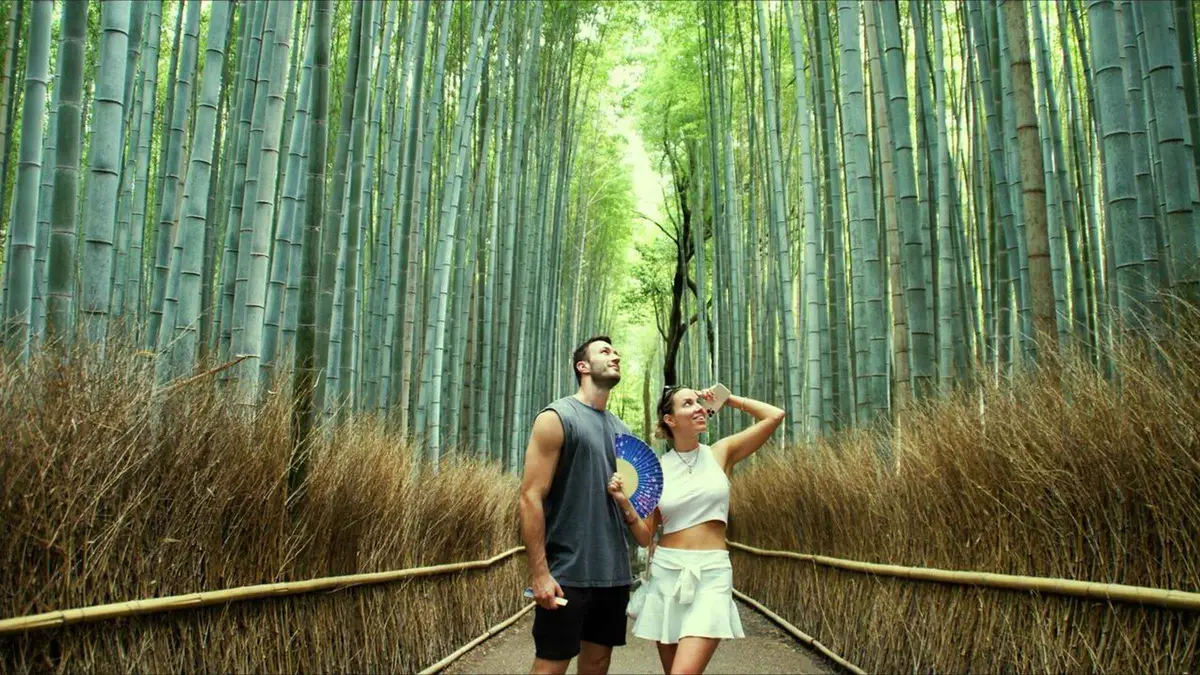 from $39.35
Kyoto: Arashiyama Bamboo, Matcha, Monkeys & Temple Tour
The four-hour Arashiyama circuit: bamboo, a temple, a matcha tasting and the monkeys. Shorter and cheaper than the full-day versions, and it still starts early enough to matter.
Check AvailabilityPrices, ratings and details are the platform's own. Dollar figures are the listed prices. The platform bills in your account's currency.
So which month?
Four answers, depending on what you are actually optimising for.
- Best overall: May. 22.8 °C average high, everything green, crowds well below April's, and the long daylight that makes an early start and a late evening both possible.
- Best value: June, or late January. Room rates at roughly half the peak. June gives you the moss gardens in rain; January gives you cold, clear light and empty lanes.
- Best spectacle: early April or the second half of November. Both are worth the crowds once. Neither is the trip to book if you dislike queues.
- Avoid if you can: mid-July to early September. 29.7 °C and 245 mm in July, 31.3 °C in August, and Kyoto's basin holds the heat well past sunset. The temples are the same; the walking between them is not.
Where to go next
Three pages that follow from the dates.
What Kyoto costs
Why June is half the price of April, and the accommodation tax bands that change on 1 March 2026.
The budgetWhere to stay in Kyoto
Four districts compared — and in the peak months the district matters less than booking early.
The roomKyoto in three days
The plan that fits the city and one day trip, built around opening hours rather than tickets.
The itineraryBest time to visit Kyoto: the questions
What is the best month to visit Kyoto?
May, on the numbers: an average high of 22.8 °C, long daylight and crowds well below April's. October is a close second at 21.4 °C. April and November are more beautiful and considerably busier. Figures computed here from the ERA5 reanalysis for 1995–2024.
When is cherry blossom season in Kyoto?
Usually the last week of March into the first week of April, with full bloom lasting about a week — but the date moves by up to ten days depending on the winter, and nobody can predict it far ahead. The honest version covers where to see it without queueing.
When are the autumn colours in Kyoto?
From about the second week of November into the first week of December. It is the busiest period of the Kyoto year — longer and more reliable than the blossom, with evening illuminations at several temples. The northern edges, such as Kurama, turn a week or two earlier and are much quieter.
Is the rainy season a bad time to visit Kyoto?
It is the most underrated month here. June averages 205 mm across 14 rainy days, but the rain arrives in bursts rather than all day, the moss gardens are at their peak, rooms cost about half the April rate and the lanes are empty. Bring a light umbrella and go.
How hot does Kyoto get in summer?
August averages a daily high of 31.3 °C and the city sits in a basin, so the heat holds well past sunset — considerably more oppressive than the number suggests. July is barely cooler at 29.7 °C and much wetter, with 245 mm over 17 rainy days. Start at dawn or stay indoors between noon and four.
When is Kyoto least crowded?
Late January and February, then June. The city never truly empties, but those are the months when the famous lanes are walkable at midday and rooms are at their cheapest. December after about the 8th, once the autumn colour has gone, is a good third option.
Kyoto through the year, on film
Three videos we checked ourselves — each id verified against YouTube's own oEmbed record and its thumbnail on 30 August 2026, so none of these is a dead player. They load only when you press play.
38 Tips I Wish I Knew Before Visiting Kyoto, Japan
A guided run through what to see and in what order.
Video: Camden DavidKYOTO TRAVEL TIPS FOR FIRST TIMERS | 20+ Must-Knows Before Visiting Kyoto + What NOT to Do!
A guided run through what to see and in what order.
Video: Happy to Wander (Travel Tips & Inspo)Best Time to Visit Japan: When Should You Go?
Filmed on site, at the pace a visitor would move.
Video: Yellow ProductionsVideos load from YouTube only when you press play.
Prices, hours and terms are set by the venue or operator and confirmed at checkout.
We may earn a commission if you book through one of our links, at no extra cost to you. Full affiliate disclosure